

Working Principle and Characteristics of Wood Chip Material Pneumatic Conveying
Pneumatic conveying of wood chips relies on the fundamental principle of transporting bulk materials through a pipeline using air as the motive force. This method involves a closed system where wood chips are introduced into a conveying line, typically via a feed hopper or rotary valve, and then propelled by air moving at high velocity. The process can be categorized into two main types: positive pressure and negative pressure systems. In a positive pressure system, a blower or compressor generates compressed air that is introduced at the material inlet, creating a pressure higher than the ambient environment. This pressure differential forces the wood chips to move through the pipeline. Conversely, a negative pressure system operates by creating a vacuum at the receiving end, drawing air and material from the source. The choice between these systems is determined by factors such as the distance of transport, the volume of material to be conveyed, and the need to control dust emissions or prevent material degradation. For example, long-distance or high-volume applications often favor positive pressure systems due to their ability to maintain consistent pressure and reduce energy losses, while negative pressure systems are preferred for short-distance transport or when dust control is a priority.
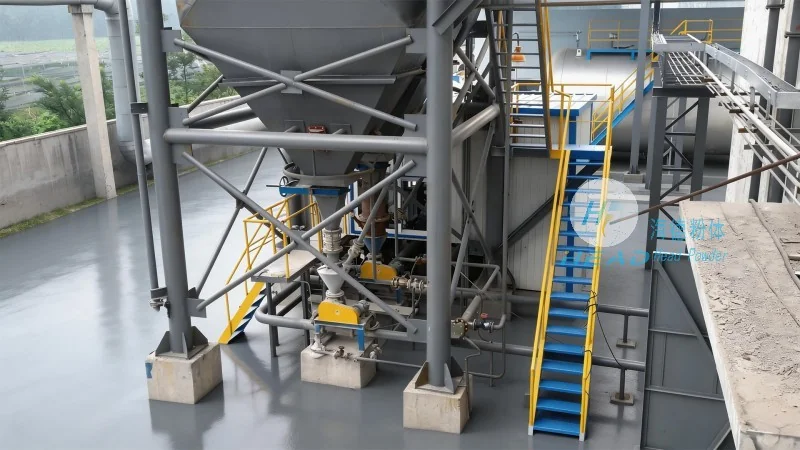
Key Characteristics of Wood Chip Pneumatic Conveying Systems
Wood chip pneumatic conveying systems possess several distinct characteristics that set them apart from other material handling methods. One of the most notable features is the ability to handle abrasive or delicate materials without causing damage, as the material is enclosed within the pipeline and transported by air rather than mechanical contact. This reduces wear on equipment components such as pipes, valves, and filters, extending the system's operational lifespan. Another significant characteristic is the flexibility in system design, allowing for vertical, horizontal, or combined (inclined) transport routes. This adaptability is crucial for integrating the conveying system with existing production lines or storage facilities, enabling seamless material flow from raw material storage to processing equipment. Additionally, these systems are generally compact and can be installed in confined spaces, which is beneficial for facilities with limited floor area or in retrofitting existing plants. However, they may require higher energy consumption compared to other conveying methods, as the air pressure and flow rates need to be maintained to ensure efficient material transport. The energy efficiency of the system can be optimized through proper design, including the use of energy-efficient blowers and the minimization of pressure losses in the pipeline.
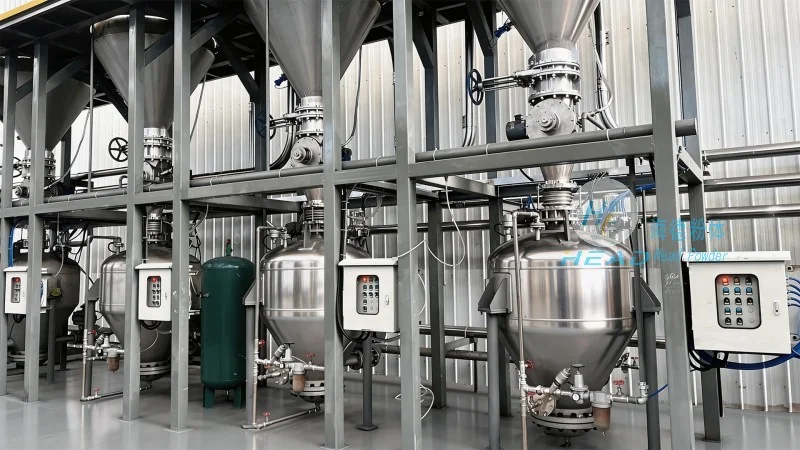
Application-Specific Features and Benefits
For wood chip processing facilities, the design of pneumatic conveying systems often incorporates features tailored to the unique properties of wood chips. For instance, the use of flexible hoses or rigid pipes with smooth interiors minimizes the risk of material blockages or abrasion. The system may also include filtration and dust collection components to comply with environmental regulations and maintain air quality in the processing area. In terms of operational benefits, pneumatic conveying can enhance production efficiency by enabling continuous material flow from raw material storage to processing equipment, reducing downtime associated with manual handling or mechanical conveyor systems. Furthermore, the enclosed nature of the system helps in controlling dust and preventing contamination, which is critical for maintaining product quality and ensuring workplace safety. Many wood chip processing plants, such as those involved in biomass energy production or furniture manufacturing, benefit from the consistent and reliable material transport provided by pneumatic systems, leading to improved overall productivity.
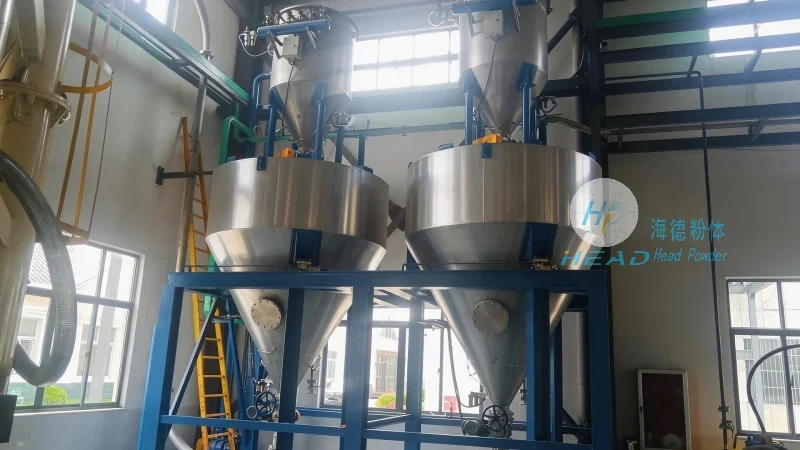
Technical Considerations for Optimal Performance
Ensuring the optimal performance of wood chip pneumatic conveying systems involves several technical considerations that engineers must address. The selection of the appropriate air velocity is critical; too low a velocity may cause material settling or blockages, while too high a velocity can lead to excessive energy consumption and increased wear on components. Engineers typically calculate the required air velocity based on the material's density, particle size, and the system's pressure drop. The system's pressure drop, which is the difference in pressure between the inlet and outlet of the conveying line, is another key factor. Proper sizing of the pipeline diameter and the use of appropriate fittings are essential to minimize pressure losses and maintain efficient material transport. For example, a larger diameter pipeline reduces friction losses, allowing for lower air velocity and energy consumption. The inclusion of check valves or flow control devices helps regulate the material flow and prevent backflow, ensuring smooth operation under varying load conditions. Additionally, the use of airlocks or rotary valves at the material inlet and outlet prevents the escape of air and the entry of contaminants, maintaining the integrity of the conveying process. Regular maintenance, such as cleaning filters and inspecting pipeline components, is also crucial to prevent system downtime and ensure long-term performance.