

Working Principle and Characteristics of Pneumatic Conveying for Soda Ash Materials
HeadPowder, a leading engineering company based in Shandong, China, specializes in advanced material handling solutions. This article explores the working principle and key characteristics of pneumatic conveying systems designed for transporting soda ash (sodium sulphate) materials, a critical component in various industrial applications.
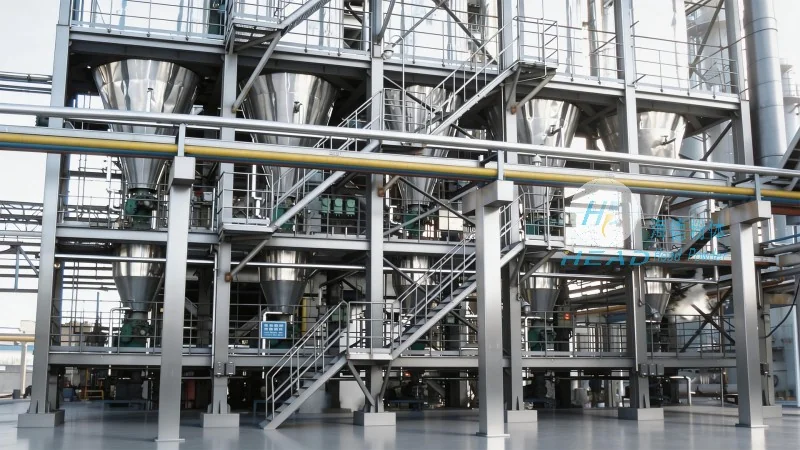
Understanding Pneumatic Conveying Systems
Pneumatic conveying is a method of transporting bulk materials through a pipeline using air or other gas as the conveying medium. The system typically consists of a hopper to store the material, a conveyor line (often with multiple sections), and a receiver to collect the material at the destination. For soda ash, which is often in powder or granular form, this technology offers efficient and flexible material transport without the need for mechanical components like belts or buckets.
The Working Principle of Soda Ash Pneumatic Conveying
The core mechanism of pneumatic conveying for soda ash involves creating a pressure differential within the system. In a positive pressure system, air is blown into the conveyor line, pushing the soda ash particles forward. The material is suspended in the air stream, allowing it to travel through the pipeline. Conversely, in a negative pressure (or vacuum) system, air is drawn out of the line, creating a vacuum that pulls the material from the source to the receiver. Both systems are designed to handle the specific properties of soda ash, such as its fine particle size and potential for dust generation, ensuring reliable and consistent transport.
Key Characteristics of Pneumatic Conveying for Soda Ash
Several distinct characteristics make pneumatic conveying an ideal solution for soda ash transportation:
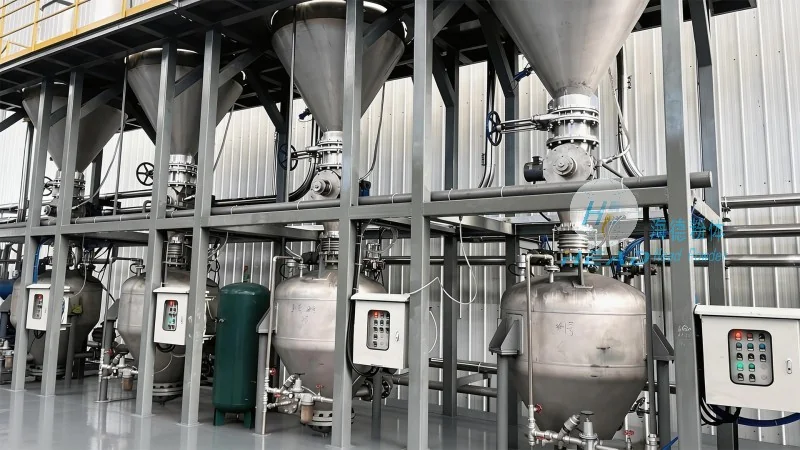
1. Flexibility and Versatility: Pneumatic systems can be configured to handle varying material flow rates and distances, from short-distance transfers to long-distance pipelines. They can also be adapted to transport other materials alongside soda ash, though careful system design is required to prevent cross-contamination.
2. Low Maintenance and Reduced Downtime: Unlike mechanical conveyors, which rely on moving parts that may wear out or require frequent maintenance, pneumatic systems have fewer components exposed to the material. This results in lower maintenance costs and longer operational lifespans, minimizing downtime for industrial operations.
3. Cleanliness and Hygiene: The enclosed pipeline design of pneumatic conveying prevents dust and material from escaping into the environment, making it suitable for applications where product purity and environmental compliance are critical. This is particularly important for soda ash, which is used in food, pharmaceutical, and chemical industries where contamination must be avoided.
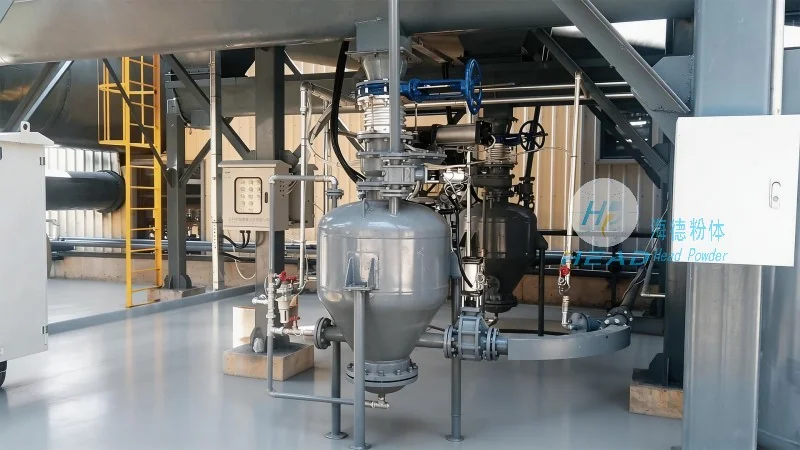
4. Energy Efficiency: Modern pneumatic conveying systems are engineered to optimize air usage, reducing energy consumption compared to traditional methods. By using variable speed drives and efficient air compressors, companies can achieve significant cost savings while maintaining high material throughput.
Application-Specific Considerations for Soda Ash Conveying
When implementing pneumatic conveying for soda ash, several factors must be considered to ensure optimal performance:
First, the particle size and moisture content of the soda ash are critical. Fine powders require higher air velocities to maintain suspension, while higher moisture content may lead to caking or blockages in the pipeline. HeadPowder’s engineering expertise helps in selecting the appropriate system configuration, such as using a combination of positive and negative pressure zones to handle these variations effectively.
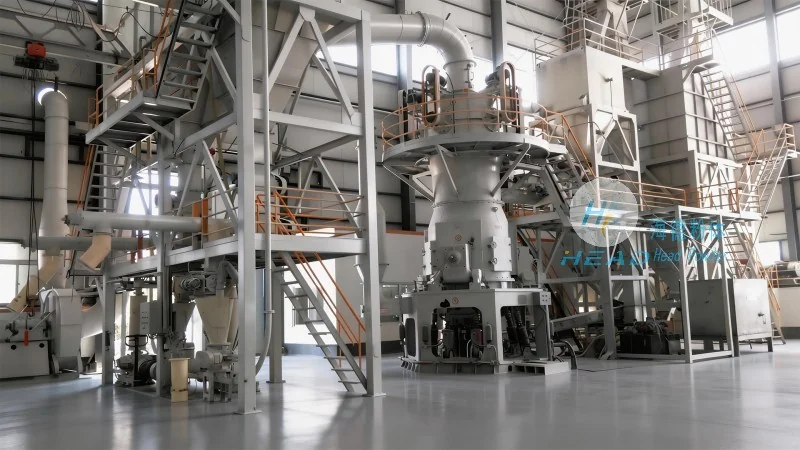
Second, the system must be designed to handle the potential for dust explosion risks. Proper explosion-proofing measures, including spark detection and suppression systems, are essential to ensure safety in industrial settings. HeadPowder incorporates these safety features into their designs to meet stringent industry standards.
Third, the material’s flow properties, such as its angle of repose and bulk density, influence the system’s design. For example, a higher bulk density may require larger pipeline diameters or higher air pressure to maintain flow. HeadPowder conducts thorough material testing and system simulations to tailor the conveying system to the specific characteristics of the soda ash being transported.
Conclusion
Pneumatic conveying offers a robust and efficient solution for transporting soda ash materials, combining flexibility, low maintenance, and environmental benefits. As a trusted provider of material handling solutions, HeadPowder leverages advanced engineering and technology to design customized pneumatic systems that meet the unique needs of industrial clients. By understanding the working principles and key characteristics of these systems, businesses can enhance operational efficiency and ensure reliable material transport for their soda ash applications.