MoO3 powder pneumatic conveying is a key technology in material handling, particularly for handling molybdenum trioxide, a critical compound in various industrial applications. This method involves transporting fine powders like MoO3 through a pipeline using compressed air or other gas streams. Understanding its working principle and key characteristics is essential for optimizing material transport in industrial settings.
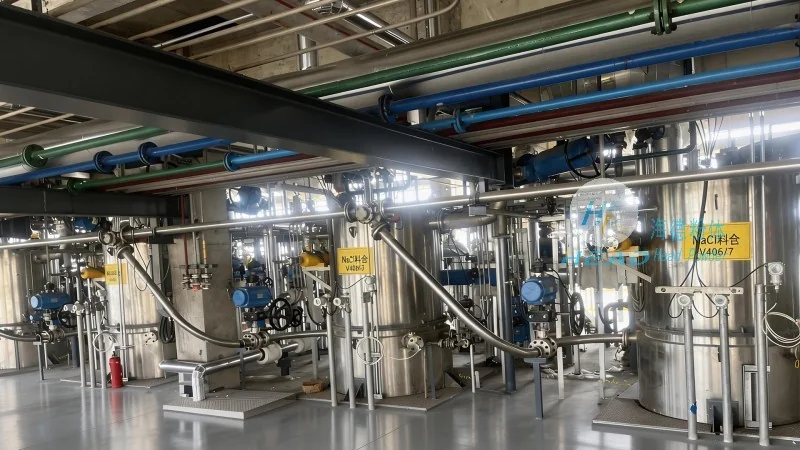
Working Principle of MoO3 Powder Pneumatic Conveying
The working principle of MoO3 powder pneumatic conveying relies on the interaction between the powder particles and the conveying gas. The process typically begins with a feeding device that introduces the MoO3 powder into the conveying line. A fan or blower then generates the necessary airflow, creating a pressure difference that propels the powder particles through the pipeline. The conveying system includes components such as a hopper, a rotary valve, a pipeline network, a dust separator, and a collection tank. The airflow carries the MoO3 particles from the source to the destination, where the powder is separated from the gas and collected. The separation process often involves cyclones or bag filters, ensuring that the MoO3 powder is recovered efficiently while the gas is discharged or recirculated. This closed-loop system minimizes material loss and maintains environmental compliance.
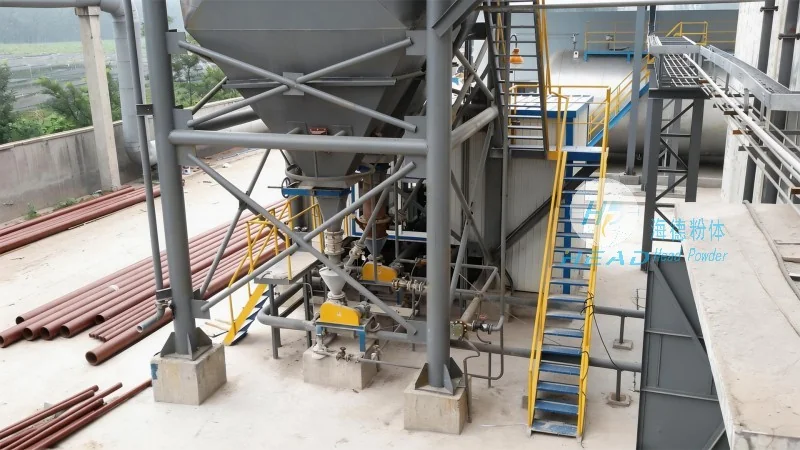
Key Characteristics of MoO3 Powder Pneumatic Conveying
MoO3 powder pneumatic conveying exhibits several distinct characteristics that make it suitable for industrial applications. One of the primary advantages is its ability to handle fine and abrasive powders without causing excessive wear on equipment. The system is also highly flexible, allowing for changes in conveying distance or volume by adjusting the airflow rate. Additionally, pneumatic conveying is relatively compact compared to traditional methods like bucket elevators or belt conveyors, saving space in industrial facilities. From an operational perspective, it offers continuous and automated material transport, reducing labor costs and improving process consistency. The technology also provides good dust control, as the entire system is enclosed, preventing airborne contamination and enhancing workplace safety. Another notable characteristic is its adaptability to different MoO3 powder properties, including varying particle sizes and moisture content, by tuning the conveying parameters. This flexibility ensures reliable performance across diverse industrial scenarios.
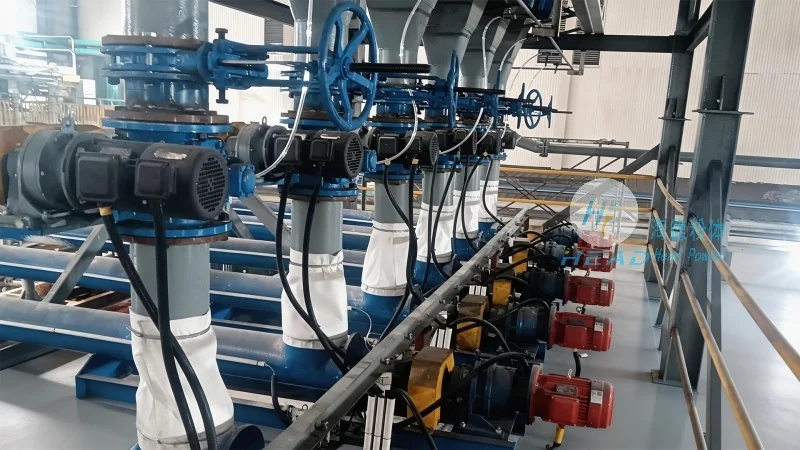
Application and Industry Relevance
MoO3 powder pneumatic conveying is widely used in industries that rely on molybdenum trioxide, such as the chemical, metallurgical, and aerospace sectors. In chemical manufacturing, it facilitates the transport of MoO3 from reactors to storage tanks or processing units, ensuring smooth production workflows. The metallurgical industry utilizes this method for handling MoO3 in smelting and refining processes, where precise material transport is critical for quality control. The aerospace sector also benefits from this technology, as MoO3 is used in high-performance materials, and efficient conveying ensures consistent material quality for aerospace components. By leveraging pneumatic conveying, these industries can enhance productivity, reduce downtime, and maintain high standards of material purity and safety.
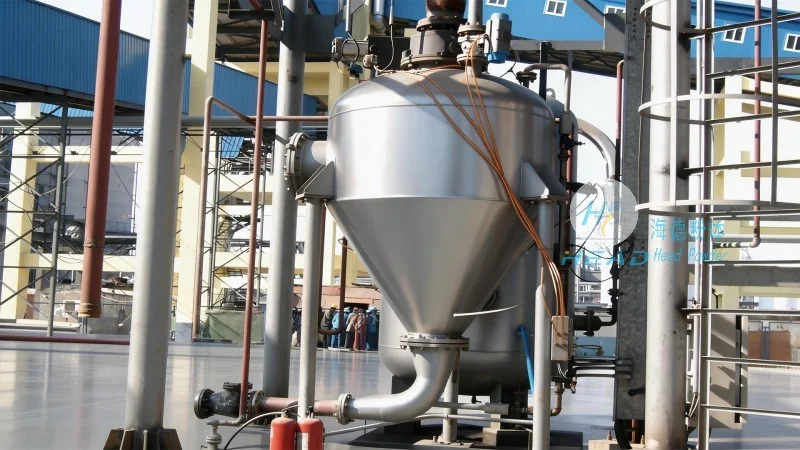
Company Introduction: HeadPowder
HeadPowder, or Shandong HeadPowder Engineering Co., Ltd., is a leading provider of specialized material handling solutions, including advanced pneumatic conveying systems for MoO3 powder. With operations based in Shandong, China, the company has established itself as a trusted partner for industries requiring reliable and efficient material transport. HeadPowder’s expertise lies in designing and implementing customized pneumatic conveying systems tailored to the unique needs of clients, ensuring optimal performance and durability. The company’s commitment to quality and innovation has positioned it as a key player in the material handling industry, delivering solutions that meet the highest standards of efficiency and safety. By combining technical knowledge with practical experience, HeadPowder supports clients in optimizing their material transport processes, enhancing operational efficiency, and achieving long-term success in their respective fields.




