

Working Principle and Characteristics of Pneumatic Conveying for Artificial Graphite Powder
Artificial graphite powder is widely used in various industrial applications due to its excellent electrical conductivity, thermal stability, and chemical resistance. Efficient and reliable material handling is crucial for optimizing production processes, and pneumatic conveying has emerged as a preferred method for transporting artificial graphite powder. This article explores the working principle and key characteristics of pneumatic conveying systems specifically designed for artificial graphite powder, highlighting the technical aspects and operational advantages.
Working Principle of Pneumatic Conveying for Artificial Graphite Powder
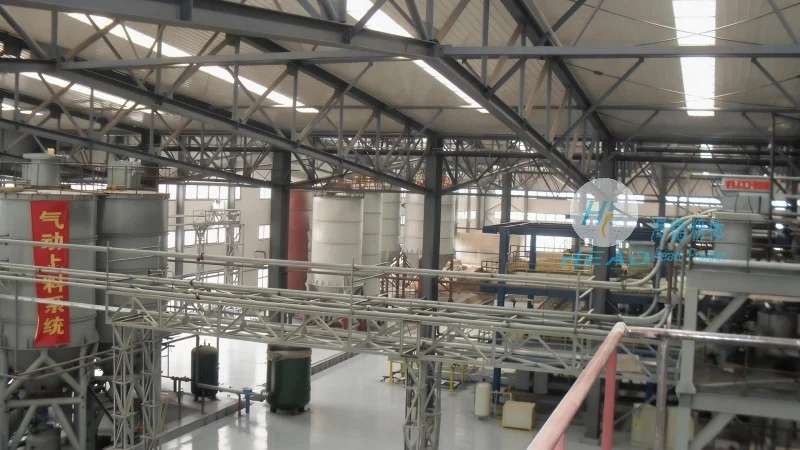
The core working principle of pneumatic conveying involves the use of a gas stream (typically air) to transport solid particles through a pipeline. In the case of artificial graphite powder, the system operates by creating a pressure differential that propels the powder from the source to the destination. There are two main types of pneumatic conveying systems: dilute-phase and dense-phase. Dilute-phase systems rely on high-velocity air to suspend the powder particles, allowing them to travel through the pipeline with minimal pressure drop. Dense-phase systems, on the other hand, use lower air velocities and higher pressure to push the powder in a more compact form, reducing the risk of particle degradation and system blockages.
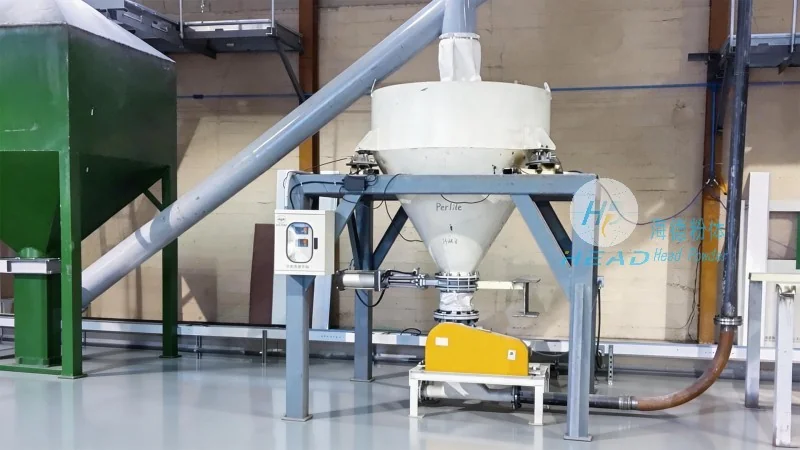
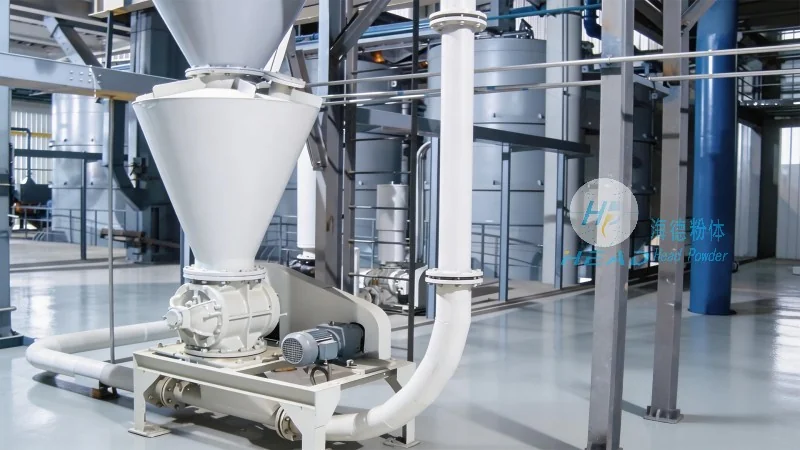
For artificial graphite powder, which is often fine and abrasive, the choice of system type depends on the specific application requirements. Dilute-phase systems are suitable for long-distance transport and high throughput, while dense-phase systems are preferred for handling sensitive materials or when minimizing particle attrition is critical. The system typically consists of a feeding device, a conveying line, a separation unit, and a collection tank. The feeding device, such as a rotary valve or a venturi feeder, introduces the artificial graphite powder into the pipeline. The conveying line transports the powder, and the separation unit (e.g., cyclone or bag filter) separates the powder from the air stream. Finally, the collected powder is discharged into a storage or processing container.
Key Characteristics of Pneumatic Conveying for Artificial Graphite Powder
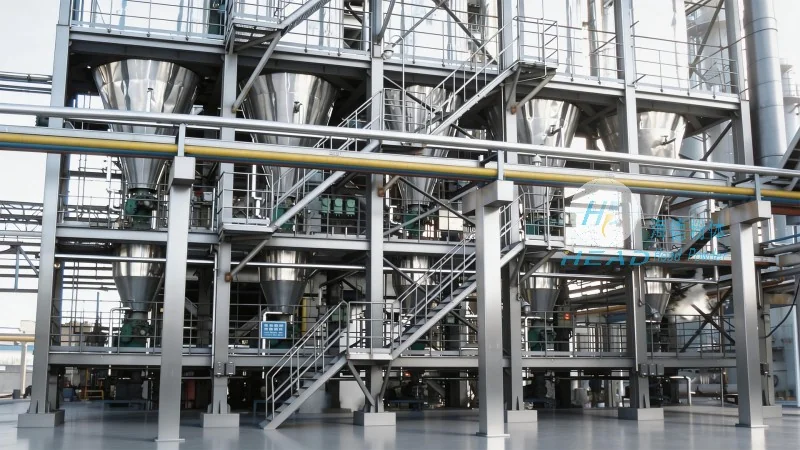
Several key characteristics define the performance and suitability of pneumatic conveying systems for artificial graphite powder. First, the system's ability to handle fine particles without clogging is essential. Artificial graphite powder often has a particle size distribution that can lead to blockages in traditional conveying methods, but pneumatic systems are designed to maintain a consistent flow by using appropriate air velocities and pressure. Second, the system's efficiency in terms of energy consumption and material recovery is important. Modern pneumatic conveying systems are optimized to minimize energy use while maximizing the recovery of the conveyed material, which is crucial for cost-effective operations.
Third, the system's impact on particle properties, such as size, shape, and surface area, is a critical consideration. Pneumatic conveying can cause particle attrition, which may affect the performance of the artificial graphite powder in downstream applications. Therefore, the design of the system, including the choice of materials for the pipeline and components, is vital to minimize mechanical stress on the particles. Additionally, the system's ability to handle varying particle loads and flow rates is important for maintaining stable operation under different production conditions.
Operational Advantages of Pneumatic Conveying for Artificial Graphite Powder
Pneumatic conveying offers several operational advantages that make it an attractive option for artificial graphite powder handling. One of the primary advantages is the ability to transport the material in a closed system, which helps maintain product purity and prevents contamination from external sources. This is particularly important for artificial graphite powder, which is often used in high-purity applications such as battery electrodes or lubricants. The closed system also reduces dust emissions, improving workplace safety and compliance with environmental regulations.
Another advantage is the flexibility of the system. Pneumatic conveying systems can be easily integrated into existing production lines or expanded to accommodate increased production capacity. The modular design allows for customization based on the specific needs of the artificial graphite powder application, whether it involves short-distance transport within a facility or long-distance transport between different locations.
Furthermore, the system's reliability and low maintenance requirements contribute to its overall efficiency. Unlike mechanical conveying systems, which may require frequent maintenance due to wear and tear, pneumatic systems have fewer moving parts and are less prone to mechanical failures. This results in lower downtime and reduced maintenance costs, making the system a cost-effective solution for artificial graphite powder handling.
Conclusion
In conclusion, pneumatic conveying is a highly effective method for transporting artificial graphite powder, offering a combination of efficiency, reliability, and flexibility. The working principle, which relies on the use of a gas stream to move solid particles, is well-suited to the properties of artificial graphite powder, allowing for safe and efficient material handling. The key characteristics of the system, including its ability to handle fine particles, maintain product purity, and minimize particle degradation, make it an ideal choice for various industrial applications. As the demand for artificial graphite powder continues to grow, the adoption of advanced pneumatic conveying systems will play a crucial role in optimizing production processes and ensuring the quality of the final product.
Shandong HeadPowder Engineering Co., Ltd., a leading manufacturer of material handling solutions, specializes in providing customized pneumatic conveying systems tailored to the unique requirements of artificial graphite powder applications. With a focus on innovation and quality, the company ensures that its systems meet the highest standards of performance and reliability, helping clients achieve optimal operational efficiency and product quality.