

Working Principle and Characteristics of Cement Fly Ash Powder Pneumatic Conveying
HeadPowder, a leading enterprise in the field of powder material handling, specializes in the design, manufacturing, and installation of pneumatic conveying systems for cement and fly ash. Based in Shandong, China, the company leverages advanced technology to provide efficient solutions for the transportation of bulk powders like cement and fly ash, which are critical components in construction and industrial applications.
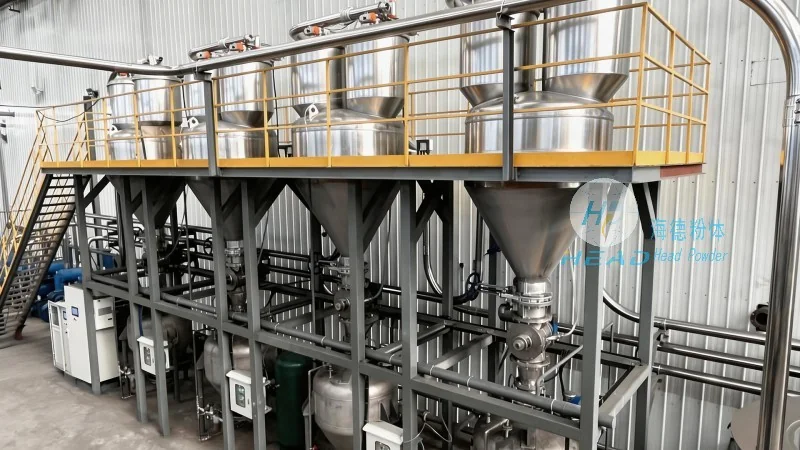
Working Principle of Cement and Fly Ash Powder Pneumatic Conveying
The pneumatic conveying system for cement and fly ash operates on the principle of transporting bulk powders through a pipeline using a gas stream, typically air or a mixture of air and other gases. In this system, the powder material is fed into a hopper or feeder, where it is then introduced into the conveying line. A fan or blower generates the necessary air pressure to create a flow of air within the pipeline. As the air moves through the line, it entrains the powder particles, carrying them from the source to the destination. The system can be either positive pressure (where air is pushed through the line) or negative pressure (where air is drawn out, creating a vacuum). The choice of system depends on factors such as the material characteristics, distance, and required flow rate. For cement and fly ash, which are fine powders with varying particle sizes, a positive pressure system is often preferred as it offers better control over the flow and reduces the risk of material degradation or clogging.
Key Characteristics of the Pneumatic Conveying System
1. **High Efficiency and Reliability**: The system provides a continuous and reliable method for transporting large volumes of cement and fly ash, minimizing downtime and ensuring consistent material flow. The enclosed pipeline design prevents dust contamination and environmental pollution, making it suitable for industrial and construction sites where dust control is essential.
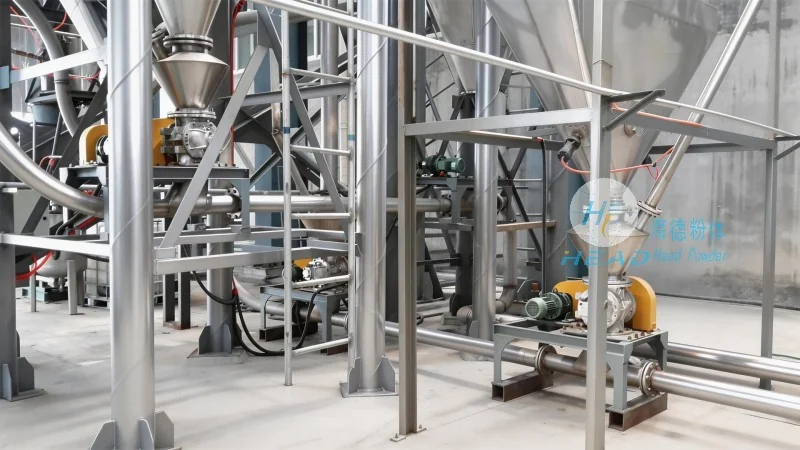
2. **Versatility in Material Handling**: The pneumatic conveying system is adaptable to various types of powders, including cement, fly ash, and other fine materials. It can handle different particle sizes and moisture contents, making it a versatile solution for diverse industrial applications. The system can be customized to accommodate different flow rates and distances, from short-distance transfers to long-distance transport over several kilometers.
3. **Energy Efficiency**: Compared to traditional methods like bucket elevators or belt conveyors, pneumatic conveying systems are more energy-efficient, especially for long-distance transport. The use of air as the conveying medium reduces the need for mechanical components like belts or chains, which can wear out over time and require frequent maintenance. This results in lower operational costs and longer system lifespan.
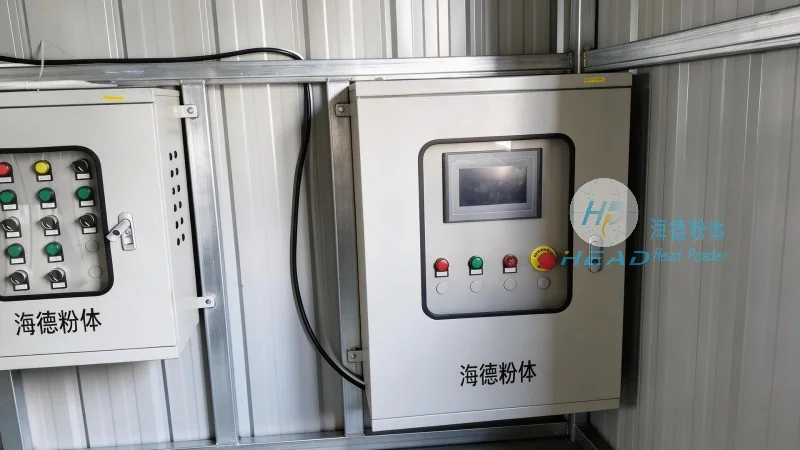
4. **Environmental Benefits**: By enclosing the material in a pipeline, the system effectively controls dust emissions, which is crucial for maintaining air quality and complying with environmental regulations. The absence of open conveyor systems reduces the risk of dust exposure to workers and the surrounding environment, contributing to a safer and more sustainable operation.
5. **Space-Saving Design**: Pneumatic conveying systems are compact and can be installed in confined spaces, making them ideal for facilities with limited floor area. The pipeline layout can be designed to follow the existing structure of the plant, minimizing the need for additional construction or modifications.