Understanding the working principle and features of nanopowder material conveying lines is crucial for industries that handle fine powders, as these systems are designed to ensure efficient, safe, and reliable transport of materials at the nanoscale. This article provides an in-depth look at how such systems operate and the key characteristics that make them effective for various applications.
Introduction to Nanopowder Material Conveying Lines
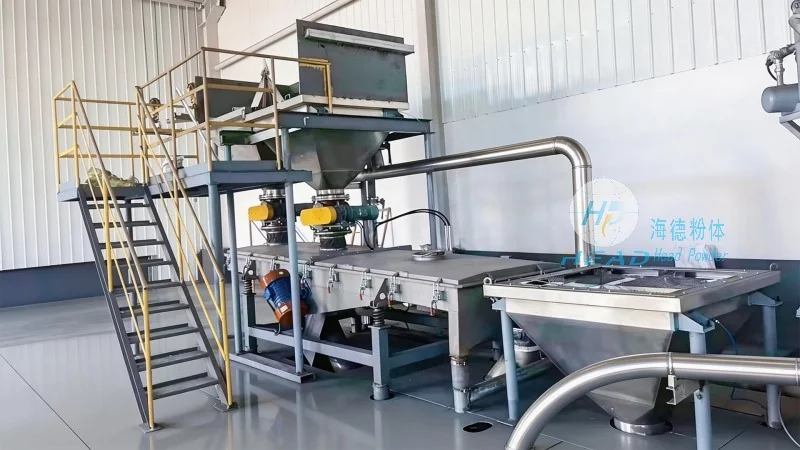
Nanopowder material conveying lines are specialized equipment used to transport fine powders, typically with particle sizes ranging from a few nanometers to several micrometers. These materials are often used in industries such as pharmaceuticals, electronics, and cosmetics, where precision and consistency are paramount. The conveying lines are engineered to handle the unique challenges associated with nanopowders, including their tendency to agglomerate, static electricity, and low bulk density. Developed by Shandong HeadPowder Engineering Co., Ltd. (headpowder), a leading manufacturer in advanced material handling solutions, these systems are designed to ensure efficient, safe, and reliable transport of nanoscale materials.
Working Principle of Nanopowder Material Conveying Lines
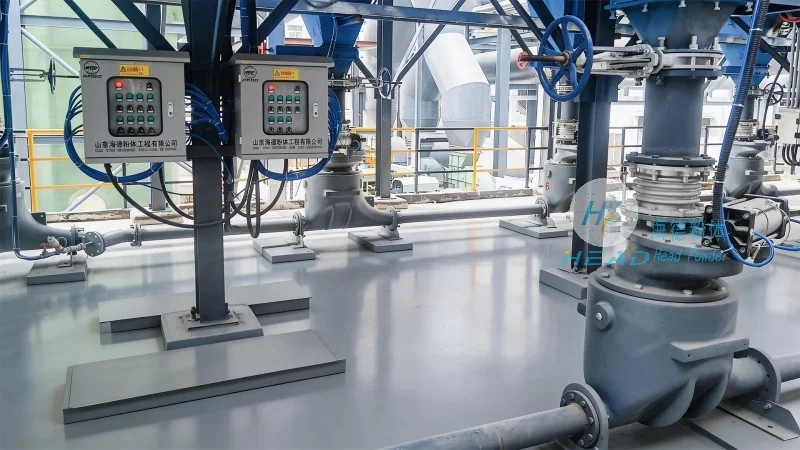
The core working principle of nanopowder material conveying lines involves the use of air or mechanical forces to move the powder through a system of pipes, hoppers, and control valves. The most common method is pneumatic conveying, which uses compressed air to create a flow that carries the powder particles. This approach is particularly effective for fine powders as it minimizes particle degradation and maintains product integrity. The system typically includes a hopper for material storage, a feeder to control the flow rate, a conveying line with appropriate ductwork, and a receiver for the discharged material. The entire process is controlled by a system of valves and sensors that regulate pressure, flow, and temperature to ensure optimal performance. The pneumatic system operates by creating a pressure differential between the hopper and the receiver, drawing the powder into the air stream and transporting it through the line. This method is preferred for nanopowders because it avoids direct contact with mechanical components, reducing the risk of particle attrition and contamination.
Key Features of Nanopowder Material Conveying Lines
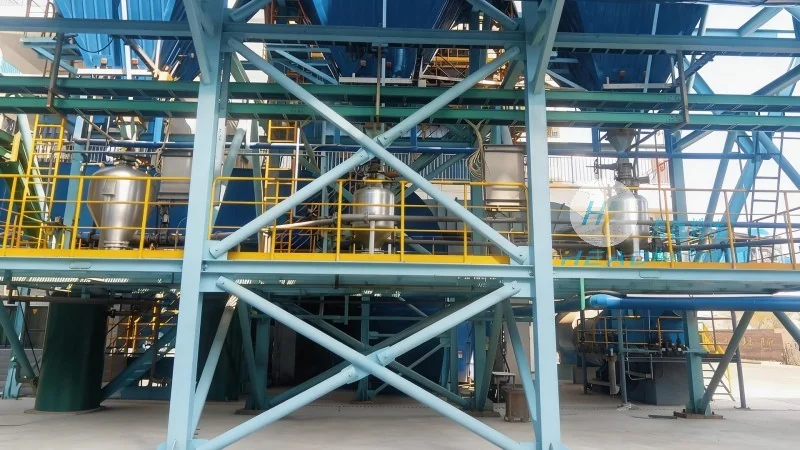
Several key features distinguish nanopowder material conveying lines from conventional bulk material handling systems. These features are designed to address the specific challenges of handling fine powders and enhance operational efficiency. First, the equipment is constructed from materials that are non-reactive and easy to clean, such as stainless steel or special plastics, to prevent contamination and ensure compliance with industry standards. Second, the conveying lines are equipped with anti-static measures, including grounding and ionizers, to prevent the buildup of static electricity that can cause powder explosions or material loss. Third, the system incorporates advanced control technology, such as variable frequency drives (VFDs) and real-time monitoring, to adjust flow rates and pressure dynamically based on the material properties and process requirements. Fourth, the design includes features to minimize particle segregation and agglomeration, such as gentle agitation and optimized duct geometry, which helps maintain the uniformity of the powder throughout the conveying process. Additionally, the lines are often equipped with dust collection systems and explosion-proof components to enhance safety in industrial environments.
Applications and Benefits in Industrial Settings
Nanopowder material conveying lines are widely used in various industrial applications where the handling of fine powders is critical. In the pharmaceutical industry, these systems are used to transport active pharmaceutical ingredients (APIs) and excipients with high precision, ensuring that the final dosage forms meet strict quality and purity standards. In the electronics industry, they are employed to convey conductive nanopowders used in the production of printed circuit boards (PCBs) and other electronic components, where uniform particle distribution is essential for performance. In the cosmetics industry, they are used to handle pigments and other fine ingredients, contributing to the consistent color and texture of final products. The benefits of using these conveying lines include improved product quality, reduced downtime due to maintenance, enhanced safety through anti-static measures, and increased operational efficiency through automated control systems. For example, in pharmaceutical manufacturing, precise control over the conveying process helps maintain the uniformity of drug powders, which is critical for ensuring consistent therapeutic effects. In electronics manufacturing, the ability to handle conductive nanopowders without degradation is vital for producing high-quality components.
Conclusion
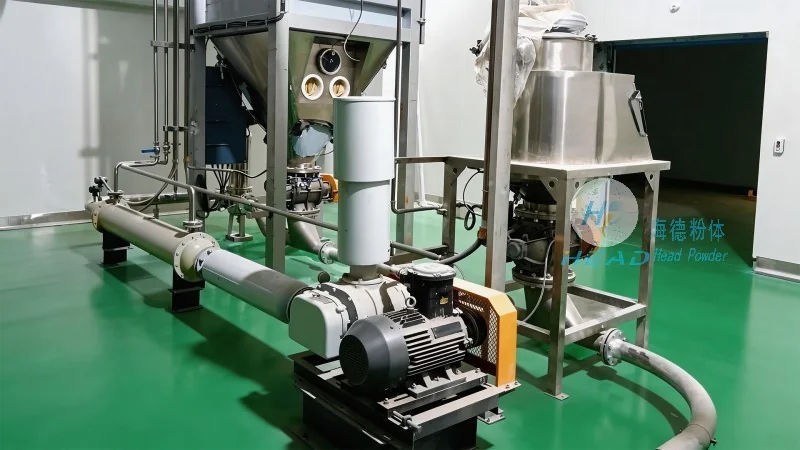
In conclusion, nanopowder material conveying lines are sophisticated systems that combine advanced engineering principles with specialized materials and control technologies to handle fine powders efficiently and safely. The working principle, which primarily relies on pneumatic conveying with precise control mechanisms, ensures that the material is transported without degradation or loss. The key features, including anti-static measures, non-reactive construction, and advanced monitoring, address the unique challenges of nanopowders and enhance overall performance. As industries continue to rely on fine powders for their products, the importance of these conveying lines will only grow, making them an essential component of modern material handling systems. Shandong HeadPowder Engineering Co., Ltd. (headpowder) remains at the forefront of developing such advanced solutions, providing industries with reliable and efficient equipment for handling nanopowders.




