

Principle and Working Scene Characteristics of Stone Pneumatic Conveying Lines
Understanding the fundamental principles and practical applications of stone pneumatic conveying lines is crucial for industries dealing with bulk material handling. This article explores the core mechanisms behind these systems, alongside key operational scenarios where they excel in material transport.
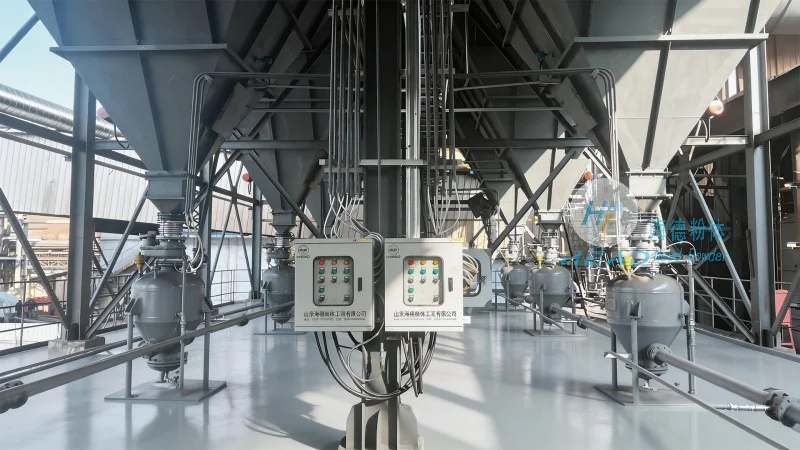
Core Principles of Pneumatic Conveying for Stone Materials
At the heart of stone pneumatic conveying systems lies the use of air as the primary medium to transport particulate materials like gravel, crushed stone, or construction aggregates. The process typically involves creating a pressure differential or utilizing vacuum to move the material through a pipeline. There are two main types of pneumatic conveying: pressure and vacuum systems. Pressure systems operate by blowing air under pressure into the pipeline, pushing the material forward, while vacuum systems create a negative pressure to draw material into the line. For stone materials, which often have varying sizes and densities, the design of the conveying line must account for factors such as particle size distribution, moisture content, and material abrasiveness to ensure efficient and reliable transport. The system components include a material feeder, a conveying line (often with bends and expansions), a separator to separate air and material, and a receiver for the delivered material. The choice of system type depends on the distance, material characteristics, and operational requirements. For example, pressure systems are suitable for longer distances and higher material loads, whereas vacuum systems are ideal for shorter distances or when handling lighter materials.
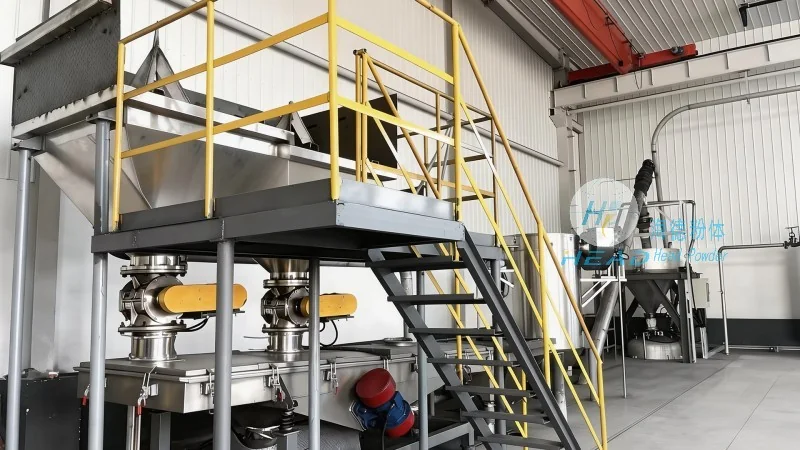
Key Working Scene Characteristics of Stone Pneumatic Conveying Lines
Stone pneumatic conveying lines are widely used in various industrial and construction applications, each with distinct characteristics that highlight their effectiveness. In mining operations, these systems efficiently transport crushed stone from processing plants to storage or for further processing, minimizing manual handling and reducing material loss. The ability to handle large volumes of material quickly and safely makes them indispensable in such environments. In construction sites, pneumatic conveying lines are employed to move aggregates from stockpiles to concrete mixing plants or other work areas. This method eliminates the need for trucks or loaders, improving site organization and reducing dust exposure. The flexibility of these systems allows for integration into existing infrastructure, adapting to the layout of construction sites. Additionally, in aggregate processing facilities, stone pneumatic conveying lines are used to transport raw materials between different processing stages, such as crushing, screening, and washing. This continuous material flow enhances production efficiency and ensures a steady supply of materials for downstream processes. The adaptability of the system to different material types and processing requirements makes it a versatile solution in the aggregate industry.
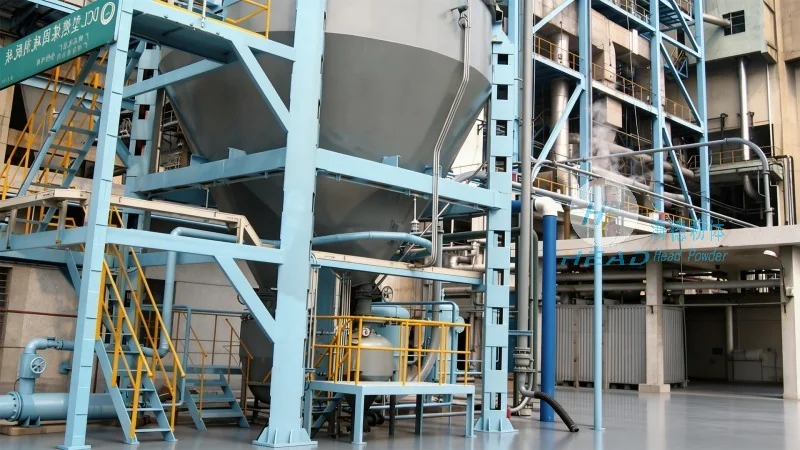
Company Information and Service Scope
HeadPowder, a leading provider of material handling solutions, specializes in designing and manufacturing stone pneumatic conveying lines tailored to the specific needs of clients. With years of experience in the industry, the company has developed expertise in handling diverse stone materials, ensuring that their systems are robust and efficient. HeadPowder's team of engineers and technicians work closely with clients to understand their operational challenges and provide customized solutions. The company's facilities in Shandong, China, are equipped with advanced technology and quality control measures to ensure that each conveying line meets the highest standards. Whether for industrial, construction, or mining applications, HeadPowder's stone pneumatic conveying lines offer reliable performance and durability, contributing to improved productivity and reduced operational costs for clients worldwide.