

Principle and Working Scene Characteristics of Wood Dust Pneumatic Conveying Lines
Shandong HeadPowder Engineering Co., Ltd., commonly known as headpowder, is a leading enterprise in the field of pneumatic conveying technology. With its headquarters located in Shandong, China, the company specializes in the research, development, and manufacturing of advanced pneumatic conveying systems tailored for various industrial applications. This article provides an in-depth exploration of the principle and working scene characteristics of wood dust pneumatic conveying lines, highlighting the technical aspects and practical advantages of such systems.
Introduction to Wood Dust Pneumatic Conveying Systems
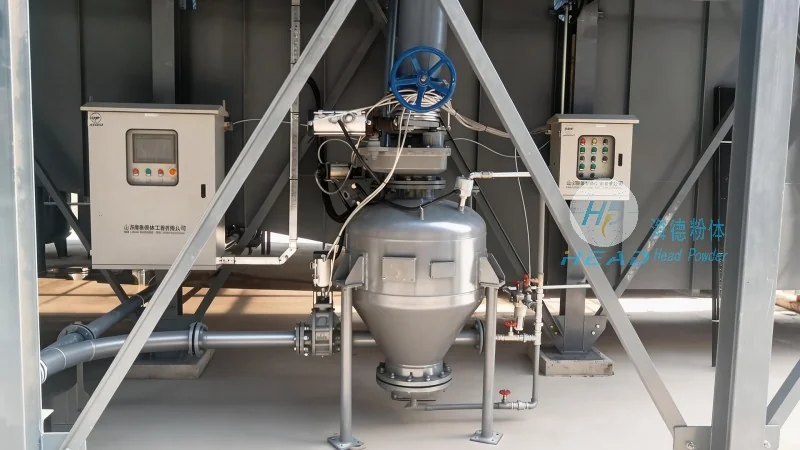
Wood dust, a common byproduct in the woodworking and furniture manufacturing industries, poses unique challenges in terms of handling and transportation. Traditional methods like manual handling or mechanical conveyors often lead to dust pollution, operational inefficiencies, and safety hazards. Pneumatic conveying offers a solution by utilizing air as the primary medium to transport wood dust particles efficiently and safely. The system integrates several key components, including feeders, pipelines, separation devices, and dust collectors, working in tandem to achieve seamless material transfer.
Principle of Pneumatic Conveying for Wood Dust
The fundamental principle of pneumatic conveying for wood dust involves the use of air flow to move solid particles through a closed pipeline system. There are two main types of pneumatic conveying: suction (or vacuum) conveying and pressure conveying. Suction systems draw material from a source using a vacuum created by a fan, while pressure systems force material through the pipeline using compressed air. For wood dust, which is typically light and abrasive, the choice of system depends on factors such as the distance to be covered, the dust concentration, and the required flow rate. The system's design must consider the dust's moisture content, particle size distribution, and potential for explosion, ensuring compliance with safety standards and optimal performance.
Key Components and Working Mechanism
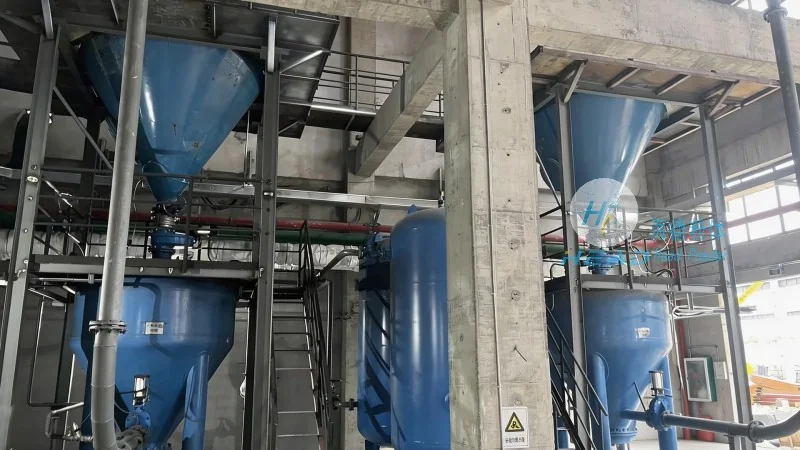
A typical wood dust pneumatic conveying line consists of several critical components. The feeder, often a rotary valve or a star feeder, controls the flow of wood dust into the pipeline, ensuring a consistent and controlled feed rate. The pipeline, usually made of stainless steel or other corrosion-resistant materials, is designed to withstand the abrasive nature of wood dust and the pressure or vacuum conditions. The separation unit, such as a cyclone separator or a bag filter, separates the wood dust from the air stream, allowing the dust to be collected in a storage bin or container. The air, now clean, is either recirculated or discharged through a vent. The fan or blower provides the necessary air pressure or vacuum to drive the conveying process, with its capacity matched to the system's requirements to maintain efficient operation.
Working Scene Characteristics and Application Scenarios
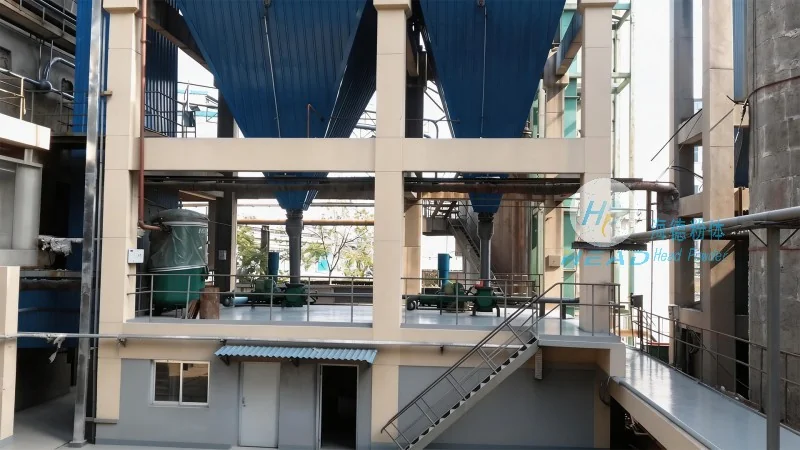
Wood dust pneumatic conveying systems are widely used in various industrial settings, particularly in the woodworking and furniture manufacturing sectors. One common application is the transfer of wood dust from a grinding or milling machine to a central storage silo or collection hopper. This process eliminates the need for manual handling, reducing the risk of dust exposure and improving workplace safety. Another scenario involves the transportation of wood dust between different production lines, such as from a drying unit to a packaging machine. The system's ability to handle long distances and vertical lifts makes it suitable for large-scale manufacturing facilities. Additionally, in wood pellet production plants, pneumatic conveying is used to transport raw wood chips or dust to the pelletizing equipment, ensuring a continuous and efficient production flow.
Advantages in Practical Applications
The adoption of wood dust pneumatic conveying lines offers numerous advantages over traditional methods. Firstly, it significantly reduces labor costs by automating the material handling process, eliminating the need for manual loading and unloading. Secondly, the system provides a dust-free environment, as the entire process is enclosed, preventing dust from spreading into the workplace and reducing the risk of respiratory issues for workers. Thirdly, the closed pipeline design minimizes the risk of fire or explosion, as the system is designed to handle the flammable nature of wood dust safely. Furthermore, the system's flexibility allows for easy integration with existing production lines, and its low maintenance requirements contribute to long-term cost savings. The efficiency of pneumatic conveying also leads to reduced energy consumption compared to mechanical conveyors, making it an environmentally friendly solution.
Customization and Technical Support
Shandong HeadPowder Engineering Co., Ltd. offers customized pneumatic conveying solutions tailored to the specific needs of each client. The company's engineering team works closely with customers to assess their production requirements, including the type and quantity of wood dust, the distance and height of the conveying route, and the available space for equipment installation. Based on these assessments, the company designs and manufactures a system that meets the client's operational and safety standards. The company also provides comprehensive technical support, including installation guidance, training for operators, and after-sales maintenance services. This ensures that the wood dust pneumatic conveying line operates at peak efficiency and remains reliable over its service life. By leveraging the expertise of headpowder, businesses can enhance their production processes, improve workplace safety, and achieve sustainable growth in the woodworking industry.