

Principle and Working Scene Characteristics of Carbon Fiber Pneumatic Conveying Lines
HeadPowder, a leading manufacturer based in Shandong, China, specializes in advanced material handling solutions. The carbon fiber pneumatic conveying line is a sophisticated system designed to transport bulk materials efficiently and reliably. This technology leverages the unique properties of carbon fiber components to enhance performance in various industrial applications. The system integrates high-strength carbon fiber materials with pneumatic conveying principles, offering a robust and versatile solution for material transport challenges.
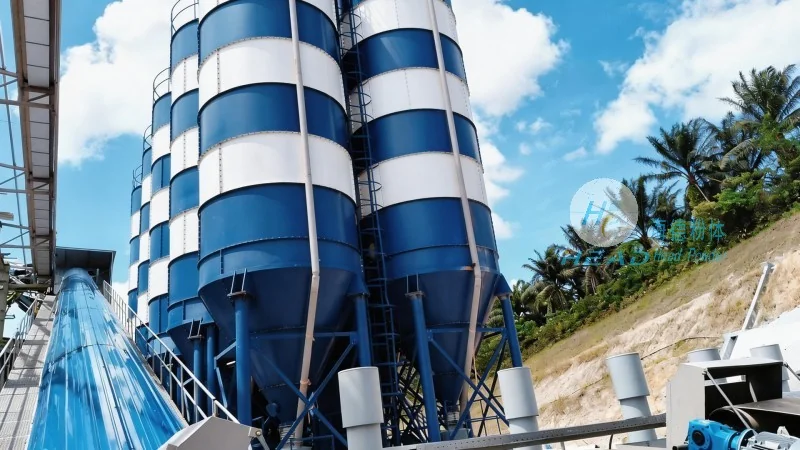
Principle of Carbon Fiber Pneumatic Conveying
The core principle of a carbon fiber pneumatic conveying line involves the use of air pressure to move particulate materials through a pipeline. Unlike traditional metal systems, carbon fiber offers superior strength-to-weight ratios, corrosion resistance, and durability under harsh operating conditions. The system typically consists of a hopper for material storage, a blower or compressor to generate airflow, and a series of pipes with appropriate fittings. The carbon fiber construction minimizes friction and wear, ensuring consistent material flow and reducing maintenance requirements. The airflow is generated by a positive displacement blower or a centrifugal compressor, which maintains the necessary pressure to entrain and transport the material. The carbon fiber pipeline and components are engineered to withstand the internal pressure and material impact, preventing deformation or failure. This principle allows for efficient, continuous material transport over long distances or complex routes, as the system can be configured with multiple branches and bends without significant pressure loss.
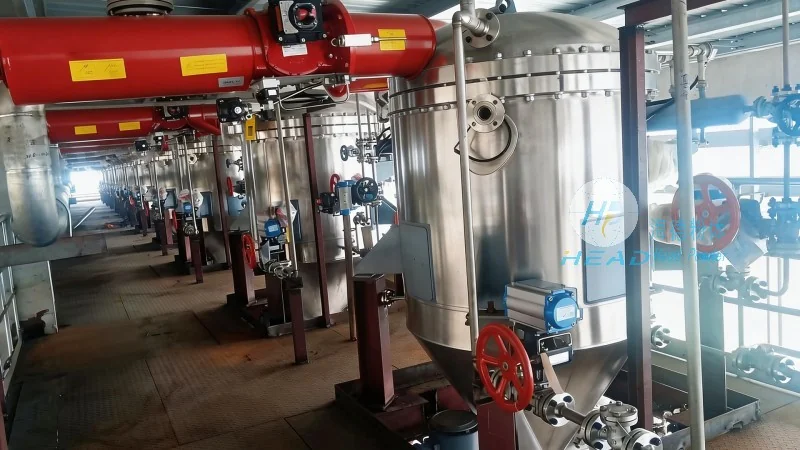
Working Scene Characteristics
The working scene characteristics of carbon fiber pneumatic conveying lines are tailored to meet diverse industrial needs. These systems are particularly suitable for environments where traditional metal conveyors may suffer from corrosion or wear, such as in chemical processing, food and beverage industries, or pharmaceutical manufacturing. The lightweight yet strong carbon fiber components allow for flexible installation, including vertical and horizontal configurations, and can be adapted to tight spaces or complex layouts. The system's ability to handle a wide range of materials—from fine powders to granules—makes it versatile for various production processes. Additionally, the system's corrosion resistance is a critical feature in environments where moisture or chemical vapors are present, ensuring long-term operational reliability. The working scene also includes considerations for noise reduction, as carbon fiber components are less prone to vibration and noise compared to metal systems, contributing to a quieter operational environment.
Key Advantages in Industrial Applications
Several key advantages distinguish carbon fiber pneumatic conveying lines in industrial settings. The high strength and low weight of carbon fiber reduce the overall system weight, simplifying structural support and installation. Corrosion resistance is a significant benefit, as carbon fiber does not react with many chemicals, making it ideal for transporting aggressive or moisture-sensitive materials. The system also offers low maintenance costs due to the reduced wear on components, as carbon fiber has a high wear resistance compared to metal. Furthermore, the energy efficiency of the system, achieved through optimized airflow and minimal pressure losses, contributes to lower operational costs over time. The hygienic design of the system, with smooth surfaces and easy-to-clean components, is particularly beneficial in food and pharmaceutical industries, where product purity is paramount.
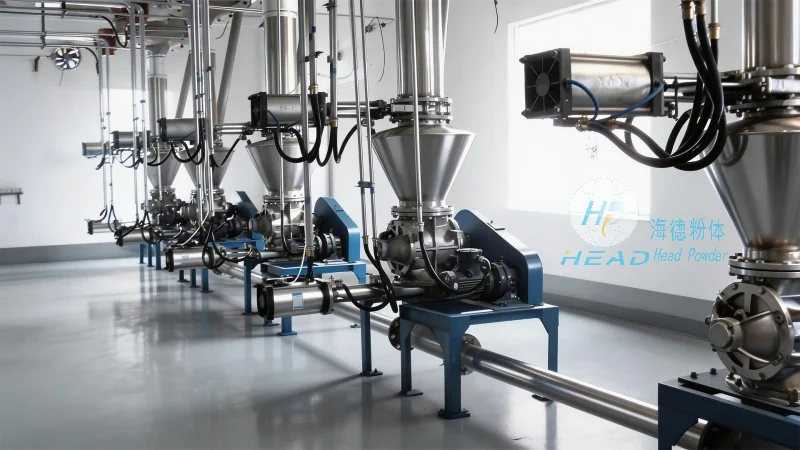
Application Examples and Operational Efficiency
Carbon fiber pneumatic conveying lines are widely used in sectors requiring precise material handling. For instance, in the chemical industry, they efficiently transport powders and granules for mixing and processing, ensuring consistent product quality. In the food and beverage sector, the system's hygienic properties and non-reactive materials comply with strict regulatory standards, enabling safe handling of food products. The pharmaceutical industry benefits from the system's ability to maintain sterile conditions and prevent contamination, as carbon fiber components do not harbor bacteria or other contaminants. Operational efficiency is enhanced through the system's ability to maintain consistent flow rates, reducing downtime and improving production throughput. The flexibility of the system allows for easy integration with existing production lines, minimizing disruption during installation and operation. The system's ability to handle high volumes of material at controlled speeds also contributes to improved process control and reduced material waste.