Understanding the working principle and features of cotton powder conveying lines is crucial for optimizing material handling processes in various industrial applications. These systems are designed to efficiently transport cotton powder, a fine and lightweight material, from one location to another while maintaining product integrity and minimizing contamination risks.
Introduction to Cotton Powder Conveying Lines
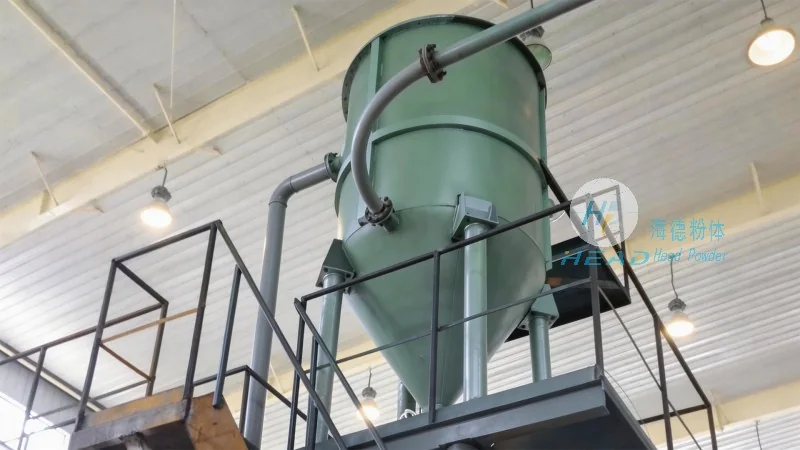
Cotton powder conveying lines are specialized systems engineered to handle the unique properties of cotton powder, which includes its fine particle size, low bulk density, and tendency to generate static electricity. The primary goal of these lines is to ensure reliable, continuous, and safe transportation of cotton powder in industrial settings such as textile manufacturing, food processing, and pharmaceutical production.
Working Principle of Cotton Powder Conveying Lines
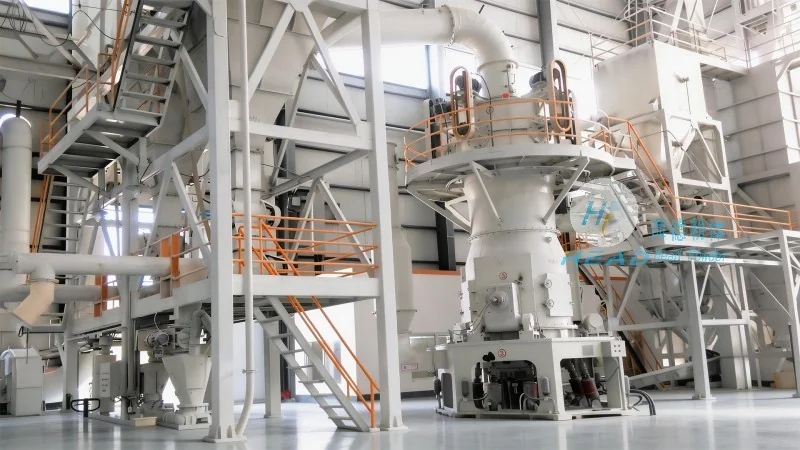
The working principle of cotton powder conveying lines typically involves a combination of mechanical components working in tandem to move the material. A common setup includes a hopper or feeder that stores the cotton powder, a conveyor system (such as a screw conveyor or pneumatic conveyor), and a control system to regulate the flow. The process begins with the cotton powder being fed from the hopper into the conveyor. In pneumatic conveying systems, compressed air is used to create a flow that carries the powder through pipes to the destination. Screw conveyors, on the other hand, use rotating screws to push the material forward along a trough. The control system monitors parameters like pressure, flow rate, and temperature to ensure smooth operation and prevent blockages or overloading.
Key Features of Cotton Powder Conveying Lines
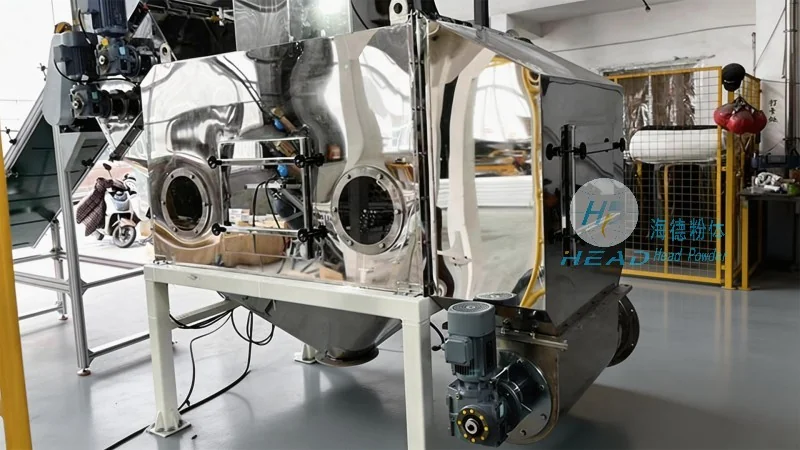
Several key features distinguish effective cotton powder conveying lines, making them suitable for demanding industrial environments. First, the design incorporates anti-static measures to prevent the buildup of static electricity, which can cause material accumulation or spark hazards. This is achieved through grounding components and conductive materials in the conveyor system. Second, the systems are equipped with dust collection and filtration units to maintain air quality and comply with environmental regulations. These units capture fine powder particles that might otherwise be released into the atmosphere, ensuring a clean and safe working environment. Third, the conveyors are often constructed with materials that are resistant to corrosion and wear, such as stainless steel or special coatings, to withstand the abrasive nature of cotton powder and extend the equipment's lifespan. Additionally, many modern systems include automated controls and sensors that provide real-time monitoring of the conveying process, allowing for immediate adjustments to maintain optimal performance.
Applications and Benefits of Cotton Powder Conveying Lines
Cotton powder conveying lines find applications in a wide range of industries due to their ability to handle fine powders efficiently and safely. In the textile industry, these systems are used to transport raw cotton powder to spinning machines, ensuring a consistent supply of material for production. In food processing, they help move cotton-based ingredients for use in products like cotton candy or dietary supplements. The pharmaceutical industry also benefits from these lines when handling cotton-based excipients or raw materials for drug manufacturing. The primary benefits of using cotton powder conveying lines include improved process efficiency, reduced labor costs, enhanced product quality through minimized contamination, and increased safety by preventing dust explosions and material handling accidents.
Customization and Maintenance Considerations
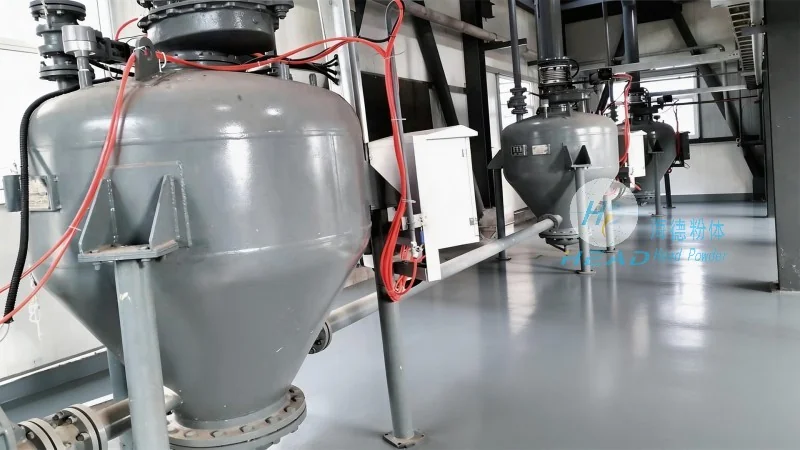
Given the diverse requirements of different industrial applications, cotton powder conveying lines are often customizable to meet specific needs. Manufacturers like Shandong HeadPowder Engineering Co., Ltd. offer tailored solutions that consider factors such as the volume of material to be conveyed, the distance between the source and destination, and the required speed of the process. Regular maintenance is essential to ensure the longevity and reliability of these systems. This includes cleaning the conveyor components to prevent powder buildup, inspecting and replacing worn parts, and checking the performance of the control system. Proper maintenance not only extends the lifespan of the equipment but also ensures consistent performance and compliance with safety standards.




