

Design of a Pneumatic Conveying System for Glass Particles
HeadPowder, a leading engineering firm based in Shandong, China, specializes in the design and implementation of advanced pneumatic conveying systems tailored for the handling of glass particles. This article explores the key aspects of such a system, emphasizing the technical considerations, components, and benefits that contribute to efficient material transport in industrial settings.
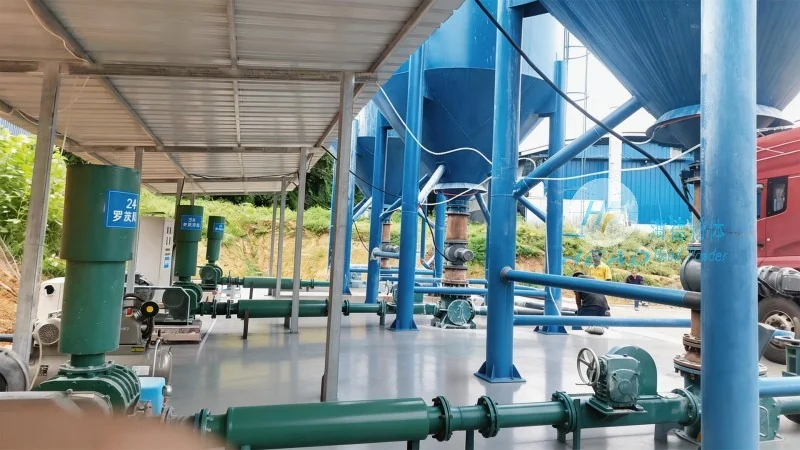
Introduction to Pneumatic Conveying Systems for Glass Particles
Pneumatic conveying systems are widely used in the glass manufacturing and processing industries to transport glass particles from one location to another. These systems utilize air or other gases to move the material through a pipeline network, offering a dust-free, efficient, and flexible solution compared to traditional mechanical conveying methods. The design of a glass particle pneumatic conveying system must account for the unique properties of glass, such as its abrasive nature, density, and potential for breakage, to ensure optimal performance and longevity.
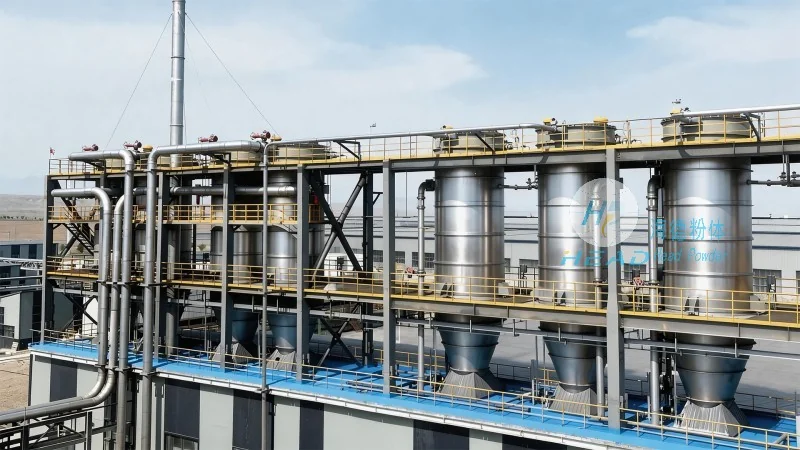
Key Design Considerations in Glass Particle Handling
When designing a pneumatic conveying system for glass particles, several critical factors must be addressed to prevent system failure and maintain material integrity. The first consideration is the material's physical characteristics, including particle size distribution, density, and moisture content. These properties influence the selection of air velocity, pipeline diameter, and pressure levels required for effective transport. Additionally, the abrasive nature of glass necessitates the use of high-quality, corrosion-resistant materials for system components, such as stainless steel or specialized alloys, to minimize wear and extend equipment life.
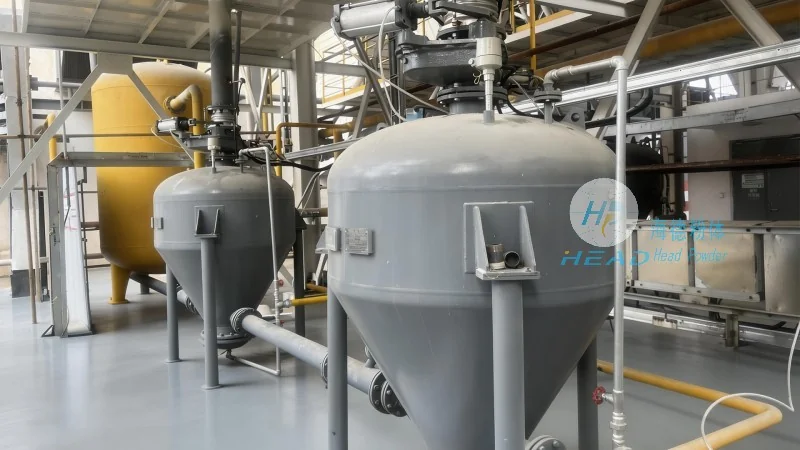
System Components and Their Functionality
A typical glass particle pneumatic conveying system consists of several interconnected components, each playing a vital role in the material transport process. The primary components include a feeding hopper, a rotary airlock valve, a conveying pipeline, a receiver, and a dust collection system. The feeding hopper is designed to store and feed the glass particles into the system at a controlled rate, preventing overloading and ensuring consistent material flow. The rotary airlock valve acts as a gate, allowing particles to enter the pipeline while preventing backflow of air. The conveying pipeline, often made of stainless steel or plastic, transports the glass particles mixed with air. The receiver collects the conveyed material and may include a dust filtration system to capture any fine particles that escape. Finally, the dust collection system ensures compliance with environmental regulations and maintains a clean working environment.
Advantages of the HeadPowder Pneumatic Conveying Solution
HeadPowder's pneumatic conveying systems for glass particles offer several advantages over conventional methods. These include reduced labor costs due to automated material handling, improved safety by eliminating manual handling of glass particles, and enhanced product quality through minimized contamination and breakage. The systems are also highly flexible, allowing for easy reconfiguration to accommodate changes in production volume or material type. Furthermore, HeadPowder's engineering expertise ensures that each system is customized to meet the specific needs of the client, resulting in optimal performance and cost-effectiveness.
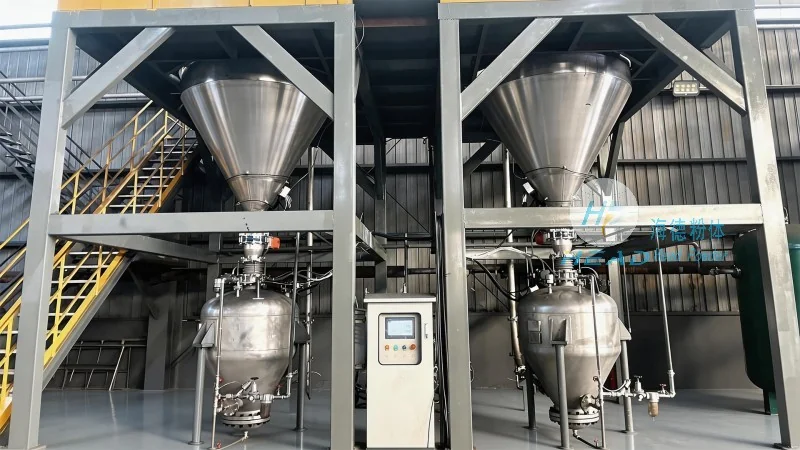
Application Scenarios and Industry Benefits
The HeadPowder pneumatic conveying system for glass particles is suitable for a wide range of applications within the glass industry, including the transport of raw glass materials from storage to processing lines, the movement of finished glass products from production to packaging areas, and the transfer of glass scrap for recycling. In these applications, the system provides a reliable and efficient means of material transport, reducing downtime and increasing overall productivity. The benefits extend beyond operational efficiency, as the system also contributes to a cleaner and safer working environment, aligning with modern industrial standards and regulatory requirements.