Chloroprene rubber, also known as neoprene, is a versatile synthetic polymer widely used in industrial applications due to its excellent resistance to oil, chemicals, and weathering. The efficient handling and transportation of chloroprene rubber granules or powders are critical for maintaining production efficiency and product quality. Pneumatic conveying systems offer a reliable solution for this purpose, enabling safe and effective material transport without the need for mechanical components that might cause contamination or wear. This article explores the design considerations and key components of a chloroprene rubber pneumatic conveying system, highlighting the expertise of Shandong HeadPowder Engineering Co., Ltd. in delivering tailored solutions for industrial material handling needs.
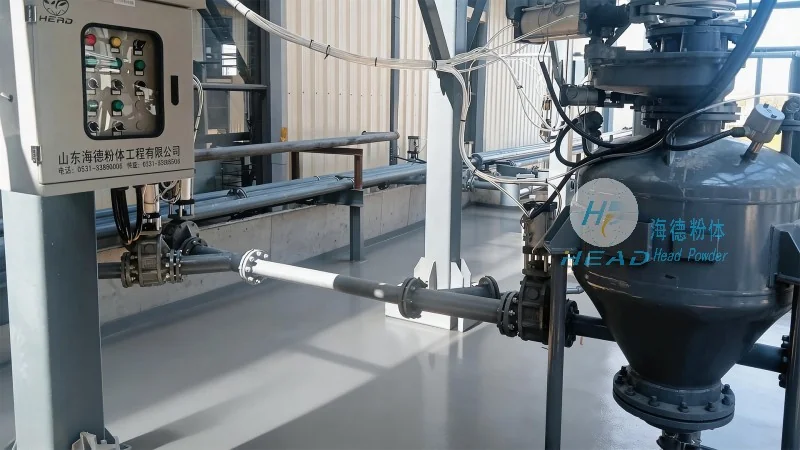
Company Overview: HeadPowder Engineering
HeadPowder Engineering, operating under the brand name headpowder, is a leading manufacturer and supplier of advanced material handling equipment. With a focus on innovation and customer-centric solutions, the company specializes in designing and manufacturing pneumatic conveying systems for various industrial applications. HeadPowder Engineering is committed to providing high-quality, durable, and efficient equipment that meets the specific requirements of clients in the rubber processing industry. The company's headquarters is located in Shandong, China, where it leverages local resources and expertise to develop cutting-edge solutions for material handling challenges.
Key Design Principles for Chloroprene Rubber Pneumatic Conveying
The design of a chloroprene rubber pneumatic conveying system involves several critical factors to ensure optimal performance and longevity. First, the system must be tailored to the physical properties of chloroprene rubber, such as its particle size, density, and flow characteristics. The selection of appropriate air velocity and pressure is crucial to prevent material degradation or blockages in the conveying lines. Additionally, the system should incorporate features that minimize dust generation and ensure environmental compliance, as chloroprene rubber is often handled in cleanroom or controlled environments. HeadPowder Engineering employs advanced computational fluid dynamics (CFD) and material testing to optimize the design of each component, ensuring that the system operates efficiently and safely.
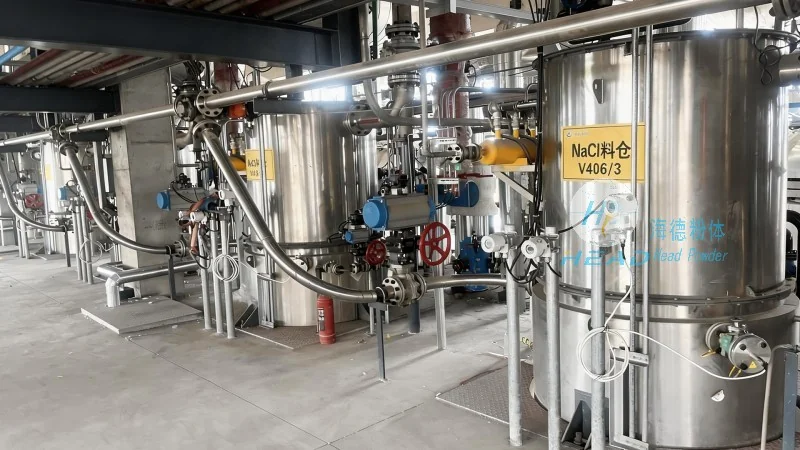
Core Components of the Pneumatic Conveying System
A chloroprene rubber pneumatic conveying system typically consists of several key components, each playing a vital role in the material transport process. The primary components include a material hopper for storage and feeding, a rotary airlock valve to control the flow of material into the conveying line, a positive displacement blower or compressor to generate the necessary air pressure, and a conveying line (often made of stainless steel or other corrosion-resistant materials) to transport the material to the destination. The system may also include a dust collector or filter to capture any airborne particles and a receiver or discharge hopper at the end of the line. Each component is carefully selected and integrated to ensure seamless operation and minimal maintenance requirements. HeadPowder Engineering’s expertise lies in the precise matching of these components to the specific characteristics of chloroprene rubber, resulting in a system that delivers consistent performance and reliability.
Advantages of Chloroprene Rubber Pneumatic Conveying
Implementing a pneumatic conveying system for chloroprene rubber offers numerous advantages over traditional mechanical conveying methods. One of the most significant benefits is the prevention of material contamination, as the system operates in a closed environment, eliminating the risk of exposure to external pollutants or moisture. This is particularly important for chloroprene rubber, which is sensitive to environmental factors that could affect its quality and performance. Additionally, pneumatic conveying systems provide a high degree of flexibility, allowing for easy integration with existing production lines and the ability to transport materials over long distances without the need for intermediate storage or handling. The system also reduces labor costs by automating the material transport process and minimizing the need for manual handling, which can be hazardous in industrial settings. Furthermore, the use of corrosion-resistant materials in the construction of the conveying line ensures long-term durability and low maintenance costs, making it a cost-effective solution for industrial applications.
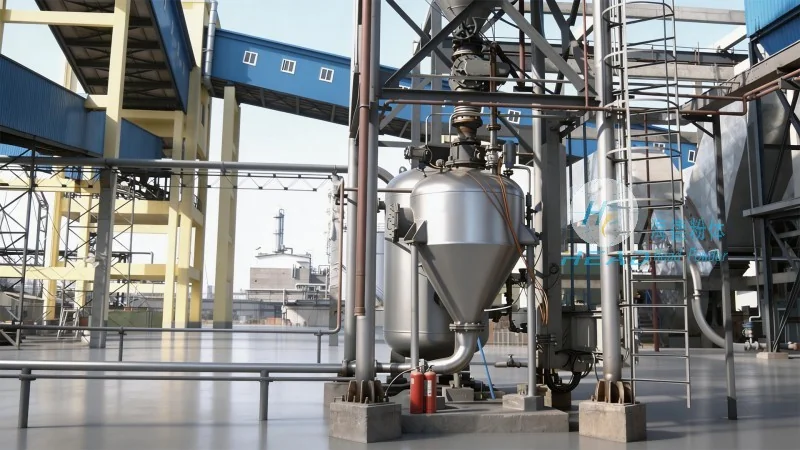
Customization and Application Flexibility
HeadPowder Engineering understands that each industrial facility has unique requirements when it comes to material handling. Therefore, the company offers customized pneumatic conveying solutions tailored to the specific needs of clients. Whether the application involves handling chloroprene rubber in a manufacturing plant, a storage facility, or a processing line, HeadPowder Engineering can design a system that meets the exact specifications. The company’s engineers work closely with clients to assess their operational needs, material characteristics, and space constraints to develop a solution that maximizes efficiency and minimizes downtime. Customization options may include adjustments to the air velocity, pressure, and line length, as well as the integration of additional features such as temperature control or material separation. This flexibility ensures that clients receive a system that is not only effective but also scalable, allowing for future expansion or adaptation to changing production requirements.
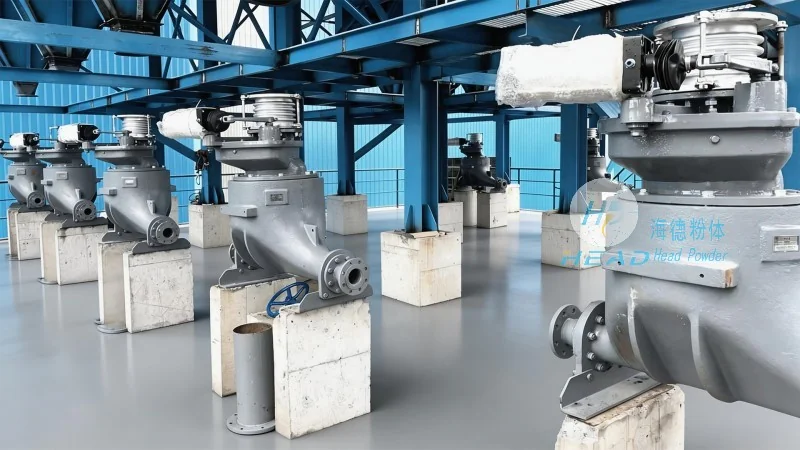
Maintenance and Support Services
Ensuring the long-term performance and reliability of a chloroprene rubber pneumatic conveying system requires regular maintenance and proper support. HeadPowder Engineering provides comprehensive maintenance services to keep the system operating at peak efficiency. This includes routine inspections, component replacement, and troubleshooting to address any issues that may arise. The company’s technical support team is available to assist clients with any questions or concerns, providing guidance on operational procedures and maintenance schedules. By offering ongoing support, HeadPowder Engineering helps clients maximize the lifespan of their equipment and minimize downtime, ultimately contributing to increased productivity and cost savings. The company’s commitment to customer satisfaction is reflected in its comprehensive service offerings, which include training for operators and maintenance personnel to ensure proper system operation.
Conclusion
In conclusion, the design of a chloroprene rubber pneumatic conveying system is a critical aspect of industrial material handling, requiring careful consideration of the material’s properties and the system’s components. HeadPowder Engineering, with its expertise and commitment to quality, offers tailored solutions that address the specific needs of clients in the rubber processing industry. By leveraging advanced design principles and high-quality components, the company delivers efficient, reliable, and cost-effective pneumatic conveying systems that enhance production efficiency and product quality. For businesses seeking to optimize their chloroprene rubber handling processes, HeadPowder Engineering provides the expertise and support needed to achieve their operational goals.




