For industries dealing with activated carbon powder, efficient and reliable material handling is crucial. The design of a pneumatic conveying system specifically tailored for activated carbon powder represents a critical component in ensuring smooth production processes. This article explores the key considerations and technical aspects involved in developing such a system, highlighting the expertise of Shandong HeadPowder Engineering Co., Ltd., a leading provider in the field.
Key Design Challenges in Activated Carbon Powder Conveying
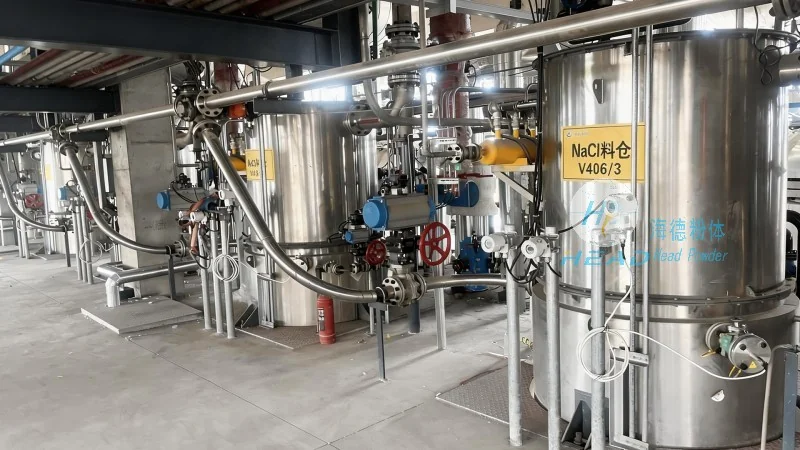
The successful design of a pneumatic conveying system for activated carbon powder necessitates addressing several unique challenges. One of the primary concerns is the material's fine particle size and tendency to agglomerate, which can lead to blockages and reduced system efficiency. Additionally, activated carbon is often used in applications where dust control and environmental compliance are paramount, making the selection of appropriate materials and sealing mechanisms essential. The system must also accommodate varying flow rates and pressure requirements, ensuring consistent performance under different operational conditions.
System Components and Their Functionality
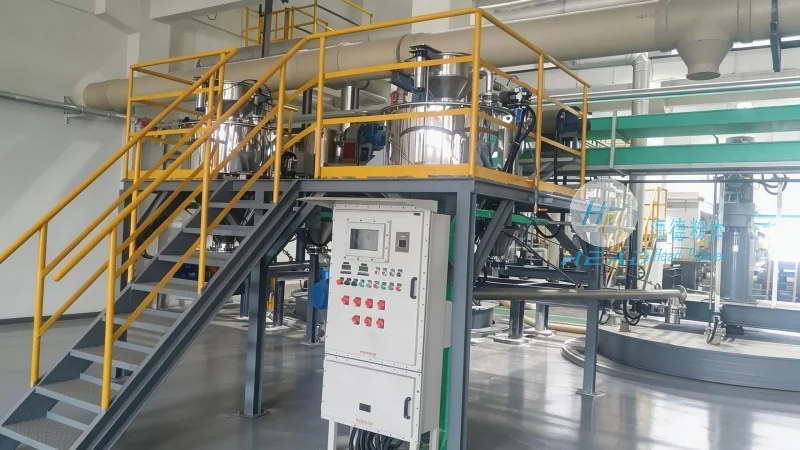
A typical pneumatic conveying system for activated carbon powder consists of several interconnected components, each playing a vital role in the overall operation. The feed hopper is responsible for storing and feeding the powder into the system, while the air compressor generates the necessary pressure to move the material. The conveying line, often equipped with special ducting to prevent particle degradation, transports the powder from the feed point to the discharge point. At the discharge end, a receiver or silo collects the material, and a dust collection system may be integrated to capture any particles that escape during the process. The control system, which monitors pressure, flow, and other parameters, ensures the system operates within optimal conditions, preventing overloading or underperformance.
Material Selection and Engineering Considerations
Choosing the right materials for the system components is critical to ensure durability and compatibility with activated carbon powder. The feed hopper and conveying line are typically constructed from corrosion-resistant materials such as stainless steel or high-density polyethylene to prevent chemical reactions with the powder. Sealing mechanisms, including rotary valves and airlocks, are designed to minimize leakage and maintain the integrity of the system. The air compressor and associated piping are also engineered to handle the specific demands of conveying fine powders, with considerations for pressure drop and energy efficiency. Shandong HeadPowder Engineering Co., Ltd. employs advanced engineering principles and material science expertise to select components that meet both functional and safety requirements.
Advantages of a Custom-Designed Pneumatic Conveying System
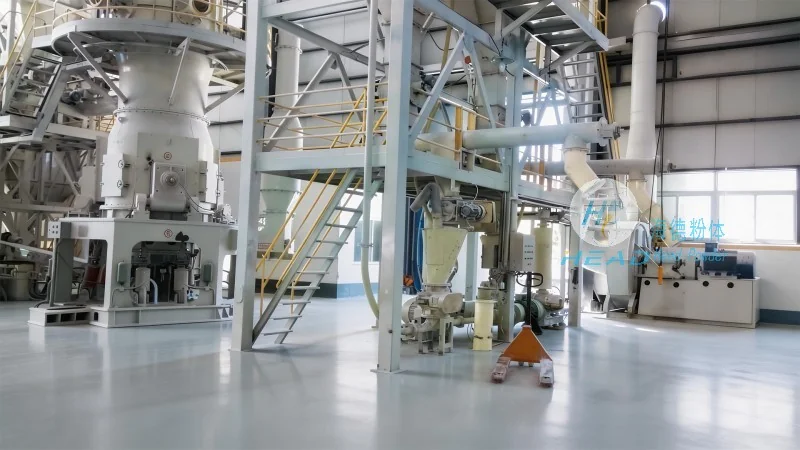
Implementing a custom-designed pneumatic conveying system for activated carbon powder offers numerous advantages over traditional methods. The system provides a dust-free and enclosed environment, reducing the risk of contamination and improving workplace safety. It also enhances material handling efficiency by minimizing downtime and ensuring consistent flow rates. Additionally, the system can be tailored to specific production needs, allowing for scalability and adaptability as production volumes change. The integration of advanced control systems enables real-time monitoring and adjustment, further optimizing performance and reducing operational costs.
Case Studies and Industry Applications
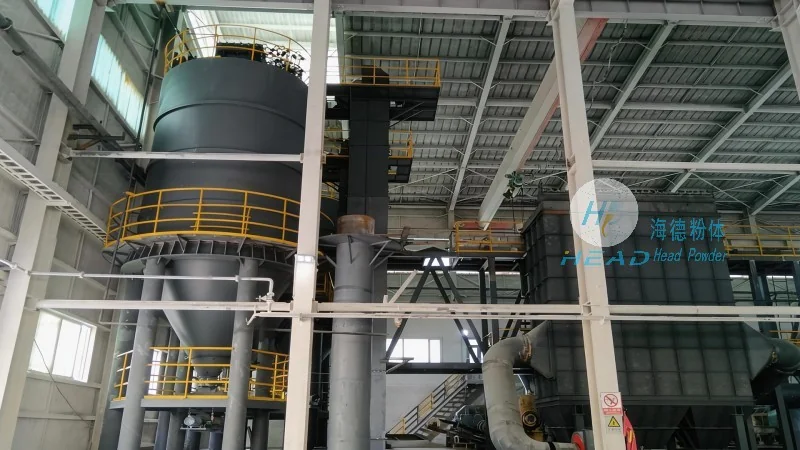
Shandong HeadPowder Engineering Co., Ltd. has successfully implemented pneumatic conveying systems for activated carbon powder in various industries, including water treatment, air purification, and chemical manufacturing. These systems have been designed to handle different particle sizes and flow rates, demonstrating the versatility and effectiveness of the technology. For example, in a water treatment facility, the system efficiently conveyed activated carbon to filtration units, improving the overall treatment process and reducing maintenance requirements. In the chemical industry, the system ensured a consistent supply of activated carbon to reactors, enhancing product quality and reducing waste. These case studies highlight the practical benefits and reliability of the designed systems.
Conclusion and Future Developments
The design of a pneumatic conveying system for activated carbon powder is a complex but essential process that requires a deep understanding of material properties and engineering principles. Shandong HeadPowder Engineering Co., Ltd. leverages its expertise and experience to develop systems that meet the specific needs of its clients, ensuring efficient, reliable, and safe material handling. As technology advances, future developments may include the integration of smart sensors and automation to further enhance system performance and reduce operational costs. The continued focus on innovation and customer-centric design will remain key to the success of pneumatic conveying systems in the activated carbon industry.




