

What is a Pneumatic Conveying Line for Battery Positive Electrode Materials? Understanding Design Pr
For manufacturers in the battery industry, efficient and reliable material handling is crucial to maintaining production efficiency and product quality. A pneumatic conveying line specifically designed for battery positive electrode materials represents a sophisticated solution that addresses the unique challenges of transporting these materials. This article explores what such a system entails and the key design principles that underpin its functionality.
What is a Pneumatic Conveying Line for Battery Positive Electrode Materials?
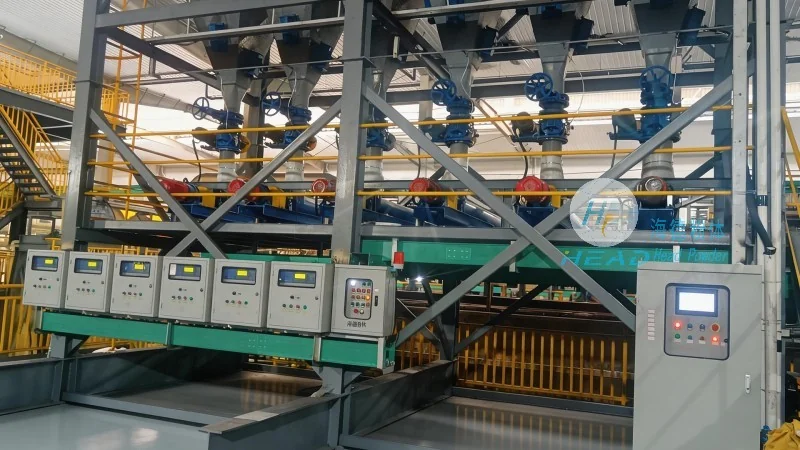
A pneumatic conveying line for battery positive electrode materials is a closed-loop system that uses compressed air or other gas to transport powders and granules, such as lithium cobalt oxide, lithium iron phosphate, or other active materials used in battery cathodes. Unlike traditional mechanical conveyors, this system relies on air flow to move materials through pipes, ensuring a dust-free and controlled environment. The system typically includes components like a hopper, feeder, conveying line, and a receiver, all working in tandem to move materials from the storage area to the processing or packaging stage.
Key Components of the System
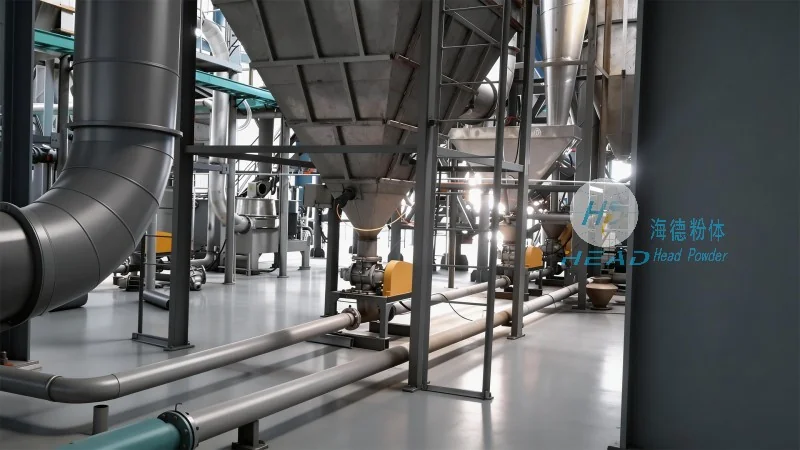
The design of a pneumatic conveying line for battery positive electrode materials involves several critical components, each playing a vital role in the overall operation. The hopper serves as the storage container, holding the raw materials securely. A feeder, often a rotary valve or a screw feeder, regulates the flow of material into the conveying line, ensuring a consistent and controlled discharge rate. The conveying line itself is made of materials resistant to corrosion and abrasion, such as stainless steel or special alloys, to withstand the harsh nature of battery materials. The receiver is the final destination where the material is deposited, and it may include features like a dust collection system to maintain air quality. Additionally, the system may incorporate filters and cyclones to separate any fine particles from the air stream, preventing contamination and ensuring compliance with environmental regulations.
Design Principles for Optimal Performance
The design of a pneumatic conveying line for battery positive electrode materials is guided by several key principles to ensure efficiency, reliability, and safety. First, the system must be designed to handle the specific properties of the materials, including their particle size, density, and flowability. For example, cohesive or fine powders may require a higher air velocity or a different conveying method, such as a dense phase or dilute phase system. The choice between these methods depends on the material's characteristics and the desired conveying distance. Second, the system must be constructed to minimize material degradation and contamination. This includes using materials that are non-reactive with the battery components and incorporating features like air filtration and particle separation. Third, the system should be designed for easy maintenance and cleaning to prevent cross-contamination between batches. This may involve features like quick-release connections and easy-to-clean components. Finally, the system must comply with safety standards, including explosion-proof designs for handling potentially flammable materials and proper ventilation to prevent dust accumulation.
Benefits of Using a Pneumatic Conveying Line
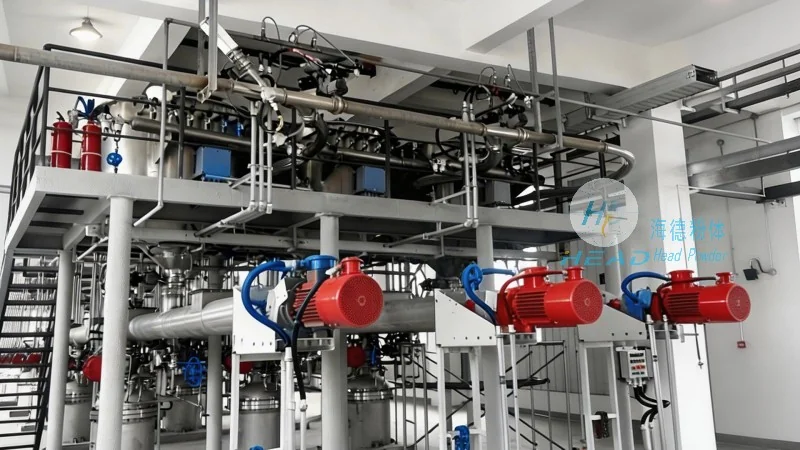
Implementing a pneumatic conveying line for battery positive electrode materials offers several advantages over traditional mechanical conveyors. One of the primary benefits is the ability to maintain a dust-free environment, which is critical for battery manufacturing where contamination can affect the performance and lifespan of the final product. The closed-loop system also reduces the risk of material loss and spillage, improving overall material efficiency. Additionally, pneumatic conveying systems can handle a wide range of material types and sizes, making them versatile for different production needs. The system's compact design allows for space-saving installation, which is particularly beneficial in facilities with limited floor space. Furthermore, the system can be integrated with other production equipment, such as mixers or coating machines, to create a seamless production line, enhancing overall operational efficiency.
Company Overview: Shandong HeadPowder Engineering Co., Ltd.
Shandong HeadPowder Engineering Co., Ltd., a leading manufacturer in the field, specializes in designing and manufacturing pneumatic conveying systems tailored to the battery industry. With years of experience and a deep understanding of the unique requirements of battery material handling, the company provides customized solutions that meet the specific needs of its clients. The company's facilities are located in Shandong, China, where it leverages advanced technology and skilled engineering to develop high-quality systems. By focusing on quality, reliability, and customer satisfaction, Shandong HeadPowder Engineering Co., Ltd. has established itself as a trusted partner for battery manufacturers seeking efficient and effective material handling solutions.