

What is a Small Gravel Powder Pneumatic Conveying Machine? And What Are Its Design Principles?
For industries dealing with small gravel and powder materials, efficient material handling is crucial. A small gravel powder pneumatic conveying machine is a specialized equipment designed to transport these fine or granular materials using air pressure. This technology offers a dust-free, flexible, and often more cost-effective alternative to traditional mechanical conveying systems. In this article, we will explore what these machines are and delve into their core design principles, with insights from Shandong HeadPowder Engineering Co., Ltd. (HeadPowder), a leading manufacturer based in Shandong, China.
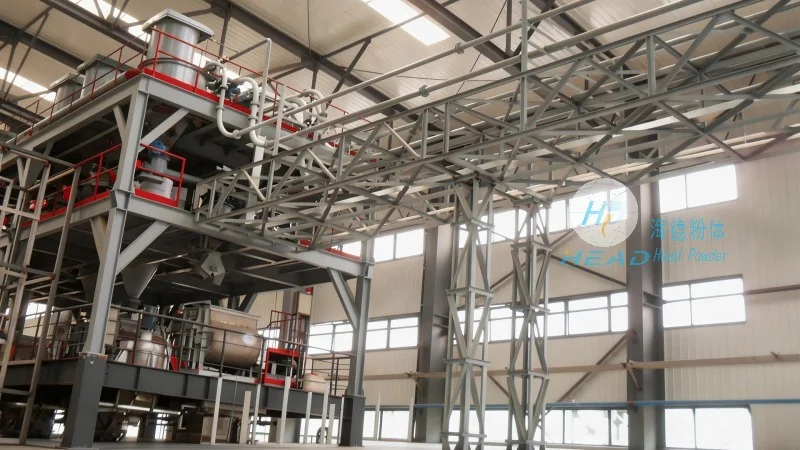
Understanding the Core Function of Pneumatic Conveying Systems
At its essence, a pneumatic conveying machine operates by creating a flow of air that transports the material through a pipeline. The system typically consists of a hopper for material storage, a blower or compressor to generate the air flow, and a pipeline network that directs the material to its destination. For small gravel and powder applications, the design must account for the specific characteristics of these materials—such as their size, density, and moisture content—to ensure optimal performance. The goal is to achieve a smooth, continuous flow without clogging or degradation of the material.
Key Design Principles of Small Gravel Powder Pneumatic Conveying Machines
The design of a small gravel powder pneumatic conveying machine involves several critical principles that ensure its effectiveness. First, the selection of the right air velocity is paramount. The velocity must be high enough to overcome the material's resistance to flow but low enough to prevent excessive wear on the equipment and to avoid material degradation. Engineers at Shandong HeadPowder Engineering Co., Ltd. carefully calculate the air velocity based on the material's properties and the pipeline length to achieve the desired conveying efficiency.
Second, the system's pressure and vacuum levels are carefully managed. Depending on the application, the machine may operate under positive pressure (where air pushes the material forward) or negative pressure (where air pulls the material through the pipeline). The choice of pressure type affects the system's energy consumption and the risk of dust leakage. For small gravel and powder, positive pressure systems are often preferred as they provide better control over material flow and reduce the likelihood of material buildup in the pipeline.
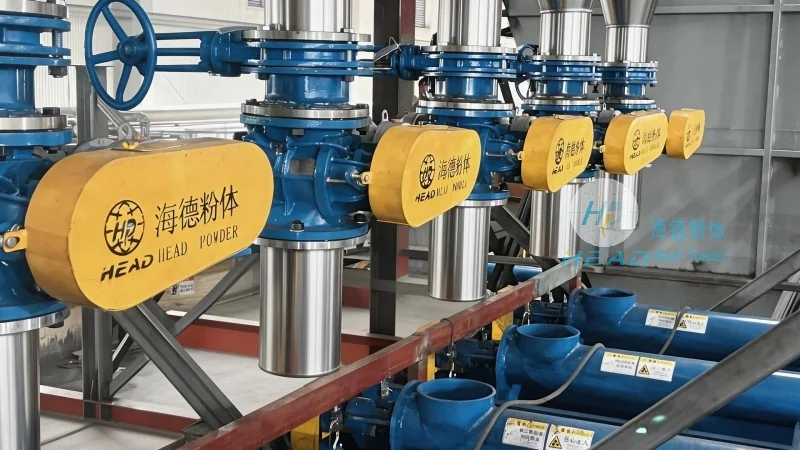
Third, the design incorporates features to minimize material degradation and maintain product quality. This includes using smooth, non-abrasive pipeline materials, such as stainless steel or plastic, and incorporating components like cyclones or filters to separate the material from the air stream. The equipment is also designed with easy access points for maintenance and cleaning, ensuring long-term reliability. Shandong HeadPowder Engineering Co., Ltd. emphasizes these design aspects to deliver machines that meet the highest standards of performance and durability.
Components and Structure of the Conveying Machine
A typical small gravel powder pneumatic conveying machine consists of several key components, each playing a vital role in the overall operation. The hopper, where the material is loaded, is designed with a wide opening to facilitate easy material feeding and to prevent material bridging. The blower or compressor provides the necessary air pressure, with options ranging from rotary lobe blowers to centrifugal compressors, depending on the system's requirements. The pipeline network connects the hopper to the discharge point and may include bends, elbows, and expansion joints to accommodate changes in direction and pressure.
For small gravel and powder, the pipeline diameter is a critical design parameter. A smaller diameter may reduce energy consumption but increase the risk of clogging, while a larger diameter may improve flow but require more space and energy. Shandong HeadPowder Engineering Co., Ltd. selects the appropriate pipeline size based on the material's flow characteristics and the system's capacity. Additionally, the system may include a filter or cyclone at the discharge end to separate the material from the air, ensuring that the material is delivered in a clean, dry state and that the air is safely vented or recycled.
Advantages of Using Small Gravel Powder Pneumatic Conveying Machines
Compared to traditional mechanical conveying methods, small gravel powder pneumatic conveying machines offer several advantages. First, they are dust-free, which is particularly important for materials that are hazardous or require a clean environment. This reduces the risk of dust explosions and improves workplace safety. Second, the system is flexible and can be easily reconfigured to accommodate changes in production needs or material types. The pipelines can be extended or repositioned without major modifications to the equipment. Third, pneumatic conveying systems are often more energy-efficient than mechanical systems, especially for long-distance or high-volume applications. The air flow can be adjusted to match the material's flow rate, minimizing energy waste.
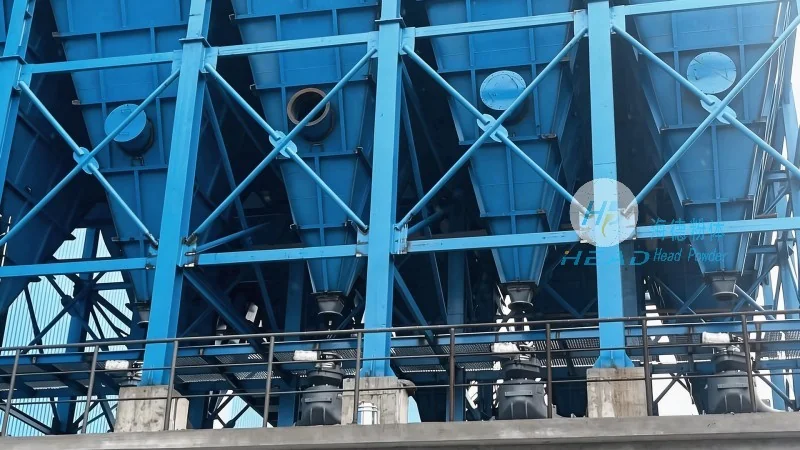
Another advantage is the ability to handle a wide range of materials, from fine powders to small gravel particles. The design of the machine can be tailored to the specific characteristics of the material, ensuring optimal performance. Shandong HeadPowder Engineering Co., Ltd. specializes in customizing these machines to meet the unique needs of their clients, providing solutions that are both efficient and cost-effective.
Applications and Industries
Small gravel powder pneumatic conveying machines are widely used in various industries, including food processing, pharmaceuticals, chemicals, and mining. In the food industry, for example, they are used to transport ingredients like flour, sugar, and spices without contamination or degradation. In the pharmaceutical industry, the dust-free operation is essential to maintain product purity and comply with regulatory standards. In the chemical industry, the system can handle hazardous materials safely, reducing the risk of accidents. The mining industry uses these machines to transport ore and other materials from mines to processing facilities.
Shandong HeadPowder Engineering Co., Ltd. has successfully implemented these machines in numerous applications, helping clients improve their material handling processes and increase productivity. The company's expertise in designing and manufacturing pneumatic conveying systems has made them a trusted partner for businesses looking to optimize their operations.