

What is a Textile Fiber Powder Pneumatic Conveying System? And What Are Its Design Principles?
A textile fiber powder pneumatic conveying system is a specialized industrial equipment designed to transport loose, fine particles such as textile fibers, powders, or granules through a pipeline using compressed air or other gas streams. This technology is widely used in the textile, chemical, and food processing industries due to its efficiency in handling delicate materials without causing damage or contamination. The system typically consists of several key components, including a material hopper, a conveying pipeline, a blower or compressor, and a receiver for the transported material. Each component plays a crucial role in ensuring the smooth and reliable operation of the system. Such systems are often engineered by companies like Shandong HeadPowder Engineering Co., Ltd., a leading manufacturer based in Shandong, China, specializing in advanced material handling solutions for the textile industry.
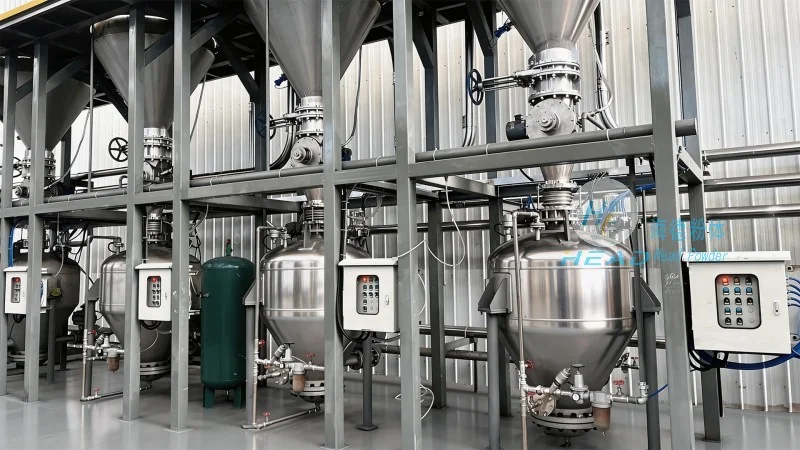
Key Components of a Textile Fiber Powder Pneumatic Conveying System
The material hopper is the initial component where the textile fibers or powders are stored before being fed into the conveying system. It is designed to maintain a consistent material level and prevent blockages. The hopper is often equipped with a feeder, such as a rotary valve or a screw feeder, which controls the flow rate of the material into the pipeline. The conveying pipeline is made of materials like stainless steel or plastic, chosen for their resistance to corrosion and wear from the abrasive textile fibers. The blower or compressor provides the necessary pressure and airflow to move the material through the pipeline. The receiver is the final component where the material is deposited after being conveyed, and it is designed to minimize dust and ensure clean handling.
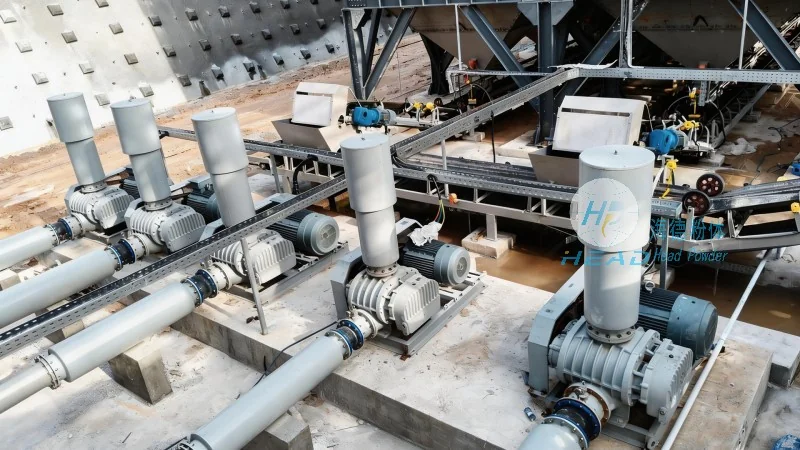
Design Principles for Efficient Pneumatic Conveying
The design of a textile fiber powder pneumatic conveying system follows several fundamental principles to ensure optimal performance. The first principle is maintaining a consistent air velocity within the pipeline, which is critical for preventing material settling or blockages. The air velocity must be sufficient to keep the particles suspended but not so high as to cause excessive wear on the pipeline or components. The second principle is the proper sizing of the pipeline and components. The diameter of the pipeline is determined based on the material's flow properties and the required conveying rate. The blower's capacity is matched to the system's needs to provide adequate pressure and airflow. The third principle is the use of appropriate materials for the components. Since textile fibers can be abrasive, the pipeline and hopper are often made of stainless steel or high-quality plastic to withstand wear and prevent contamination. The system also incorporates features like pulse-jet cleaning to maintain the cleanliness of the pipeline and prevent material buildup.
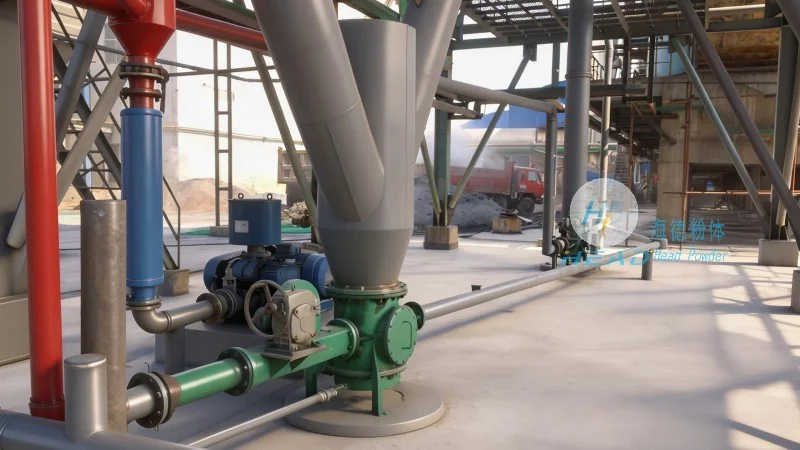
Applications in the Textile Industry
Textile fiber powder pneumatic conveying systems are widely used in various applications within the textile industry. One common application is the transport of raw materials such as cotton, polyester, or nylon fibers from storage silos to processing machines. The system allows for the efficient and dust-free transfer of these materials, reducing the risk of contamination and improving product quality. Another application is the handling of waste fibers or byproducts from textile manufacturing processes. The system can collect and transport these materials to recycling or disposal facilities, ensuring a clean and organized production environment. Additionally, the system is used in the production of nonwoven fabrics, where fine fibers are conveyed to form the base material. The consistent and controlled transport of fibers is essential for achieving uniform fabric properties.
Advantages of Pneumatic Conveying for Textile Fibers
Compared to traditional methods like belt conveyors or bucket elevators, pneumatic conveying offers several advantages for handling textile fibers. The primary advantage is the ability to transport materials in a closed system, which prevents dust and contamination from entering the environment. This is particularly important for textile fibers, which can be allergenic or cause respiratory issues if not handled properly. The closed system also helps maintain the quality of the fibers, as they are not exposed to moisture or other contaminants during transport. Another advantage is the flexibility of the system, as it can be easily adjusted to handle different types of fibers or varying flow rates. The system can be scaled up or down to meet the needs of different production facilities, making it a versatile solution for textile manufacturers. Additionally, pneumatic conveying is energy-efficient compared to other methods, as it uses less power to transport materials over short distances. The system also reduces labor costs by automating the material handling process, allowing workers to focus on other tasks.
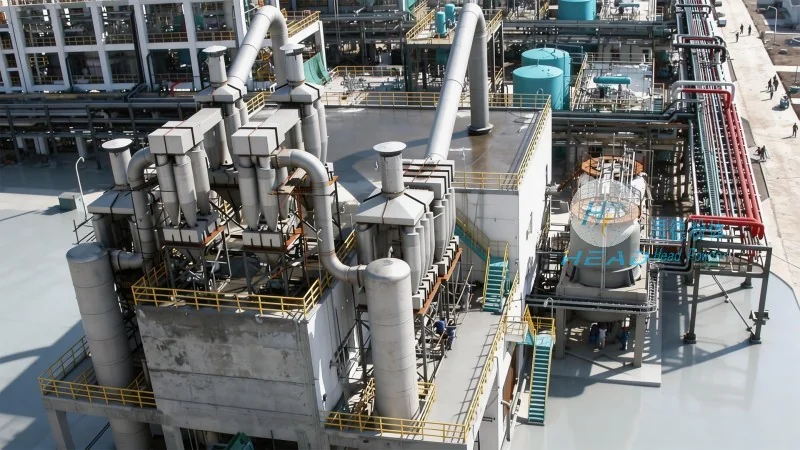
Considerations for System Design and Installation
When designing and installing a textile fiber powder pneumatic conveying system, several factors must be considered to ensure optimal performance and longevity. The first consideration is the material's properties, such as its particle size, density, and moisture content. These factors affect the system's design, including the pipeline diameter, air velocity, and blower capacity. The second consideration is the system's capacity, which must be matched to the production needs of the facility. The system should be able to handle the required flow rate of material without causing bottlenecks or blockages. The third consideration is the environmental impact, as the system must comply with local regulations regarding dust emissions and noise levels. The use of dust collection systems and noise-reducing components is essential to minimize the system's environmental footprint. The fourth consideration is the maintenance requirements, as the system's components, such as the pipeline and blower, require regular cleaning and inspection to prevent wear and tear. Proper maintenance can extend the system's lifespan and reduce downtime.