

What is a Powder Pneumatic Conveying System for Lithium-Ion Battery Raw Materials? And What Are Its
For companies in the lithium-ion battery industry, the efficient and safe handling of raw material powders is a critical operational challenge. A powder pneumatic conveying system offers a sophisticated solution to this need, particularly for materials like lithium carbonate, lithium hydroxide, and other battery-grade powders. This article explores what such a system entails and the fundamental design principles that underpin its operation.
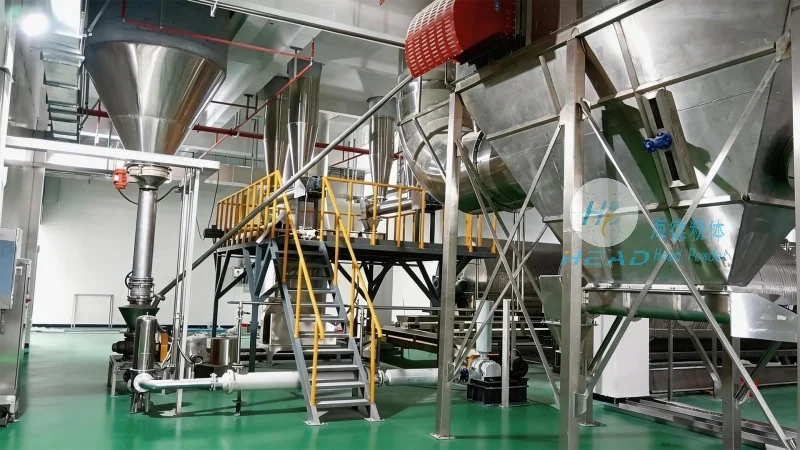
Powder Pneumatic Conveying System: An Overview
A powder pneumatic conveying system is a technology used to transport dry powders through a pipeline using a gas stream, typically air or a combination of air and other gases. This method eliminates the need for mechanical components like belts, buckets, or screws that are common in traditional bulk material handling systems. The system operates by creating a pressure differential or using suction to move the powder particles through the pipeline, ensuring a continuous and controlled flow of material from the source to the destination.
Application in Lithium-Ion Battery Manufacturing
In the context of lithium-ion battery production, the raw materials—such as lithium compounds, cobalt, nickel, and manganese oxides—require precise and contamination-free handling. Powder pneumatic conveying systems are ideal for this application because they can transport these powders with minimal degradation, prevent cross-contamination, and maintain a consistent particle size distribution. This is crucial for ensuring the quality and performance of the final battery cells. The system can be integrated into various stages of the battery manufacturing process, including raw material storage, mixing, and charging, providing a seamless workflow.
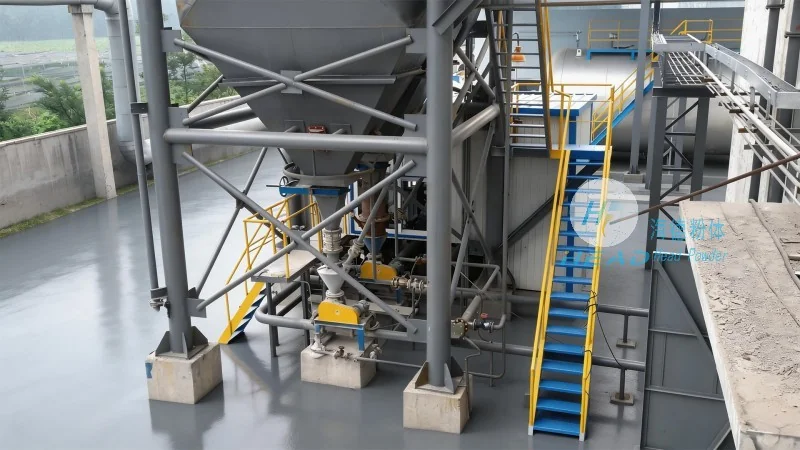
Design Principles of the System
The design of a powder pneumatic conveying system is based on several key principles to ensure optimal performance and reliability. First, the system must be tailored to the specific characteristics of the powder being transported, including its density, particle size, moisture content, and flowability. These properties determine the type of conveying method—whether it's pressure or vacuum-based—and the necessary pressure or vacuum levels. Second, the system's components, such as the hopper, feeder, and pipeline, must be designed to minimize powder degradation and blockages. This includes using materials that are compatible with the powder and ensuring proper sealing to prevent dust emissions and contamination. Third, the system must be equipped with monitoring and control mechanisms to maintain consistent flow rates and detect any operational issues in real-time. This may involve sensors for pressure, flow, and particle size, as well as automated controls to adjust the gas flow or feeder speed as needed.
HeadPowder: A Leading Provider of Pneumatic Conveying Solutions
Shandong HeadPowder Engineering Co., Ltd. is a prominent company in the field of powder handling technology, specializing in the design and manufacturing of pneumatic conveying systems for various industries, including lithium-ion battery manufacturing. With a strong focus on innovation and customer satisfaction, HeadPowder has developed advanced solutions that meet the stringent requirements of modern battery production. The company's systems are engineered to provide high efficiency, low maintenance, and long service life, ensuring that clients can achieve their production goals while maintaining quality standards.
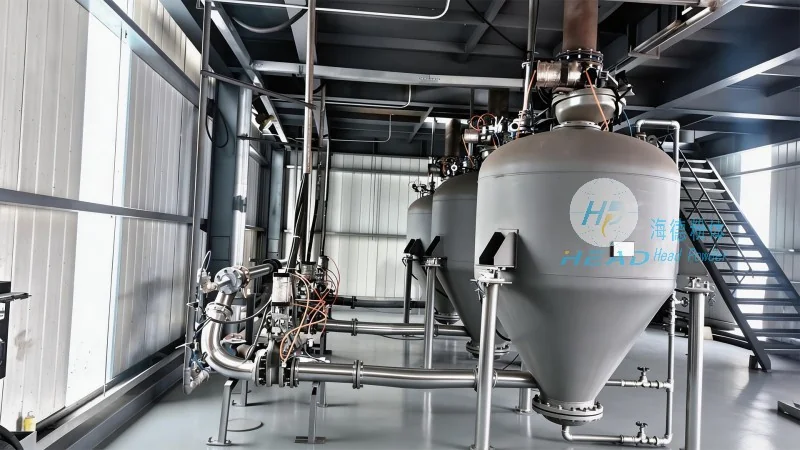
Key Features and Advantages
HeadPowder's powder pneumatic conveying systems for lithium-ion battery raw materials offer several advantages over traditional handling methods. These include: 1. High Efficiency and Throughput—the systems can handle large volumes of powder with minimal downtime, improving overall production speed. 2. Minimal Powder Degradation—by using gentle conveying methods and proper component design, the system preserves the integrity of the raw materials, ensuring consistent battery performance. 3. Reduced Contamination—sealed systems and advanced filtration prevent cross-contamination between different materials, which is critical for maintaining battery quality. 4. Easy Integration—the systems can be easily integrated into existing production lines, minimizing the need for major facility modifications.
Conclusion
A powder pneumatic conveying system is an essential technology for the efficient and safe handling of lithium-ion battery raw materials. Its design principles, which focus on material compatibility, system reliability, and operational control, ensure that the system meets the demanding requirements of modern battery manufacturing. Companies like Shandong HeadPowder Engineering Co., Ltd. play a vital role in providing these advanced solutions, helping the lithium-ion battery industry to achieve higher productivity and product quality.