

What is a Denitrification Urea Powder Pneumatic Conveying System? And What Are Its Design Principles
HeadPowder, a leading engineering company based in Shandong, China, specializes in the design and implementation of advanced pneumatic conveying systems for industrial applications. One of their key offerings is the denitrification urea powder pneumatic conveying system, which plays a crucial role in the efficient handling of urea, a vital fertilizer and industrial chemical.
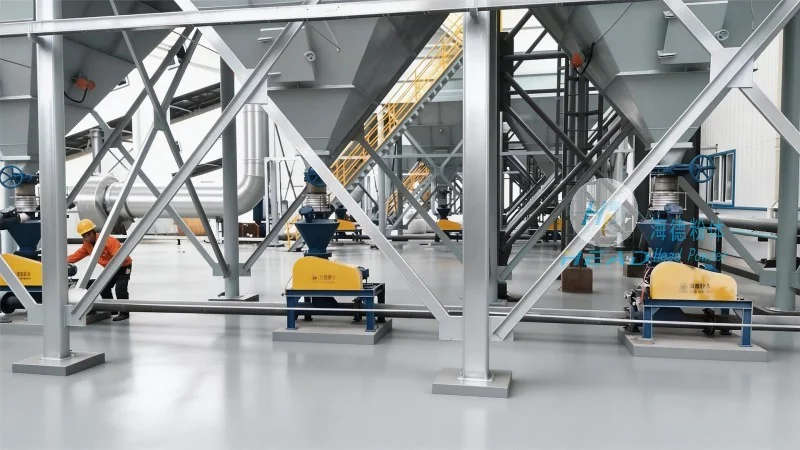
Understanding the Denitrification Urea Powder Pneumatic Conveying System
The denitrification urea powder pneumatic conveying system is a specialized equipment designed to transport urea powder, which is often used in industrial processes such as denitrification, a critical step in reducing nitrogen oxide emissions from power plants and other industrial facilities. This system combines the principles of pneumatic conveying with advanced material handling technology to ensure safe, efficient, and reliable transport of urea powder over long distances or within complex industrial setups.
Key Components and Design Principles
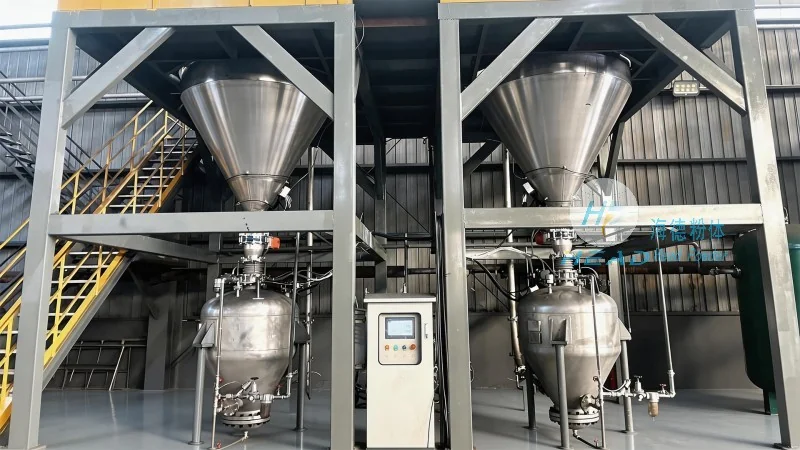
The system's design is built upon several core components that work in synergy to achieve optimal performance. The primary components include a hopper for material storage, a feeder to control the flow rate, a conveying line (often equipped with airlocks or rotary valves), and a receiver for the discharged material. The design principles focus on maintaining material integrity, minimizing product degradation, and ensuring consistent flow rates, which are essential for processes like denitrification where the quality of urea is paramount.
How the System Operates
The operation of the denitrification urea powder pneumatic conveying system involves a series of steps that ensure efficient material transport. Initially, urea powder is fed from the storage hopper into the feeder, which regulates the flow based on the system's requirements. Simultaneously, compressed air is introduced into the conveying line, creating a pressure differential that propels the powder through the system. The air and powder mixture travels through the conveying line, passing through any necessary components like airlocks or rotary valves to maintain a consistent flow. Upon reaching the receiver, the air is separated from the urea powder, and the powder is discharged for further processing or use in denitrification applications. This process is typically automated, allowing for precise control over the flow rate and ensuring minimal human intervention.
Advantages of the System
Implementing a denitrification urea powder pneumatic conveying system offers several advantages for industrial operations. Firstly, it provides a dust-free and hygienic method of transporting urea powder, which is crucial for maintaining product quality and preventing contamination. Secondly, the system is highly efficient, capable of transporting large quantities of material over long distances with minimal energy consumption compared to traditional methods like belt conveyors or bucket elevators. Additionally, the design allows for easy integration into existing industrial facilities, reducing the need for extensive modifications. The system also enhances safety by eliminating the need for manual handling of bulk materials, reducing the risk of accidents and exposure to dust.
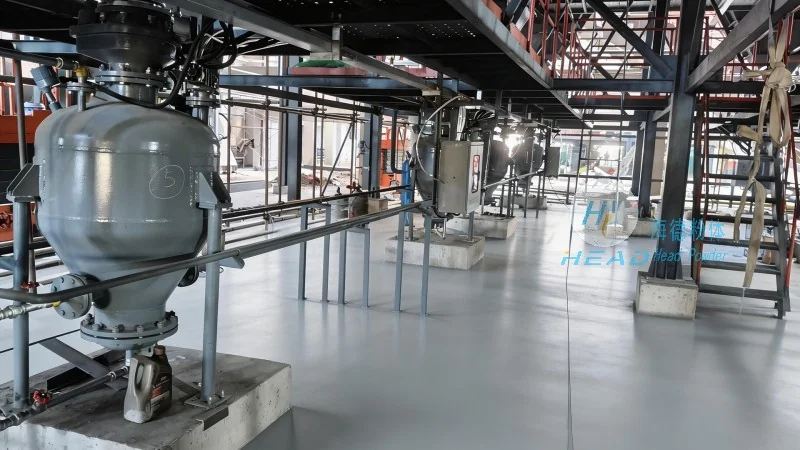
Applications in Denitrification Processes
In the context of denitrification, the denitrification urea powder pneumatic conveying system is integral to the process of injecting urea into flue gas streams to reduce nitrogen oxide emissions. The system ensures that urea is delivered to the denitrification reactor in a controlled and consistent manner, which is critical for achieving optimal reduction rates. The ability to handle urea powder efficiently and reliably ensures that the denitrification process operates smoothly, contributing to lower emissions and compliance with environmental regulations. The system's design also allows for flexibility in handling different urea grades and particle sizes, making it suitable for various industrial applications.
Customization and Integration
HeadPowder understands that each industrial facility has unique requirements, and therefore, they offer customized solutions for denitrification urea powder pneumatic conveying systems. The company works closely with clients to assess their specific needs, including the scale of operation, material characteristics, and integration with existing equipment. Customization may involve adjusting the conveying line length, modifying the hopper size, or incorporating additional components such as filters or cyclones to enhance performance. The goal is to provide a system that not only meets the operational requirements but also ensures long-term reliability and cost-effectiveness. HeadPowder's expertise in engineering and material handling allows them to deliver tailored solutions that enhance the efficiency and effectiveness of denitrification processes.