Small bag loading material handling equipment is a specialized system engineered to efficiently transfer bulk materials from packaged bags into processing or storage systems. This equipment is essential in industries where raw materials are delivered in small bags, such as chemicals, food processing, and pharmaceuticals. The primary objective is to automate the material transfer process, reducing manual labor and enhancing operational efficiency while maintaining material integrity and safety.
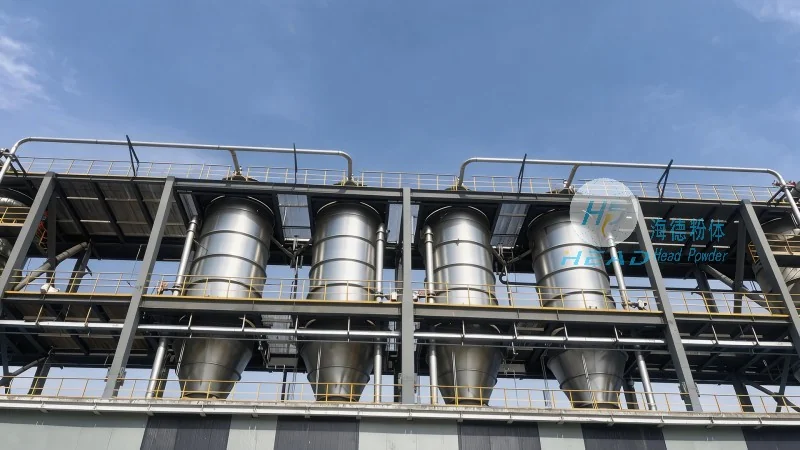
Key Components of Small Bag Loading Equipment
The core components of small bag loading material handling equipment typically include a hopper or receiving bin, a feeding mechanism, and a discharge system. The hopper is designed to hold the incoming bags and facilitate their opening and emptying. The feeding mechanism, often a conveyor or screw feeder, moves the material from the hopper to the processing line. The discharge system may involve a valve or gate to control the flow of material into the next stage of production. Each component is engineered to handle the specific characteristics of the material being transferred, such as particle size, moisture content, and bulk density, ensuring consistent and reliable operation.
Design Principles for Efficient Material Transfer
The design principles of small bag loading equipment focus on maximizing throughput while minimizing downtime and material loss. One key principle is the use of a robust hopper design that can accommodate various bag sizes and types, ensuring consistent material flow. The feeding mechanism is often equipped with adjustable speed controls to match the processing capacity of downstream equipment. Additionally, the system may include features like bag opening mechanisms (e.g., cutting or tearing tools) and bag emptying systems (e.g., vacuum or pressure-assisted) to ensure complete material extraction. These design elements work in concert to create a seamless material transfer process from the bag to the processing line, minimizing waste and optimizing productivity.
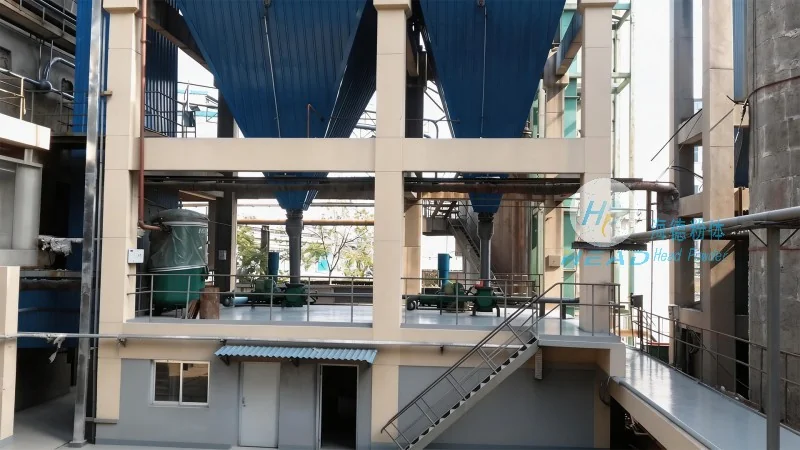
Operational Advantages of Small Bag Loading Systems
Implementing small bag loading material handling equipment offers several operational advantages. First, it significantly reduces the risk of material contamination, as the system is enclosed and sealed, preventing exposure to dust or external elements. Second, it improves safety by minimizing manual handling of heavy or bulky bags, reducing the risk of workplace injuries. Third, the automation of the process increases production consistency and reduces human error, leading to higher quality output. Furthermore, these systems can be integrated with other equipment, such as weighing scales or quality control devices, to create a fully automated material handling line. The result is a more streamlined operation that enhances overall productivity and reduces labor costs, making them a valuable investment for businesses looking to optimize their material handling processes.
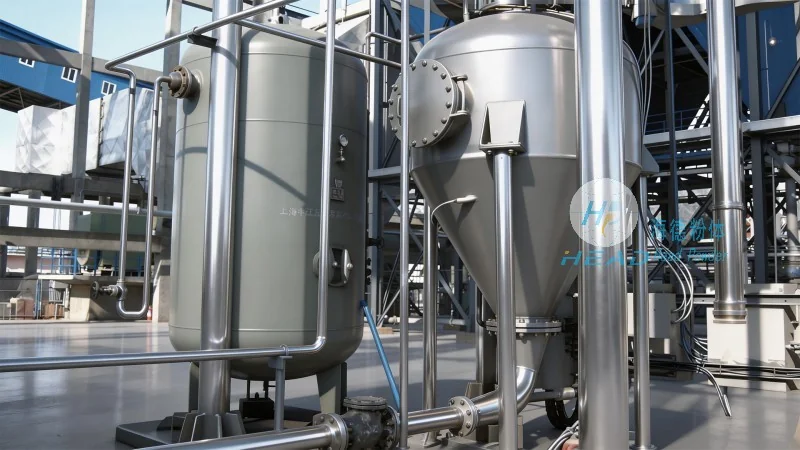
Customization and Scalability
Small bag loading material handling equipment from Shandong HeadPowder Engineering Co., Ltd. is designed with customization and scalability in mind. The company, a leading manufacturer in the field, offers tailored solutions to meet the specific needs of different industries. Whether the application involves handling fine powders, granules, or bulk solids, the equipment can be adjusted to accommodate varying material properties. The systems are also scalable, allowing businesses to start with a basic unit and expand as production needs grow. This flexibility ensures that the equipment remains a viable investment for both small and large-scale operations, adapting to changing production demands over time.
Maintenance and Reliability
Reliability is a critical factor in the design of small bag loading material handling equipment. The components are constructed from durable materials, such as stainless steel, to withstand the rigors of continuous operation. Regular maintenance is essential to ensure optimal performance, and the equipment is designed with easy access to key parts for routine checks and cleaning. The manufacturer, Shandong HeadPowder Engineering Co., Ltd., provides comprehensive maintenance services and spare parts to support their customers. This commitment to reliability ensures that the equipment operates efficiently over its lifespan, minimizing downtime and maximizing return on investment. By prioritizing durability and ease of maintenance, the equipment delivers consistent performance, supporting long-term operational success.




