

What is a Light Calcium Material Conveying Line? What are its Design Principles?
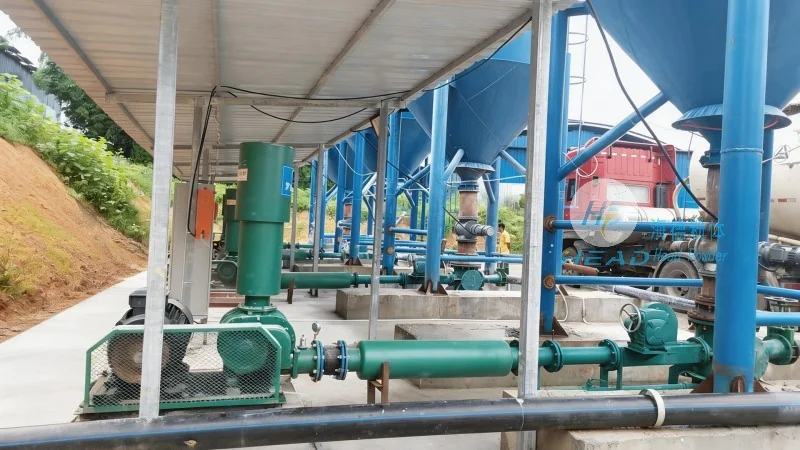
Light calcium material conveying lines are specialized industrial systems engineered to efficiently transport light calcium materials, such as calcium carbonate, through various processing stages. These systems are crucial in industries like chemical manufacturing, food processing, and pharmaceuticals, where the reliable and efficient handling of light calcium powders is essential for maintaining product quality and operational efficiency.
Introduction to Light Calcium Material Conveying Lines
Light calcium material conveying lines, also known as light calcium powder conveying systems, are engineered to handle the unique characteristics of light calcium materials. These materials are typically fine powders with low density and high flowability, which can pose challenges in traditional conveying methods. The design of these lines addresses these challenges by incorporating advanced technologies and components to ensure smooth, consistent, and safe material transport. The core objective of such systems is to minimize material degradation, prevent dust generation, and optimize the overall processing workflow.
About HeadPowder: Your Trusted Partner in Material Handling Solutions
HeadPowder, or Shandong HeadPowder Engineering Co., Ltd., is a leading manufacturer and supplier of advanced material conveying equipment. With a strong presence in China, particularly in Shandong, the company specializes in developing customized solutions tailored to the specific needs of light calcium processing industries. HeadPowder's expertise lies in integrating cutting-edge technologies with robust engineering to deliver high-performance conveying lines that meet stringent industry standards. The company's commitment to quality, innovation, and customer satisfaction has established it as a trusted partner for businesses seeking reliable material handling solutions.
Design Principles of Light Calcium Material Conveying Lines
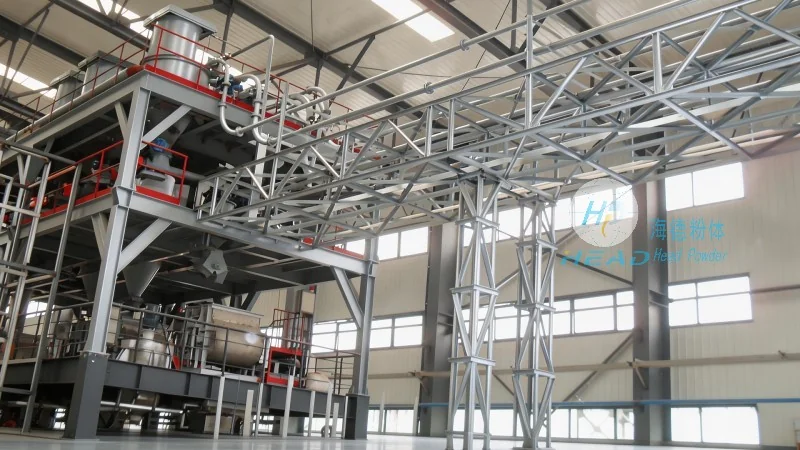
The design of light calcium material conveying lines is based on several key principles aimed at optimizing performance and ensuring durability. First, the system is designed to handle the low density and fine particle size of light calcium materials, which requires specialized components like low-pressure air blowers and flexible hoses or ducts to minimize pressure loss and maintain consistent flow. Second, the conveying line incorporates dust control measures, such as sealed housings and filtration systems, to prevent dust contamination and ensure a clean working environment. Third, the design emphasizes energy efficiency by using variable frequency drives (VFDs) to adjust motor speeds according to the material flow rate, reducing energy consumption and operational costs. Fourth, the system is constructed with corrosion-resistant materials to withstand the chemical properties of light calcium powders and the environmental conditions of industrial settings. Additionally, the design allows for easy maintenance and cleaning, with components that can be easily accessed and replaced to minimize downtime.
Key Components and Their Functions in Light Calcium Conveying Systems
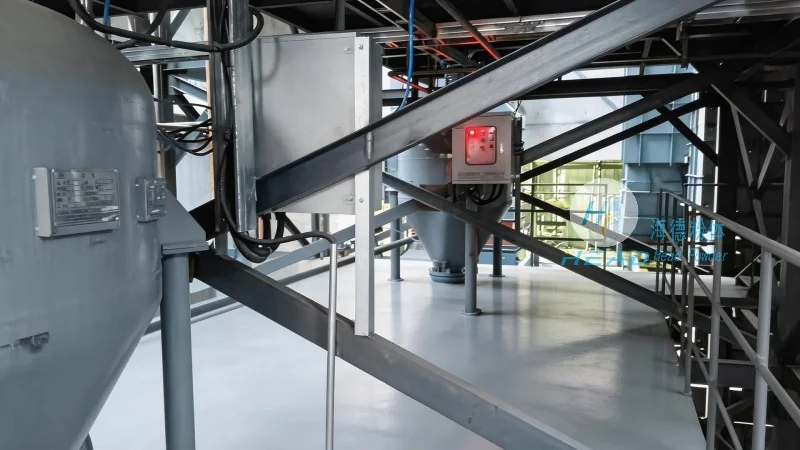
Light calcium material conveying lines typically consist of several key components, each playing a critical role in the overall operation. The primary components include a material hopper for storing the light calcium powder, an air blower or vacuum pump to generate the airflow for conveying, a conveying duct or hose to transport the material, and a discharge outlet for delivering the material to the next processing stage. The material hopper is designed with a sloped bottom and a discharge valve to ensure smooth material flow and prevent clogging. The air blower provides the necessary pressure or vacuum to move the light calcium powder through the duct, with adjustable settings to control the flow rate. The conveying duct is made of flexible or rigid materials, depending on the application, and is often lined with non-stick coatings to prevent material buildup. The discharge outlet is equipped with a filter or separator to remove any residual dust before the material is released. Additionally, the system may include a control panel with sensors and indicators to monitor the flow rate, pressure, and other operational parameters, ensuring the system operates within optimal conditions.
Advantages of Using Light Calcium Material Conveying Lines
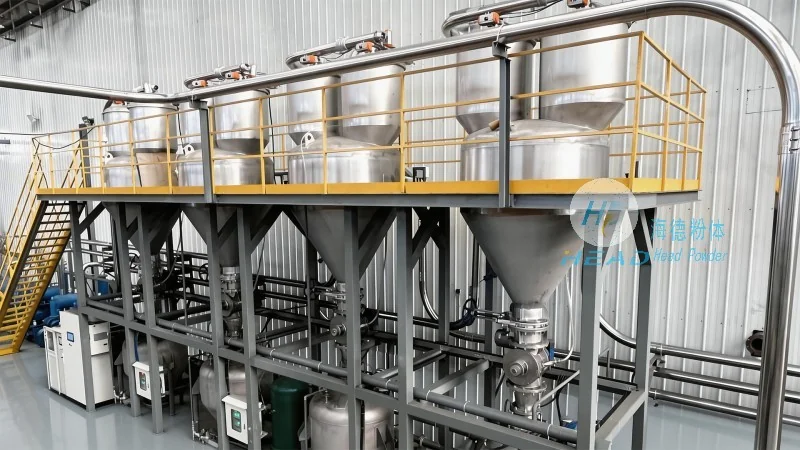
Implementing light calcium material conveying lines offers numerous advantages for industrial operations. Firstly, these systems significantly improve material handling efficiency by reducing the time and labor required for manual handling. The automated conveying process ensures consistent and uniform material flow, which is crucial for maintaining product quality and preventing batch variations. Secondly, the dust control measures incorporated into the design minimize the risk of dust exposure, enhancing workplace safety and compliance with environmental regulations. Thirdly, the energy-efficient design of the system reduces operational costs by optimizing energy consumption and lowering electricity bills. Fourthly, the robust construction and corrosion-resistant materials ensure long-term durability, minimizing maintenance and replacement costs over the system's lifespan. Finally, the customizable nature of the conveying line allows it to be tailored to specific production requirements, making it a versatile solution for various light calcium processing applications.
Conclusion: The Importance of Reliable Light Calcium Material Conveying Lines
In conclusion, light calcium material conveying lines are essential components in the processing of light calcium materials, providing efficient, safe, and reliable transport solutions. The design principles and components of these systems are carefully engineered to address the unique challenges of handling fine, low-density powders, ensuring optimal performance and minimal material degradation. With the expertise of companies like Shandong HeadPowder Engineering Co., Ltd., businesses can access high-quality conveying lines that meet their specific operational needs, enhancing productivity and maintaining product quality. As industries continue to demand more efficient and sustainable material handling solutions, the importance of well-designed light calcium material conveying lines will only grow, making them a critical investment for any light calcium processing operation.