

Principle and Working Scene Characteristics of Sugar Cane Pneumatic Conveying Lines
For industrial applications involving the handling of bulk materials like sugar cane, pneumatic conveying systems offer an efficient and reliable solution. This article explores the fundamental principles behind sugar cane pneumatic conveying lines and highlights the key characteristics of their operational scenarios, providing insights into how these systems enhance productivity and safety in processing environments.
Understanding the Core Principles of Sugar Cane Pneumatic Conveying
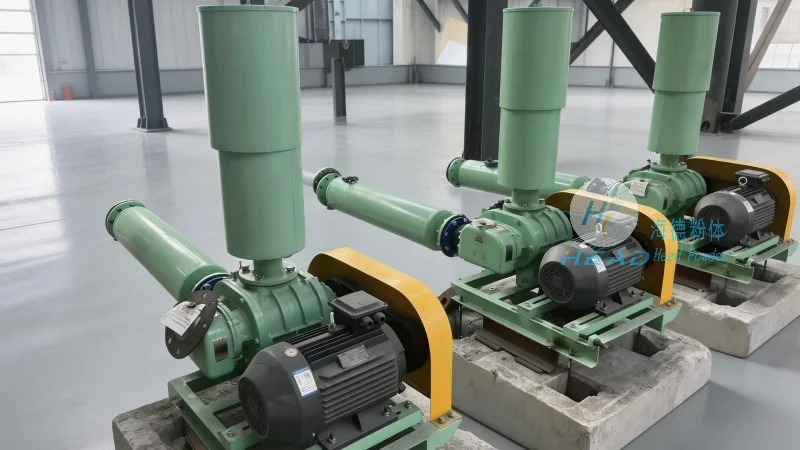
The operation of a sugar cane pneumatic conveying line is based on the fundamental principle of transporting bulk materials through a pipeline using a gas stream, typically air. There are two primary types of pneumatic conveying systems: positive pressure and negative pressure. Positive pressure systems generate air pressure within the pipeline, pushing the material forward, while negative pressure systems create a vacuum to draw material into the line. For sugar cane, which is a fibrous and abrasive material, the choice of system depends on factors such as material characteristics, distance, and required throughput. The conveying process involves several key components, including a feeder, a blower or vacuum pump, a pipeline network, and a discharge device. The feeder ensures a consistent flow of sugar cane into the system, while the blower provides the necessary air pressure or vacuum. The pipeline network transports the material from the feeder to the discharge point, and the discharge device controls the release of the material at the end of the line. The efficiency of the system is influenced by factors such as air velocity, material density, and pipeline diameter. Proper design and maintenance of these components are crucial to ensure optimal performance and minimize downtime.
Key Working Scene Characteristics of Sugar Cane Pneumatic Conveying Lines
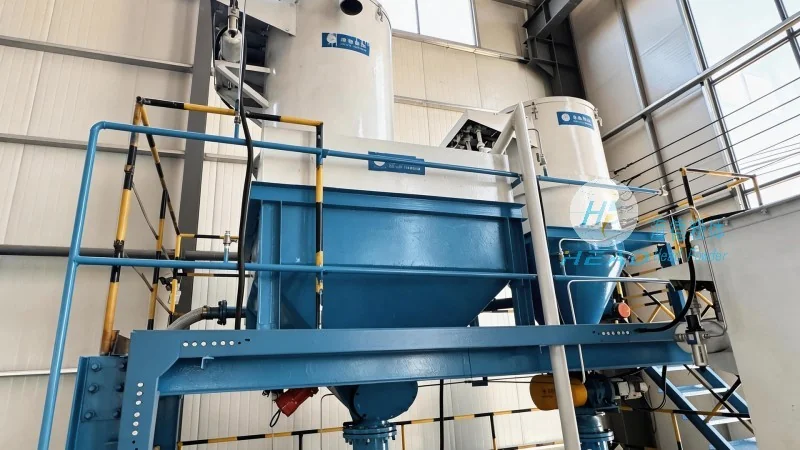
The operational characteristics of sugar cane pneumatic conveying lines vary significantly based on the specific application and environment. In sugar processing facilities, these systems are commonly used to transport raw sugar cane from storage areas to processing units, such as crushers or mills. The ability to handle large volumes of material over long distances makes pneumatic conveying an ideal choice for sugar mills, as it reduces the need for manual handling and minimizes the risk of material spillage or contamination. Another key application is the transfer of processed sugar products, such as raw sugar or refined sugar, from storage silos to packaging lines. The flexibility of pneumatic conveying allows for the integration of multiple processing stages, enabling a seamless flow of material throughout the production process. Additionally, these systems are used in agricultural settings where sugar cane is harvested and transported from fields to processing plants. The portability and adaptability of pneumatic conveying lines make them suitable for both fixed installations in industrial facilities and mobile setups in agricultural operations. The working scene characteristics also include considerations of environmental factors, such as temperature and humidity, which can affect the material's properties and the system's performance. Proper environmental control measures, such as temperature regulation and moisture management, are essential to maintain the quality of the sugar cane and the efficiency of the conveying process.
Benefits and Advantages in Practical Applications
Implementing sugar cane pneumatic conveying lines in industrial settings offers numerous benefits that contribute to improved operational efficiency and cost savings. One of the primary advantages is the reduction in labor costs, as automated systems handle the bulk material transport, reducing the need for manual labor and associated risks. The systems also minimize material loss and contamination, as the enclosed pipeline design prevents exposure to external elements and reduces the risk of spillage. This is particularly important for sugar cane, which is a high-value agricultural product that requires careful handling to maintain its quality. Another significant benefit is the increased throughput and productivity, as pneumatic conveying systems can transport large volumes of material at high speeds, compared to traditional methods like belt conveyors or trucks. The flexibility of these systems allows for easy integration with existing processing equipment, enabling manufacturers to adapt to changing production demands without significant modifications. Furthermore, the systems are designed to be low-maintenance, with components that are durable and resistant to wear and tear from the abrasive nature of sugar cane. This reduces the overall operational costs and ensures consistent performance over time. The safety features of pneumatic conveying lines, such as enclosed pipelines and controlled air flow, minimize the risk of accidents and injuries in the workplace, making them a preferred choice for industrial applications.
Conclusion and Company Overview
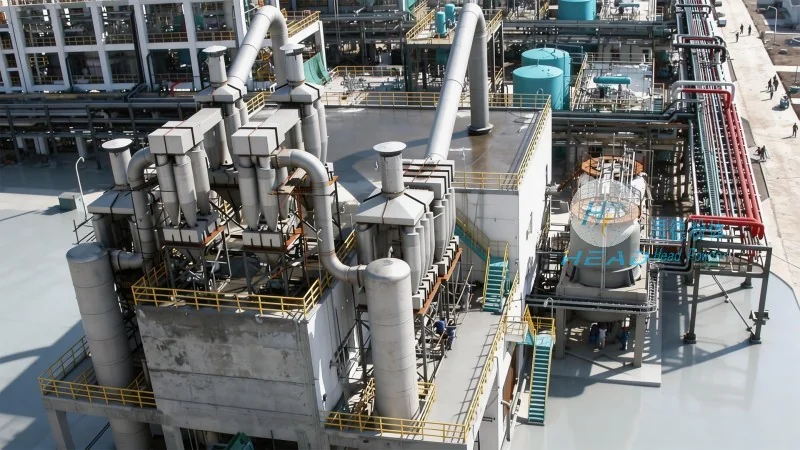
Sugar cane pneumatic conveying lines are a critical component in modern sugar processing and agricultural operations, providing efficient and reliable transport of bulk materials. The principles behind these systems, combined with their operational characteristics, make them an ideal solution for various applications, from raw material handling to finished product transfer. As a leading provider of engineering solutions, Shandong HeadPowder Engineering Co., Ltd., based in Shandong, China, specializes in designing and manufacturing customized pneumatic conveying systems tailored to the specific needs of sugar processing facilities. With a focus on innovation and quality, the company ensures that its products meet the highest standards of performance and safety, contributing to the efficiency and success of its clients' operations. By understanding the core principles and working scene characteristics of sugar cane pneumatic conveying lines, industries can leverage these systems to enhance productivity, reduce costs, and maintain the quality of their products.