

Principle and Working Scene Characteristics of Sawdust Particle Pneumatic Conveying Equipment
Shandong HeadPowder Engineering Co., Ltd. is a professional manufacturer specializing in pneumatic conveying equipment, with its headquarters located in Shandong, China. The company focuses on providing efficient and reliable solutions for material handling, particularly in the processing of sawdust and similar granular materials. This article explores the fundamental principles of sawdust particle pneumatic conveying equipment and highlights the key characteristics of its working environments.
Principle of Sawdust Particle Pneumatic Conveying Equipment
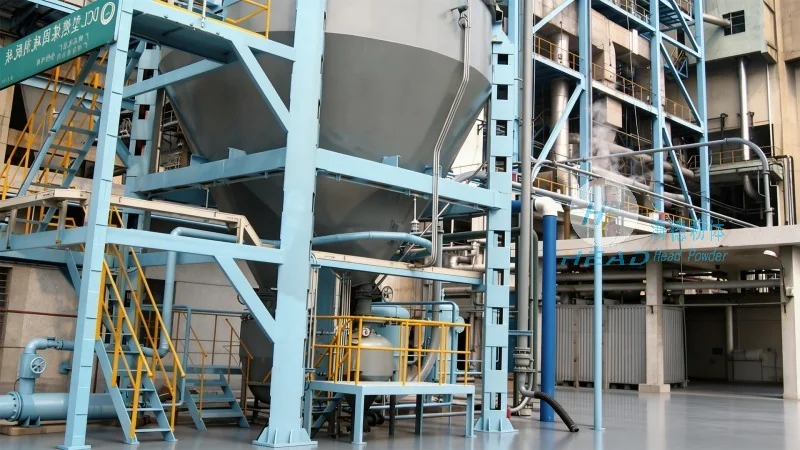
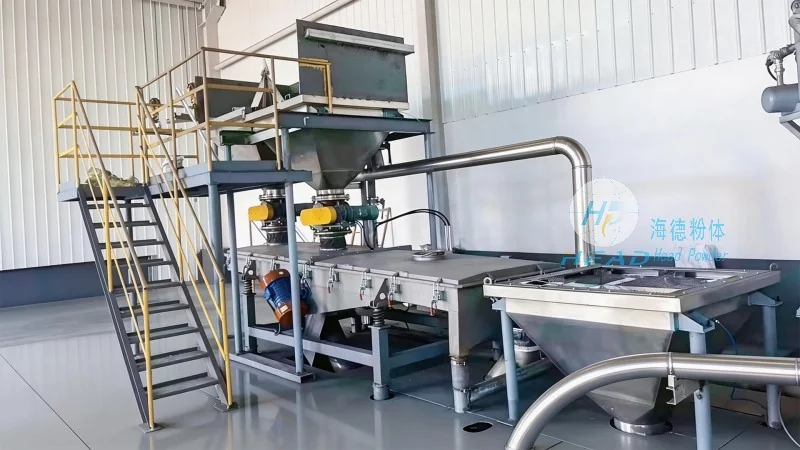
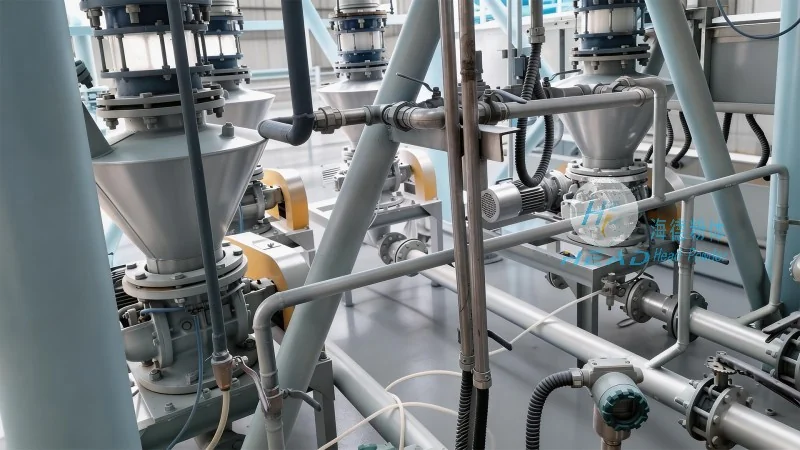
The sawdust particle pneumatic conveying equipment operates based on the fundamental principle of air flow to transport solid materials. It utilizes either a pressure system (where air is forced into the pipeline) or a vacuum system (where air is drawn out to create suction) to move sawdust particles through a closed pipeline network. The core components of this system include a feeding device, a conveying pipeline, a separation unit, and a discharge outlet. The feeding mechanism, often a hopper or a rotary valve, ensures uniform and controlled intake of sawdust particles, preventing blockages and maintaining consistent material flow. The conveying pipeline, typically made of stainless steel or other corrosion-resistant materials, is designed to withstand the pressure and friction of material transport. The separation unit, commonly a cyclone separator or a bag filter, plays a critical role in separating the conveyed sawdust from the air stream. This separation process allows for clean material discharge and the recycling of air, reducing operational costs and environmental impact.
Working Scene Characteristics of Sawdust Particle Pneumatic Conveying Equipment
The working scene characteristics of sawdust particle pneumatic conveying equipment are tailored to meet the demands of industrial applications involving sawdust processing. These characteristics include high efficiency in material transport, minimal material loss during conveying, and low maintenance requirements. The equipment is designed to handle a wide range of sawdust particle sizes and moisture contents, ensuring consistent performance regardless of material variations. A key advantage is the ability to transport sawdust over long distances with minimal energy consumption, making it suitable for large-scale processing plants. The working environment is typically clean and dust-free, as the separation unit effectively captures fine particles, preventing air pollution and maintaining operational safety. Additionally, the system offers flexibility in pipeline layout, allowing for horizontal, vertical, or combined conveying paths to suit specific plant layouts. This adaptability is crucial for integrating the equipment into existing production lines or new facility designs. The equipment also contributes to improved workplace safety by reducing manual handling of sawdust, which can be dusty and potentially hazardous. Overall, the working scene characteristics reflect a balance of efficiency, reliability, and environmental responsibility, making sawdust particle pneumatic conveying equipment a preferred choice in the wood processing and biomass energy sectors.