

Principles and Application Scenarios of Biomass Pneumatic Conveying Equipment
Biomass pneumatic conveying equipment is a critical component in the processing and handling of biomass materials, playing a vital role in the efficient and safe transportation of raw materials such as wood chips, straw, and other organic matter. This equipment utilizes air as the medium to transport bulk materials, offering a non-contact, low-cost, and flexible solution for material handling in various industrial applications.
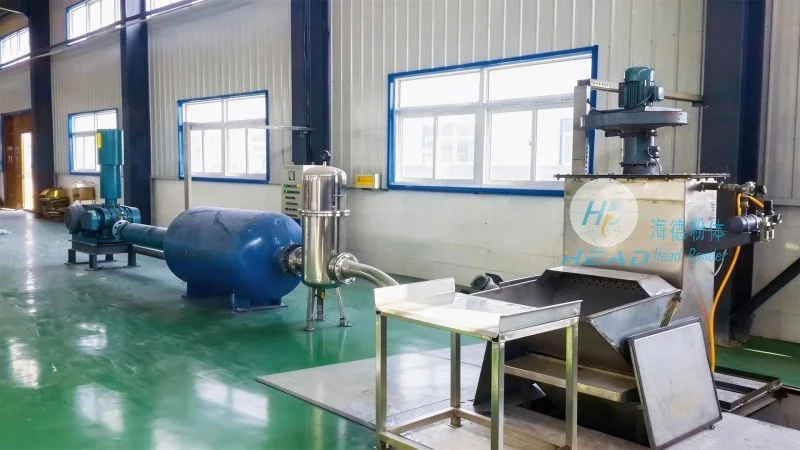
Working Principle of Biomass Pneumatic Conveying Equipment
The core principle of biomass pneumatic conveying systems is to use compressed air or vacuum to move solid particles through a pipeline. There are two main types of pneumatic conveying: suction conveying and pressure conveying. Suction conveying uses a vacuum pump to draw materials from the source into the pipeline, while pressure conveying uses a blower to push materials through the system. In biomass processing, these systems are often designed with features tailored to handle the specific characteristics of biomass, such as high moisture content, abrasive particles, and varying particle sizes.
Key Components and Their Functions
Biomass pneumatic conveying systems typically consist of several key components, each playing a crucial role in the overall operation. These include the material feeding device, which ensures a consistent flow of biomass into the system; the air supply unit, which provides the necessary pressure or vacuum; the conveying pipeline, which transports the material; and the material discharge device, which delivers the biomass to the target location. Additionally, components like filters, cyclones, and silencers are often included to manage dust, separate particles, and reduce noise, respectively. The design of these components is optimized to handle the unique challenges posed by biomass materials, ensuring reliable and efficient operation.
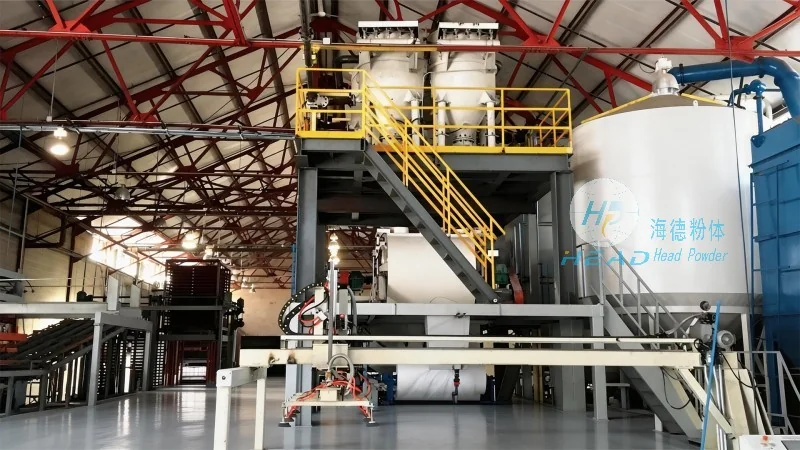
Application Scenarios and Industry Integration
Biomass pneumatic conveying equipment is widely used in various sectors of the biomass industry, including biomass power generation, biofuel production, and agricultural waste processing. In biomass power plants, for example, these systems are essential for transporting raw biomass from storage areas to the boiler or gasifier, where it is converted into energy. In biofuel facilities, they are used to move biomass from processing units to storage or further treatment stages. The equipment is also applied in agricultural settings, such as farms and processing plants, where it helps in the efficient handling of straw, corn stalks, and other agricultural residues. The adaptability of biomass pneumatic conveying systems allows them to be integrated into existing production lines with minimal disruption, enhancing overall operational efficiency.
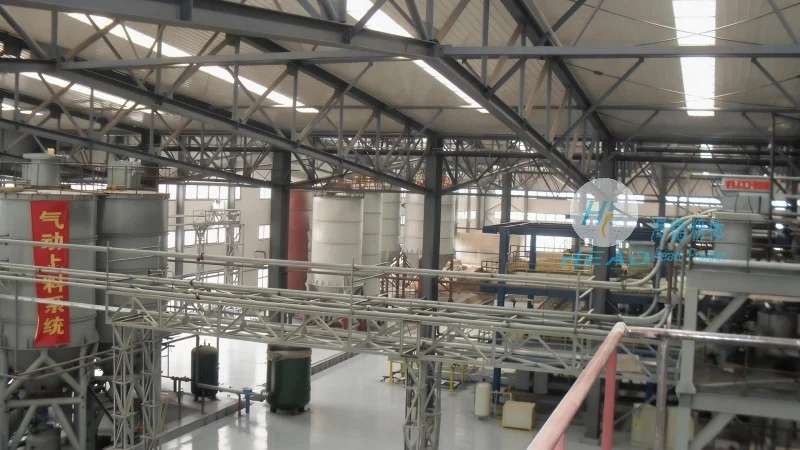
Advantages and Challenges in Biomass Pneumatic Conveying
One of the primary advantages of biomass pneumatic conveying is its ability to handle a wide range of biomass materials without the need for mechanical contact, which reduces wear and tear on equipment and minimizes the risk of material contamination. Additionally, these systems can operate in closed environments, which helps in controlling dust and improving workplace safety. However, challenges such as the high moisture content of biomass, which can lead to clogging or reduced conveying efficiency, and the abrasive nature of some biomass particles, which can cause wear on the pipeline and components, must be addressed through proper system design and maintenance. The use of high-quality materials and advanced control systems is crucial in mitigating these challenges and ensuring long-term performance.
Customization and Scalability for Diverse Needs
Shandong HeadPowder Engineering Co., Ltd. specializes in the design and manufacturing of biomass pneumatic conveying equipment tailored to the specific needs of clients. The company, known as HeadPowder, offers customized solutions that can be scaled to accommodate varying production capacities and material characteristics. Whether for small-scale agricultural processing or large-scale industrial applications, the equipment is designed to meet the unique requirements of each project. The company's expertise in material handling and pneumatic systems ensures that clients receive reliable, efficient, and cost-effective solutions that enhance their operational capabilities. With a focus on innovation and quality, HeadPowder provides equipment that not only meets current industry standards but also supports future growth and sustainability goals in the biomass sector.