

Principle and Working Scene Characteristics of Gypsum Powder and Dust Pneumatic Conveying Equipment
HeadPowder, a renowned manufacturer based in Shandong, China, specializes in developing and manufacturing advanced pneumatic conveying systems tailored for the handling of gypsum powder and dust. Our company, Shandong HeadPowder Engineering Co., Ltd., is dedicated to providing reliable and efficient solutions that meet the diverse needs of industrial clients. This article delves into the fundamental principles of our gypsum powder and dust pneumatic conveying equipment and outlines the key characteristics of their operational environments, highlighting the technology and applications that define our products.
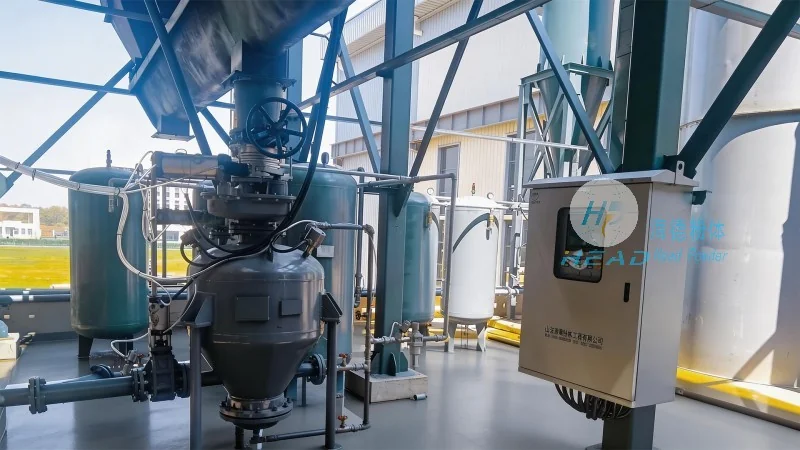
Overview of Gypsum Powder and Dust Pneumatic Conveying Systems
HeadPowder Engineering Co., Ltd., headquartered in Shandong, China, is a leading provider of pneumatic conveying equipment for the gypsum industry. Our systems are engineered to address the unique challenges of transporting fine powders and dust, such as low bulk density, high moisture content, and the tendency to agglomerate. By integrating advanced engineering and robust design, our equipment ensures consistent performance and minimal downtime in industrial settings. The company's commitment to quality and innovation has established it as a trusted partner for businesses seeking efficient material handling solutions.
The Core Principle of Pneumatic Conveying for Gypsum Materials
The pneumatic conveying system for gypsum powder and dust operates on the principle of using compressed air to transport material through a pipeline. This method, also known as air-driven transport, eliminates the need for mechanical components like belts, buckets, or screws, reducing maintenance requirements and enhancing operational efficiency. The system typically consists of several key components: a hopper for material storage, a rotary valve for controlled discharge, a series of pipelines with appropriate fittings, and an air compressor to generate the necessary pressure. The compressed air creates a flow that propels the gypsum particles through the pipeline, ensuring smooth and continuous transport.
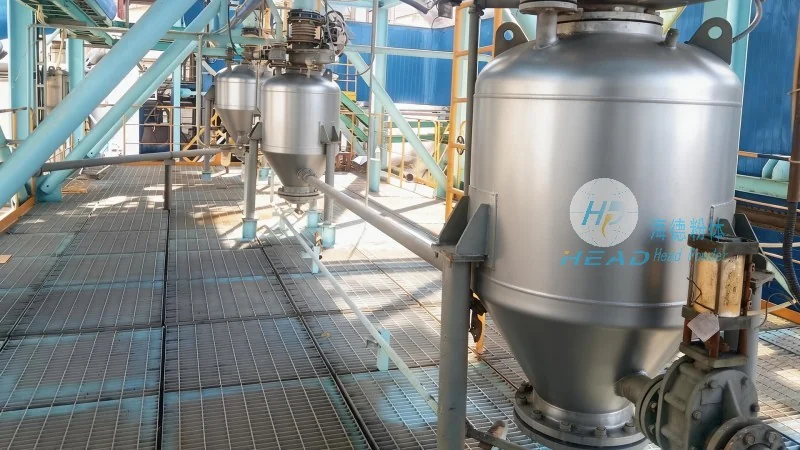
Key to the system's effectiveness is the control of air pressure and flow rate. By adjusting these parameters, the conveying velocity can be optimized to prevent blockages and ensure uniform material movement. The design of the conveying line, including the diameter and length of the pipes, is critical in maintaining consistent particle velocity and preventing material degradation. Additionally, our systems incorporate dust collection and filtration mechanisms to comply with environmental regulations and maintain air quality in the workplace. These features help to mitigate dust-related health risks and ensure a safe working environment.
Characteristics of the Working Environment for Gypsum Powder and Dust Pneumatic Conveying
The operational environment of our gypsum powder and dust pneumatic conveying equipment is tailored to the specific demands of industrial applications. These systems are commonly deployed in manufacturing plants, construction sites, and processing facilities where efficient material transport is essential for production continuity. The working scene typically involves high-volume material transport over short to medium distances, with the ability to integrate seamlessly with existing production lines and automation systems.
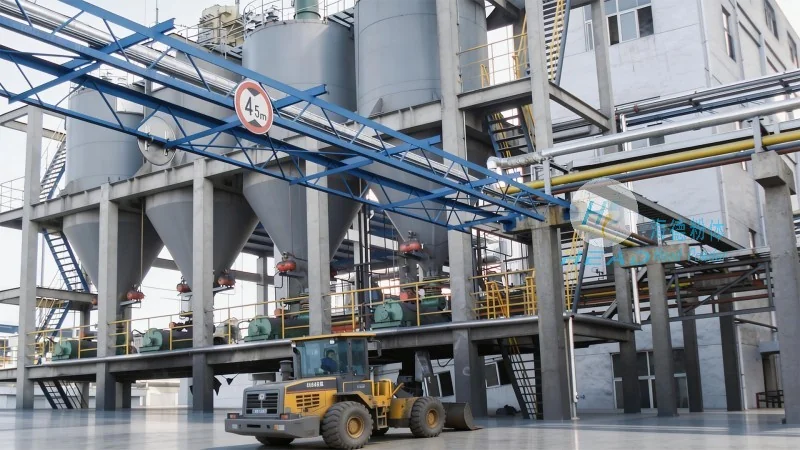
One of the primary characteristics of the working environment is the need for dust control and safety measures. Gypsum dust can be hazardous if inhaled or if it accumulates in the workplace, so our equipment includes features such as sealed hoppers, dust extraction systems, and explosion-proof designs to mitigate risks. The systems are also designed for easy maintenance and cleaning, with accessible components that allow for quick replacement of filters, rotary valves, and other parts. This ensures minimal downtime and reduces the overall cost of ownership.
Another key characteristic is the adaptability of the equipment to different material properties. Our pneumatic conveying systems can handle gypsum with varying moisture levels, particle sizes, and bulk densities, ensuring consistent performance regardless of the input material. This flexibility makes our equipment suitable for a wide range of applications, from raw material transport to finished product distribution. For example, in the production of gypsum board, our systems can efficiently transport raw gypsum from storage silos to mixing stations, while in agricultural applications, they may be employed to handle gypsum for soil amendment.
Advantages and Industrial Applications of Pneumatic Conveying Systems
Our gypsum powder and dust pneumatic conveying equipment offers several advantages over traditional mechanical conveying methods. The primary benefit is the reduction in labor costs and maintenance time, as there are fewer moving parts and less wear and tear on components. Additionally, the system provides a clean and hygienic method of material transport, which is essential in food processing, pharmaceutical, and construction industries where contamination is a concern. The absence of mechanical components also reduces the risk of material contamination and ensures that the product remains in its original state.
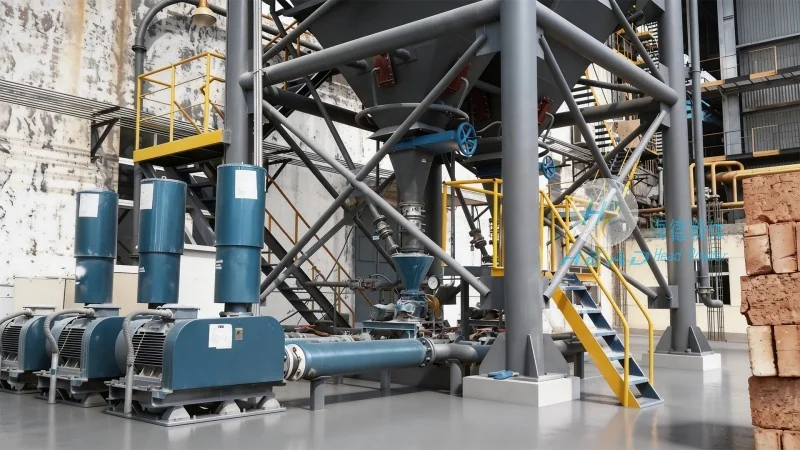
Common applications of our equipment include the transport of gypsum from storage silos to production lines, the delivery of raw materials to mixing stations, and the removal of dust from processing areas. In construction, our systems are widely used to transport gypsum for wallboard manufacturing, where consistent material flow is critical for maintaining production quality. In industrial processing, they may be employed to handle gypsum in the production of plaster, cement, or other building materials. The versatility of our pneumatic conveying systems makes them suitable for various industries that require efficient and reliable material handling solutions, ensuring that businesses can operate with minimal disruptions and maximum productivity.
Conclusion and Company Profile
HeadPowder Engineering Co., Ltd., based in Shandong, China, is a leading manufacturer of pneumatic conveying systems for gypsum powder and dust. Our company's commitment to innovation, quality, and customer satisfaction has enabled us to provide reliable solutions that meet the evolving needs of the industry. The principles of air-driven material transport, combined with robust design and advanced control systems, ensure that our equipment delivers optimal performance in diverse industrial settings. For businesses seeking efficient and safe material handling solutions, HeadPowder offers a range of products that are tailored to specific applications and operational requirements. Contact us at our headquarters in Shandong, China, to learn more about our gypsum powder and dust pneumatic conveying equipment and how it can enhance your industrial operations.