

Principle and Working Scene Characteristics of Stone and Coal Pneumatic Conveying Equipment
HeadPowder Engineering Co., Ltd., a leading manufacturer based in Shandong, China, specializes in the design and production of advanced pneumatic conveying equipment tailored for transporting bulk materials such as stone and coal. This article explores the fundamental principles behind these systems and highlights the key working scene characteristics that make them indispensable in various industrial applications.
Principle of Pneumatic Conveying for Stone and Coal
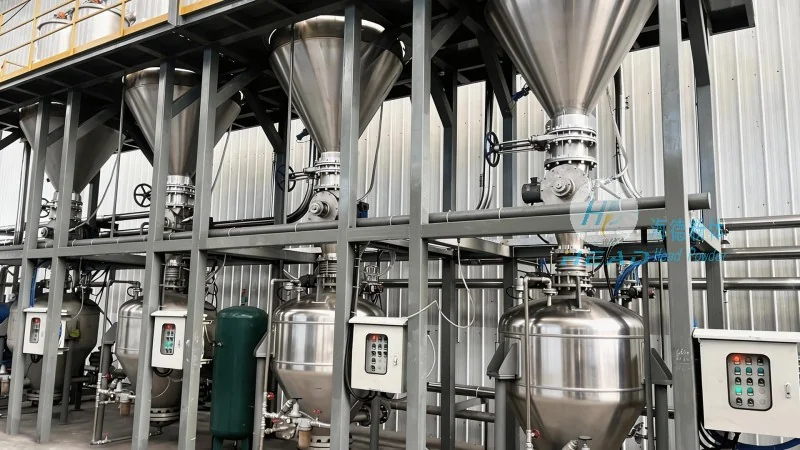
The core principle of pneumatic conveying involves using compressed air or suction to move particulate materials through a pipeline. For stone and coal, which are typically dry, granular, or powdery bulk materials, this method offers a highly efficient alternative to traditional mechanical conveyors. The process generally operates on one of two main systems: the suction (or negative pressure) system and the pressure (or positive pressure) system. In the suction system, a vacuum is created at the material inlet to draw the material into the pipeline, while the pressure system uses compressed air to push the material forward. Both systems rely on the interaction between the air flow and the material particles to achieve transport. The equipment typically includes a hopper for material storage, a feeder to control the flow rate, a conveying line, and a receiver to collect the material at the destination. The design of the conveying line, including the diameter and length, is critical to ensure efficient material transport with minimal pressure drop and energy consumption.
Working Scene Characteristics of Stone and Coal Pneumatic Conveying Equipment
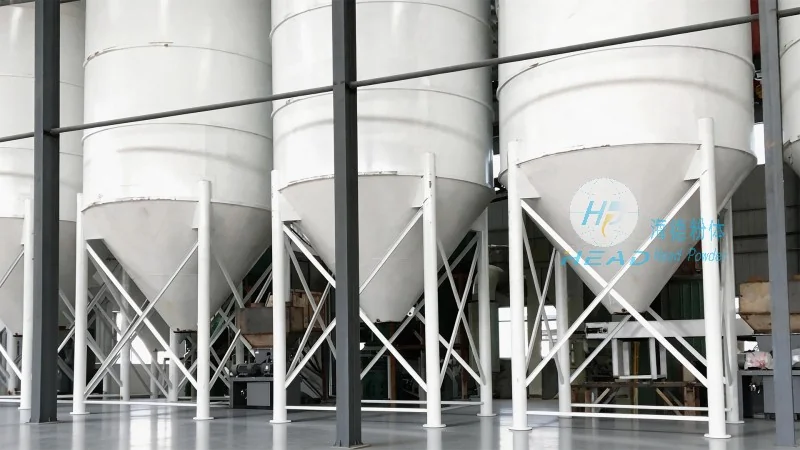
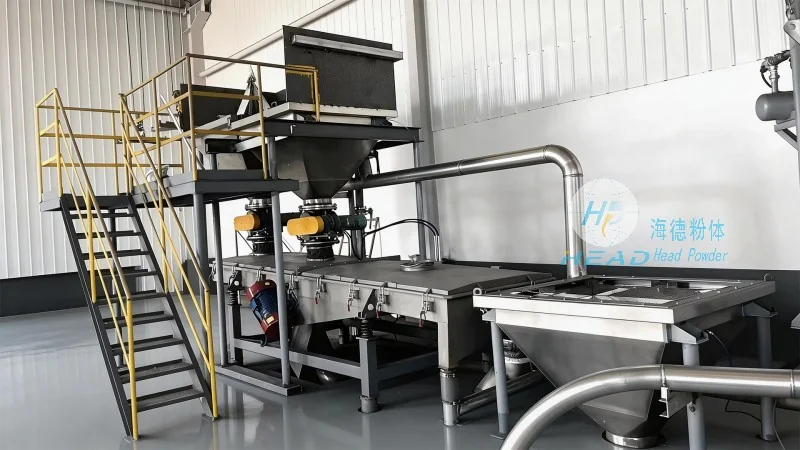
The working scene characteristics of pneumatic conveying systems for stone and coal are shaped by the nature of the materials being transported and the operational requirements of the industrial environment. One of the primary advantages is the ability to handle materials in a dust-free or low-dust environment, which is crucial for maintaining air quality and worker safety in facilities dealing with fine coal or stone powders. Additionally, these systems offer flexibility in layout, as they can be installed in various configurations, including vertical, horizontal, or a combination of both, to suit the spatial constraints of different production sites. The equipment is also designed to handle a wide range of particle sizes and densities, making it suitable for both coarse stone aggregates and fine coal powders. In terms of operational efficiency, pneumatic conveyors can achieve high throughput rates with minimal downtime, as they eliminate the need for physical contact between the material and the conveyor components, reducing wear and maintenance requirements. Another key characteristic is the ability to integrate with other processing equipment, such as crushers, screens, and storage silos, creating a seamless material handling system that enhances overall production flow. The working scenes often include mining sites, where raw coal and stone are transported from extraction points to processing facilities, as well as construction material plants, where aggregates are moved from stockpiles to batching and mixing areas. In these environments, the reliability and durability of the pneumatic conveying equipment are essential to ensure continuous operation and minimize disruptions to the production process.
Application Scenarios and Industry Impact
HeadPowder Engineering Co., Ltd. has successfully deployed pneumatic conveying systems in diverse working scenes across the stone and coal industries. For example, in a coal processing plant, the company's equipment has been used to transport raw coal from the mine to the crushing and screening units, with the suction system effectively handling the fine coal dust while maintaining a clean working environment. In a stone aggregate production facility, the pressure system has been employed to move crushed stone from the storage silos to the batching and mixing areas, demonstrating the system's ability to handle coarse materials with high efficiency. The working scene characteristics, such as the need for dust control and material purity, are directly addressed by the design of the conveying equipment, which includes features like air filtration and material separation to prevent contamination. The company's commitment to using high-quality materials and advanced engineering ensures that the equipment operates reliably under the demanding conditions of these industrial applications. By understanding the specific requirements of each working scene, HeadPowder Engineering Co., Ltd. can tailor the pneumatic conveying systems to meet the unique needs of clients, whether it's optimizing material transport in a mining operation or improving efficiency in a construction material plant.
Conclusion and Company Overview
HeadPowder Engineering Co., Ltd., based in Shandong, China, provides comprehensive solutions for pneumatic conveying of stone and coal through its advanced equipment and expert engineering. The principles of pneumatic conveying, combined with the working scene characteristics tailored to the needs of the stone and coal industries, make these systems a preferred choice for efficient and reliable material handling. By focusing on the specific requirements of each application, the company ensures that its equipment delivers optimal performance, durability, and operational efficiency. As a leading manufacturer in the field, HeadPowder Engineering Co., Ltd. continues to innovate and improve its pneumatic conveying systems to meet the evolving demands of the industrial sector, providing clients with reliable and effective solutions for their material transport needs.