

Principle and Working Scene Characteristics of Sodium Chlorate Pneumatic Conveying Equipment
HeadPowder, a leading enterprise in the field of powder processing technology, specializes in the design, manufacturing, and application of advanced pneumatic conveying systems. This article focuses on the principle and working scene characteristics of sodium chlorate pneumatic conveying equipment, providing a comprehensive overview of its operation and practical applications.
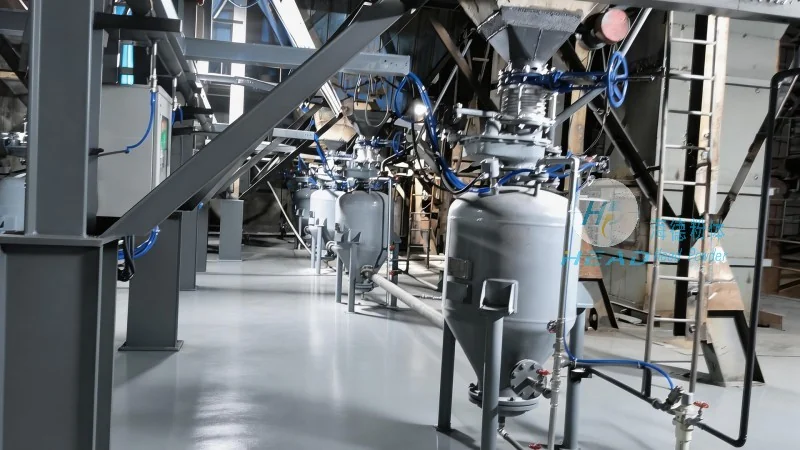
Introduction to Sodium Chlorate Pneumatic Conveying Systems
Sodium chlorate is a widely used chemical compound in various industrial processes, such as the production of bleaching agents, herbicides, and other chemical intermediates. The efficient and safe transportation of sodium chlorate powder is crucial for maintaining production efficiency and ensuring operational safety. Pneumatic conveying systems offer a reliable solution for handling this material, especially in scenarios where traditional mechanical conveying methods may pose challenges due to the material's properties or the environment.
Core Principle of Pneumatic Conveying for Sodium Chlorate
The fundamental principle of pneumatic conveying involves the use of air or other gases to transport bulk materials through a pipeline system. In the case of sodium chlorate, the system typically operates under positive pressure, where compressed air is introduced into the conveying line to create a flow that moves the powder from the source to the destination. This method eliminates the need for mechanical components like belts or buckets, reducing maintenance requirements and minimizing the risk of material contamination.
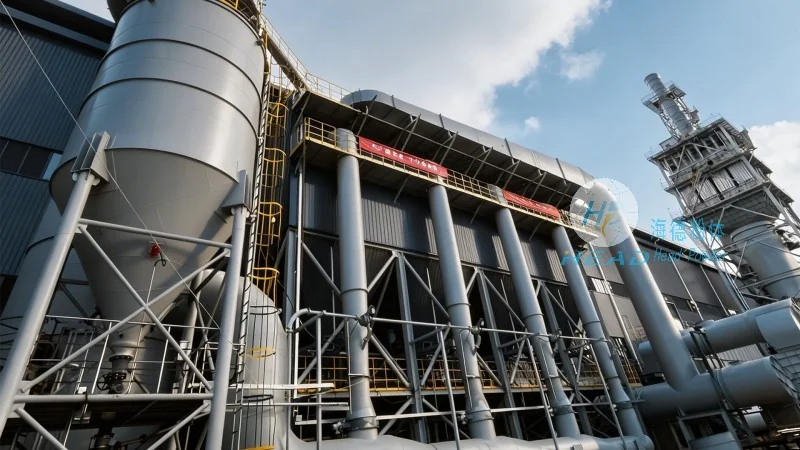
Key components of a typical sodium chlorate pneumatic conveying system include the material hopper, air compressor, conveying pipeline, and receiving hopper. The material is first loaded into the hopper, where it is then drawn into the pipeline by the pressure differential created by the compressed air. The air flow ensures that the sodium chlorate particles are suspended and transported smoothly through the system, maintaining consistent flow rates and preventing blockages. The receiving hopper collects the material at the end of the pipeline, completing the conveying process.
Working Scene Characteristics and Application Scenarios
The working scene characteristics of sodium chlorate pneumatic conveying equipment are tailored to meet the specific demands of industrial environments. These systems are commonly used in chemical plants, where the handling of sodium chlorate requires strict adherence to safety and efficiency standards. The equipment is designed to handle the material's potential sensitivity to moisture and its reactivity, ensuring that the conveying process is carried out under controlled conditions.
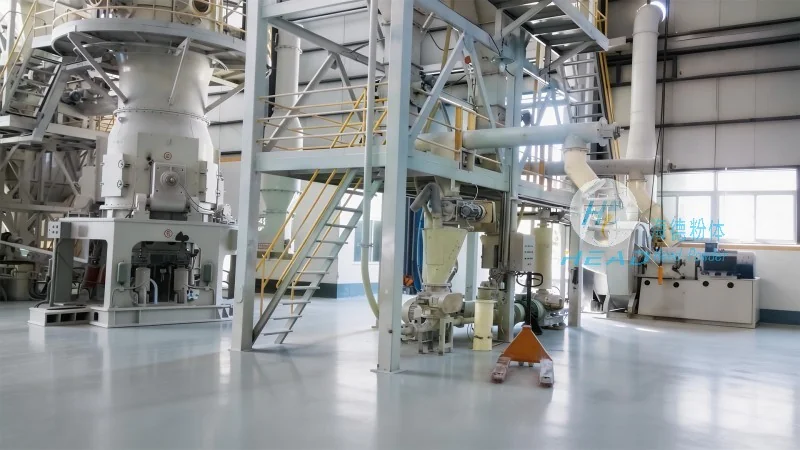
One of the primary advantages of using pneumatic conveying for sodium chlorate is its ability to handle the material in a dust-free environment. This is particularly important in applications where dust can cause health hazards or interfere with downstream processes. The enclosed pipeline system prevents the release of fine particles, contributing to a safer working environment and compliance with environmental regulations.
Furthermore, the flexibility of pneumatic conveying systems allows for easy integration into existing production lines. Whether the application involves short-distance or long-distance transportation, the system can be customized to meet the specific requirements of the facility. This adaptability makes it suitable for various working scenes, including batch processing, continuous production, and material transfer between different production stages.
Operational Efficiency and Safety Considerations
Operational efficiency is a critical factor in the design and implementation of sodium chlorate pneumatic conveying equipment. The system is engineered to achieve high throughput rates while maintaining low energy consumption. The use of positive pressure systems ensures consistent material flow, reducing downtime and improving overall productivity. Additionally, the system's ability to handle varying material loads without significant performance degradation enhances its reliability in industrial settings.
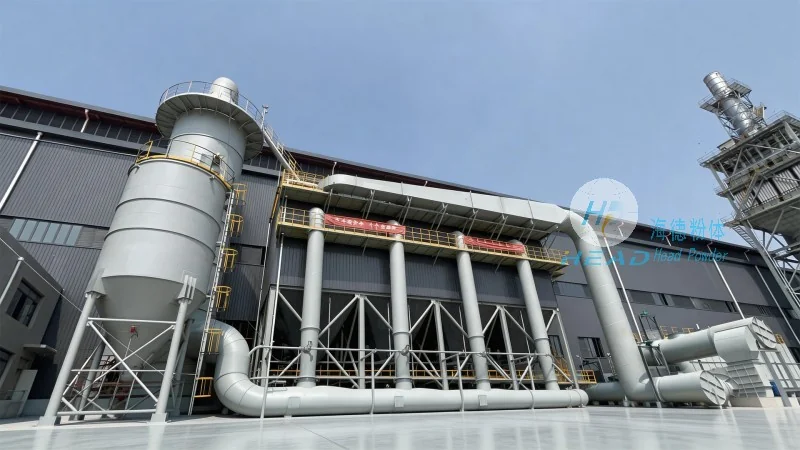
Safety considerations are paramount when dealing with sodium chlorate, a chemical that can be hazardous if mishandled. The pneumatic conveying system is designed with safety features such as pressure relief valves, explosion-proof components, and material flow monitoring devices. These features help prevent accidents and ensure that the equipment operates within safe parameters. Regular maintenance and inspection of the system are also essential to maintain its safety and performance.
Conclusion
In conclusion, sodium chlorate pneumatic conveying equipment from HeadPowder Engineering Co., Ltd. offers an efficient, safe, and reliable solution for the transportation of sodium chlorate in industrial applications. By leveraging the principles of pneumatic conveying, these systems address the unique challenges associated with handling this chemical, providing a robust and adaptable solution for various working scenes. With a focus on operational efficiency and safety, HeadPowder continues to provide high-quality equipment that meets the demands of modern industrial processes.