When it comes to construction projects, the efficient and reliable delivery of concrete is a critical factor that impacts project timelines and overall quality. Concrete, as a fundamental building material, requires precise handling from the mixing plant to the construction site. Understanding the various concrete delivery methods is essential for construction professionals to choose the most suitable approach for their specific needs. In this article, we will explore the different ways concrete is delivered, highlighting the advantages and considerations of each method. Shandong HeadPowder Engineering Co., Ltd., a leading provider of construction solutions, specializes in offering comprehensive services related to concrete delivery and construction technologies. With a focus on innovation and quality, HeadPowder aims to support construction projects by providing efficient and reliable concrete delivery methods tailored to the unique needs of each project.
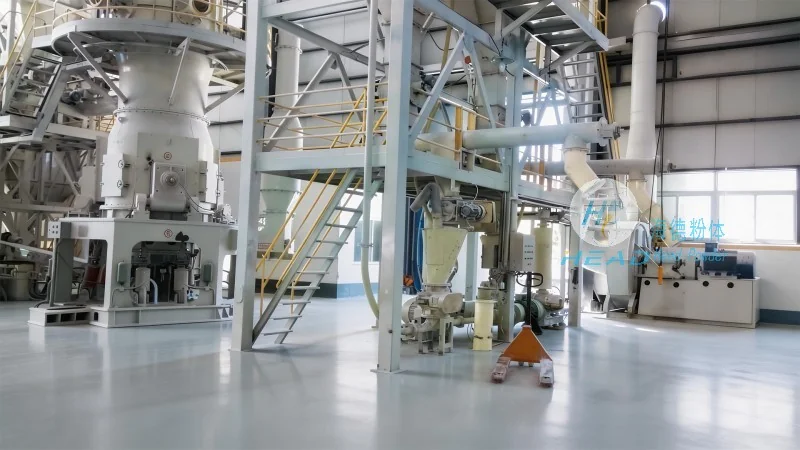
1. Pumping Concrete: The Most Common Method
Concrete pumping is one of the most widely used methods for delivering concrete to elevated or remote locations. This method utilizes hydraulic power to move concrete through a pipeline system, eliminating the need for manual labor and heavy machinery for lifting and transporting. The pump can be either a truck-mounted unit or a stationary unit, depending on the project requirements. The process involves placing the pump at the concrete batch plant, connecting the pipeline to the truck mixer or the batching plant, and then pumping the concrete to the desired location. This method is particularly advantageous for high-rise buildings, bridge construction, and large-scale infrastructure projects where traditional methods like wheelbarrows or buckets are impractical. The efficiency of concrete pumping lies in its ability to deliver large volumes of concrete over long distances and heights, reducing labor costs and speeding up the construction process. However, it is important to note that pumping concrete requires proper planning and equipment maintenance to ensure smooth operation and prevent blockages or leaks in the pipeline.
2. Truck-Mixed Concrete Delivery
Truck-mixed concrete delivery involves transporting concrete from the batching plant to the construction site in a ready-mix truck. The truck is equipped with a rotating drum that continuously mixes the concrete to maintain its consistency and prevent segregation. This method is suitable for projects where the construction site is relatively close to the batching plant, and the concrete can be delivered within a reasonable time frame. The truck mixer ensures that the concrete remains fresh and workable until it reaches the site. Once at the site, the concrete is discharged from the truck's chute and poured into the formwork. Truck-mixed concrete delivery is commonly used for residential, commercial, and industrial projects that require moderate to large volumes of concrete. The key advantage of this method is its flexibility and ability to deliver concrete to various locations without the need for additional equipment. However, it is important to consider factors such as travel time, traffic conditions, and the availability of truck drivers, as these can affect the delivery schedule and the quality of the concrete upon arrival.
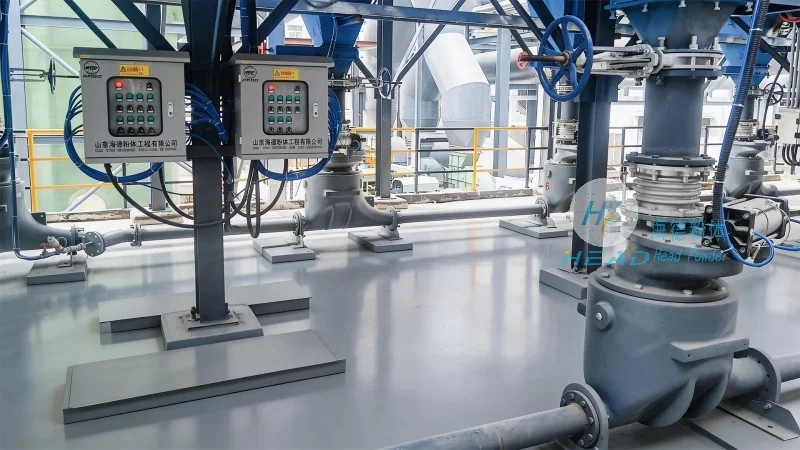
3. Batching Plant to Site Delivery via Conveyor Systems
For projects located near the batching plant, conveyor systems can be used to deliver concrete directly to the construction site. This method involves transporting the concrete from the batching plant to the site using a conveyor belt system. The concrete is poured into the conveyor and then transported to the desired location, where it is discharged into the formwork. This method is particularly useful for projects with multiple construction stages or for sites that are difficult to access by truck. The use of conveyor systems reduces the need for heavy machinery and labor, making it a cost-effective solution for certain projects. However, it is important to ensure that the conveyor system is properly maintained and that the concrete is not overworked during the transportation process, as this can lead to segregation and affect the quality of the concrete.
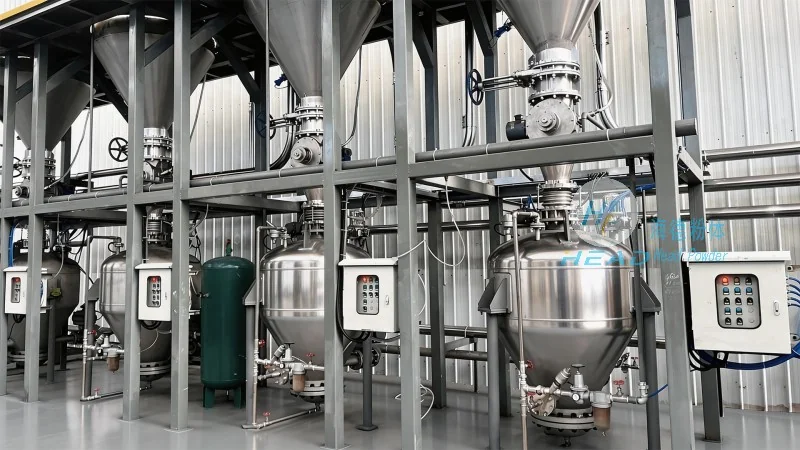
4. Manual Delivery Methods
While less common in modern construction, manual delivery methods are still used in some situations. This includes the use of wheelbarrows, buckets, or hand carts to transport concrete from the batching plant to the construction site. This method is typically used for small-scale projects or for areas that are difficult to access by machinery. The main advantage of manual delivery is its simplicity and low cost. However, it is important to note that this method is labor-intensive and can be slow, making it unsuitable for large-scale projects. Additionally, manual delivery can be physically demanding and may result in concrete spills or damage to the site. For these reasons, manual delivery methods are generally used as a supplementary method or for specific tasks where machinery is not feasible.
Conclusion: Choosing the Right Concrete Delivery Method
Choosing the appropriate concrete delivery method depends on several factors, including the project size, location, and requirements. Concrete pumping is ideal for high-rise and remote projects, while truck-mixed delivery is suitable for moderate to large projects near the batching plant. Conveyor systems are a cost-effective option for nearby sites, and manual methods are used for small-scale or inaccessible areas. By understanding the advantages and limitations of each method, construction professionals can make informed decisions that optimize project efficiency, reduce costs, and ensure the quality of the concrete. The choice of delivery method should align with the project's specific needs and constraints to achieve the best possible results. Shandong HeadPowder Engineering Co., Ltd. continues to innovate in concrete delivery technologies, providing tailored solutions that meet the evolving demands of the construction industry while maintaining high standards of quality and efficiency.




