

What is a Ammonium Bicarbonate Powder Conveyor? What are its Design Principles?
Ammonium bicarbonate, a widely used chemical in various industrial applications, often requires efficient and reliable handling and transportation. The Ammonium Bicarbonate Powder Conveyor is a specialized equipment designed to address the unique challenges associated with handling this specific powder material. In this article, we will explore the fundamental aspects of this conveyor system, including its design principles and the key factors that make it an essential component in chemical processing and material handling operations.
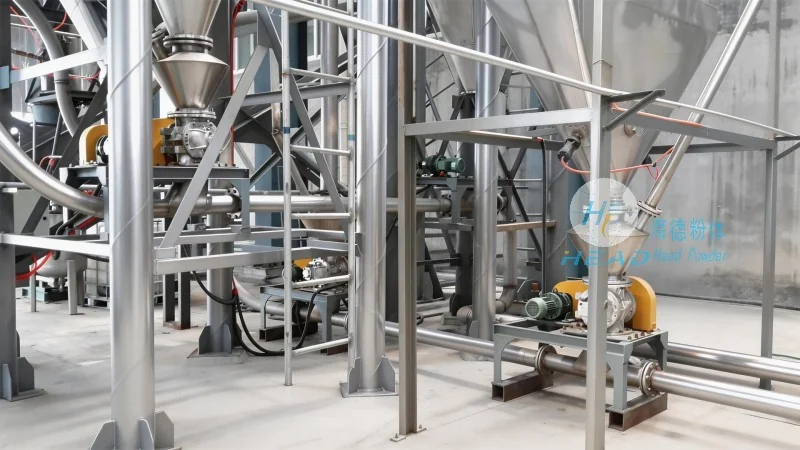
Understanding the Ammonium Bicarbonate Powder Conveyor
Ammonium bicarbonate (NH₄HCO₃) is a white crystalline powder commonly used as a leavening agent in baking, a precursor in the production of other chemicals, and in pharmaceutical applications. Due to its hygroscopic nature and potential for caking or agglomeration, handling this material requires specialized equipment that can maintain its quality and prevent material degradation. The Ammonium Bicarbonate Powder Conveyor is engineered to meet these specific demands, ensuring safe and efficient transport from storage to processing units.
Design Principles of the Powder Conveyor
The design of an Ammonium Bicarbonate Powder Conveyor is based on several critical principles aimed at optimizing performance, safety, and material integrity. These principles include:
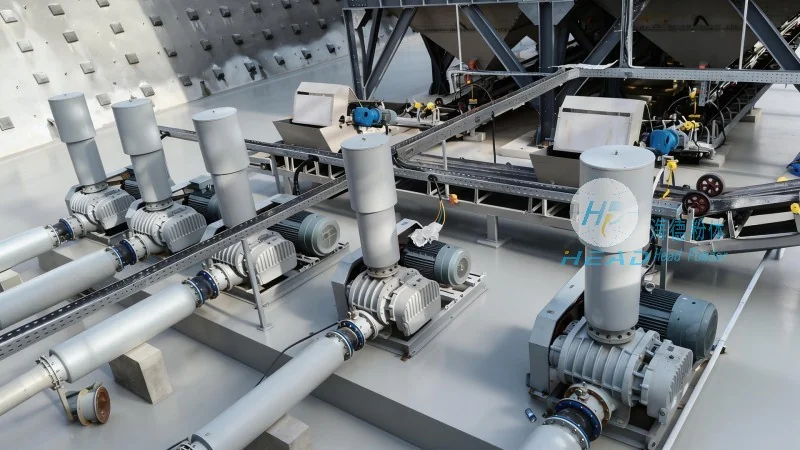
- Airtight and Sealed Construction: To prevent moisture absorption and contamination, the conveyor system is constructed with airtight seals and materials that are resistant to chemical reactions. This ensures that the powder remains in its original state during transport.
- Low-Pressure Airflow System: The conveyor utilizes a low-pressure air system to move the powder, minimizing the risk of particle degradation and reducing the need for high-energy consumption. This approach is particularly important for hygroscopic materials like ammonium bicarbonate.
- Specialized Hopper and Feeding Mechanism: The hopper is designed with a wide opening and smooth interior to prevent material buildup and caking. The feeding mechanism, often a rotary valve or a screw feeder, ensures a consistent and controlled flow of powder into the conveyor line.
- Material Compatibility: All components in contact with the ammonium bicarbonate are made from materials that are chemically inert and resistant to corrosion, such as stainless steel or specialized plastics. This prevents any reaction that could alter the chemical properties of the powder.
- Controlled Temperature Management: The conveyor system may incorporate temperature control features to maintain the powder at an optimal temperature, preventing premature decomposition or caking. This is crucial for maintaining the quality of the material throughout the handling process.
Key Components and Their Functions
The Ammonium Bicarbonate Powder Conveyor consists of several key components, each playing a vital role in the overall operation:
- Feed Hopper: The hopper stores the ammonium bicarbonate and feeds it into the conveyor system. Its design minimizes the risk of material bridging or caking, ensuring a smooth flow.
- Feeding Device: This component, typically a rotary valve or a screw feeder, regulates the flow rate of the powder from the hopper to the conveyor line. It ensures a consistent and controlled supply of material.
- Air Supply System: The air compressor and associated piping provide the necessary airflow to transport the powder through the conveyor. The system is designed to maintain low pressure and high volume to ensure efficient transport.
- Piping and Tubing: The conveyor line is made of smooth, airtight tubing or pipes that prevent material leakage and maintain the integrity of the powder. The material of the tubing is chosen for its resistance to chemical corrosion and its ability to handle the specific properties of ammonium bicarbonate.
- Discharge Unit: The discharge unit, often a rotary valve or a venturi system, controls the release of the powder from the conveyor into the processing equipment. It ensures a controlled and safe discharge process.
- Control Panel: The control panel allows operators to monitor and adjust the conveyor's operation, including airflow, feeding rate, and temperature settings. This ensures optimal performance and safety.
Benefits of Using an Ammonium Bicarbonate Powder Conveyor
Implementing an Ammonium Bicarbonate Powder Conveyor offers several significant benefits for industrial operations:
- Efficient Material Handling: The conveyor system provides a continuous and reliable method for transporting large quantities of ammonium bicarbonate, reducing labor costs and improving operational efficiency.
- Preservation of Material Quality: By maintaining airtight conditions and controlled temperature, the conveyor prevents moisture absorption, caking, and degradation of the powder, ensuring that the material remains in its optimal state for processing.
- Enhanced Safety: The sealed design and controlled airflow minimize the risk of dust explosions and exposure to harmful chemicals, creating a safer working environment for personnel.
- Reduced Downtime: The specialized design of the conveyor reduces the likelihood of material buildup and blockages, minimizing downtime and maintenance requirements.
- Customization Options: The conveyor can be customized to meet specific operational requirements, such as varying conveyor lengths, capacity adjustments, and integration with existing processing systems.
Application Scenarios
The Ammonium Bicarbonate Powder Conveyor is widely used in various industries where ammonium bicarbonate is a key component. Some common applications include:
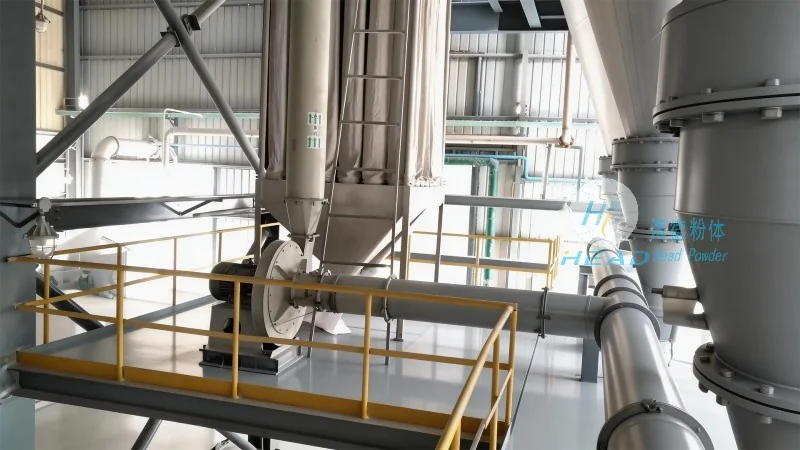
- Baking and Food Industry: In the production of baked goods, ammonium bicarbonate is used as a leavening agent. The conveyor efficiently transports the powder from storage to mixing and baking equipment.
- Pharmaceutical Manufacturing: In pharmaceutical production, ammonium bicarbonate is used as an excipient or in the synthesis of other drugs. The conveyor ensures the safe and controlled handling of the material during manufacturing.
- Chemical Processing: In chemical plants, ammonium bicarbonate is used as a precursor in the production of other chemicals. The conveyor facilitates the transport of the powder to reactors and processing units.
- Industrial Applications: Other industrial applications, such as in the production of fertilizers or in environmental remediation processes, also benefit from the efficient handling capabilities of this conveyor system.
Conclusion
The Ammonium Bicarbonate Powder Conveyor is a critical piece of equipment designed to address the unique handling challenges of ammonium bicarbonate. Its design principles, which prioritize material integrity, safety, and efficiency, make it an essential component in various industrial applications. By understanding the design and functionality of this conveyor system, industries can ensure the reliable and safe handling of ammonium bicarbonate, leading to improved operational performance and product quality.
For businesses seeking reliable and efficient solutions for handling ammonium bicarbonate, Shandong HeadPowder Engineering Co., Ltd. offers specialized equipment and expertise. With a focus on quality and customer satisfaction, HeadPowder provides tailored conveyor systems that meet the specific needs of industrial operations. Located in Shandong, China, HeadPowder has established itself as a trusted provider of material handling solutions in the chemical and industrial sectors.