

What is Potassium Hydroxide Powder Handling Equipment? What are the Design Principles?
When it comes to handling potassium hydroxide powder, specialized equipment is essential for ensuring safety, efficiency, and compliance with industrial standards. This article explores the key aspects of potassium hydroxide powder handling equipment, focusing on its design principles and operational considerations, with insights from Shandong HeadPowder Engineering Co., Ltd., a leading provider of such solutions based in China.
Understanding the Importance of Potassium Hydroxide Powder Handling Equipment
Potassium hydroxide (KOH) is a highly caustic and reactive chemical, making its handling a critical process in various industries such as chemical manufacturing, pharmaceuticals, and food processing. The proper equipment for transporting and managing this powder is not just a matter of convenience but a necessity to prevent accidents, maintain product integrity, and ensure worker safety. The design of such equipment must address the unique challenges posed by KOH's physical and chemical properties, including its hygroscopic nature, reactivity with moisture, and potential for dust formation.
Key Design Principles for Potassium Hydroxide Powder Handling Equipment
The design of potassium hydroxide powder handling equipment is guided by several fundamental principles aimed at mitigating risks and optimizing performance. First, the equipment must be constructed from materials that are resistant to corrosion and chemical attack, as KOH can degrade many common metals and alloys. Common materials used include stainless steel, special alloys, and certain plastics that are compatible with caustic substances. This material selection is crucial to prevent equipment failure and contamination of the powder.
Second, the equipment must incorporate effective dust control measures. Potassium hydroxide powder is fine and can easily become airborne, creating a respiratory hazard and potential fire or explosion risks if not properly contained. Design features often include sealed systems, dust collection systems, and explosion-proof components to address these concerns. Additionally, the equipment should be designed to minimize the risk of static electricity buildup, as static discharge can ignite dust clouds in the presence of KOH.
Third, the design must prioritize safety and operational efficiency. This includes features like automatic shut-off valves, pressure relief systems, and monitoring devices to detect leaks or abnormal conditions. The equipment should also be easy to clean and maintain to prevent cross-contamination and ensure long-term reliability. Furthermore, ergonomic considerations are important to reduce operator fatigue and improve overall workflow.
Components and Functionalities of Potassium Hydroxide Powder Handling Equipment
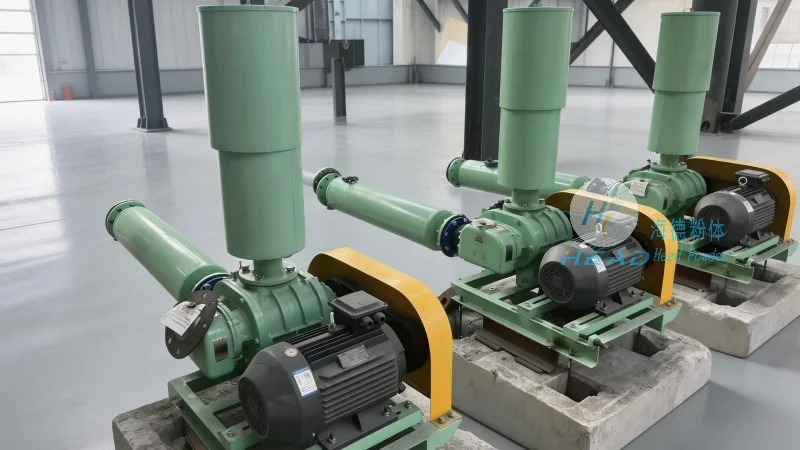
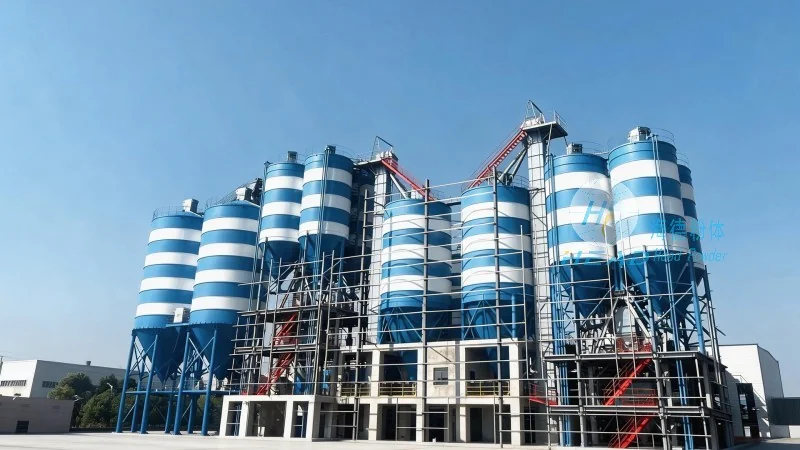
Potassium hydroxide powder handling equipment typically consists of several interconnected components, each serving a specific function in the material flow. These components may include feeders, conveyors, storage silos, and transfer systems. Feeders are used to control the flow rate of the powder from the storage container to the processing equipment, ensuring a consistent and controlled feed. Conveyors, such as pneumatic or mechanical systems, transport the powder from one location to another within the facility. Storage silos are designed to hold large quantities of KOH powder safely, with features like airtight seals and level indicators to monitor inventory.
Transfer systems, including pumps or vacuum systems, are used to move the powder between different parts of the plant or to other processing units. These systems must be capable of handling the high viscosity and reactivity of KOH, often requiring specialized pumps that can handle abrasive and corrosive materials. The entire system is usually integrated with control panels that allow operators to monitor and adjust the flow rates, pressures, and other parameters in real-time.
Operational Considerations and Best Practices
Proper operation of potassium hydroxide powder handling equipment requires adherence to specific guidelines to ensure safety and efficiency. Regular maintenance is essential, including inspections of seals, bearings, and other moving parts to prevent leaks and equipment failure. Operators should be trained on the safe handling procedures for KOH, including proper PPE (personal protective equipment) usage and emergency response protocols. Environmental controls, such as local exhaust ventilation and dust collection systems, must be maintained to prevent exposure to airborne particles.
Additionally, the equipment should be designed to minimize the risk of product contamination. This includes using clean-in-place (CIP) systems for easy cleaning and sanitization, as well as ensuring that all components are compatible with the powder to avoid cross-contamination from previous materials. The system should also be capable of handling variations in powder flow, such as changes in moisture content or particle size, without compromising performance.
Conclusion
Potassium hydroxide powder handling equipment is a critical component in industries that utilize this caustic chemical. The design principles, materials, and components of such equipment are carefully selected to address the unique challenges posed by KOH, ensuring safety, efficiency, and compliance with industrial standards. By understanding these design principles and operational considerations, companies can effectively manage the risks associated with handling KOH and optimize their production processes.