When it comes to transporting bulk materials like salt efficiently and safely, pneumatic conveying systems offer a reliable solution. This article explores the concept of salt pneumatic conveying equipment, detailing its operational mechanics and the key design principles that underpin its effectiveness.
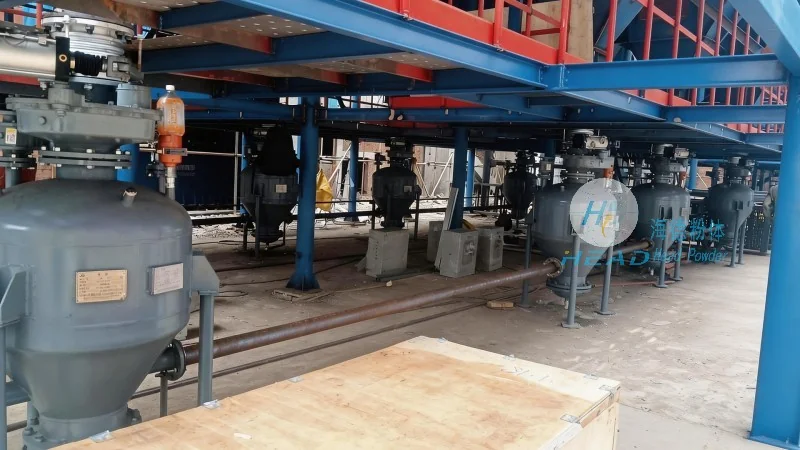
At Shandong HeadPowder Engineering Co., Ltd., we specialize in the design and manufacturing of advanced pneumatic conveying solutions tailored for various industrial applications, including the handling of salt and other similar bulk solids. Our expertise lies in creating systems that ensure optimal performance, minimal product degradation, and compliance with industry standards.
What Is Salt Pneumatic Conveying Equipment?
Salt pneumatic conveying equipment is a type of industrial system used to transport granular or powdered materials, such as salt, through a pipeline using air or other gases. Unlike traditional mechanical conveyors, which rely on physical contact and moving parts, pneumatic systems utilize air pressure to move materials, reducing the risk of contamination and wear. The equipment typically consists of a hopper for material storage, a conveyor line, and a control system to regulate the air flow and material discharge.
Key Design Principles of Pneumatic Conveying Systems
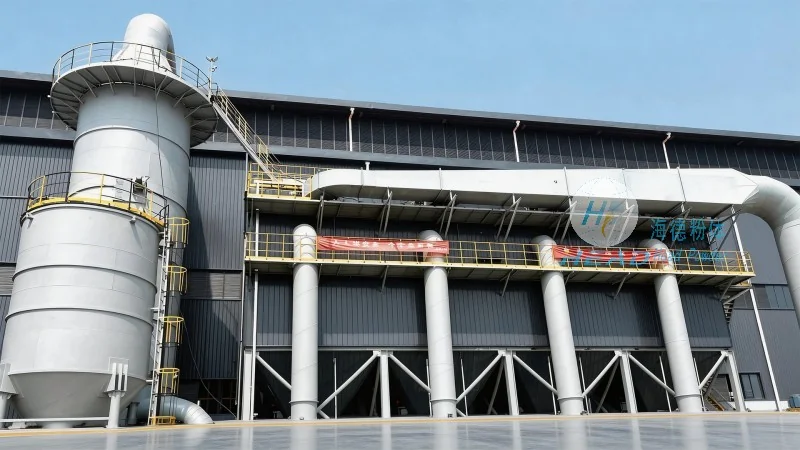
The effectiveness of a salt pneumatic conveying system is determined by several critical design principles. First, the system must be designed to handle the specific properties of salt, including its particle size, moisture content, and flow characteristics. This involves selecting appropriate air velocities and pressure levels to prevent material settling or blockages in the pipeline. Second, the equipment must ensure efficient material transfer while minimizing energy consumption. This is achieved through optimized pipeline geometry, such as the use of bends and elbows that reduce pressure loss. Third, the system must incorporate safety features to prevent dust explosions and ensure operator safety, which is crucial when handling bulk materials like salt.
Components and Operational Mechanisms
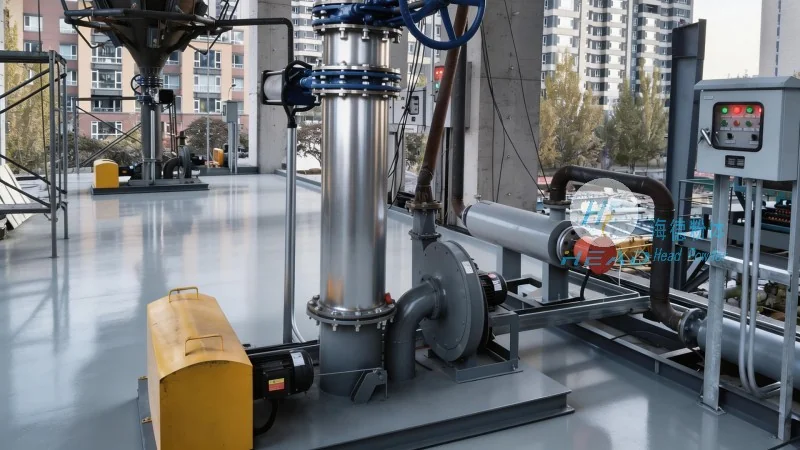
A typical salt pneumatic conveying system includes several key components. The hopper serves as the material feed, where salt is stored and fed into the system. The conveyor line, made of durable materials like stainless steel or plastic, transports the salt through the pipeline. The air compressor or blower generates the necessary air pressure to move the material. The control system monitors and adjusts the air flow and material discharge to maintain consistent performance. The system may also include filters and cyclones to separate the material from the air and return it to the hopper, ensuring minimal waste and efficient operation.
Advantages of Using Pneumatic Conveying for Salt
There are several advantages to using pneumatic conveying equipment for salt transportation. First, it offers a hygienic and contamination-free method of handling, which is essential for food-grade products like salt. The enclosed system prevents exposure to dust and environmental contaminants. Second, it reduces labor costs by automating the material transfer process, minimizing the need for manual handling. Third, the system is flexible and can be easily integrated into existing production lines, allowing for scalability and adaptability. Finally, pneumatic conveying systems are energy-efficient compared to traditional mechanical conveyors, leading to lower operational costs over time.
Applications in the Salt Industry
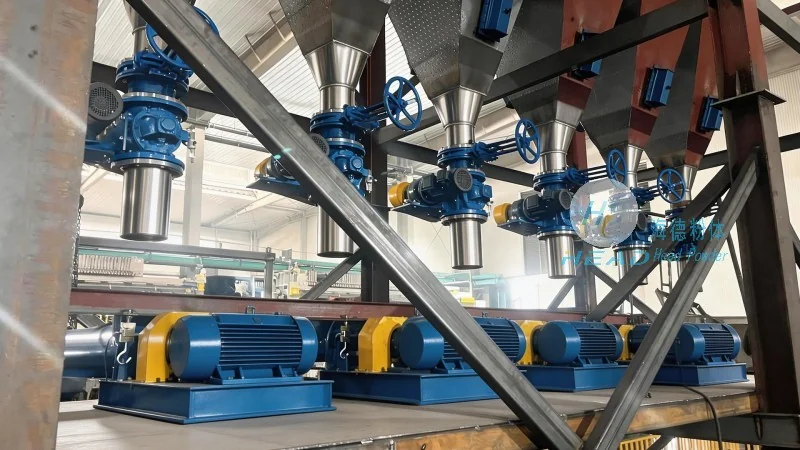
Salt pneumatic conveying equipment is widely used in various applications within the salt industry. It is commonly employed in salt production facilities to transport raw salt from storage to processing units, such as washing and drying equipment. The system is also used in food processing plants to move salt for seasoning and packaging. Additionally, it plays a role in chemical processing, where salt is used as a raw material in various industrial processes. The versatility of pneumatic conveying makes it suitable for a wide range of salt-related applications, from bulk handling to precise dosing.
Customization and Integration with HeadPowder Solutions
At Shandong HeadPowder Engineering Co., Ltd., we understand that each salt handling operation has unique requirements. Therefore, we offer customized pneumatic conveying solutions tailored to the specific needs of our clients. Our team of engineers works closely with customers to design systems that meet their production capacity, material properties, and operational constraints. We can integrate various components, such as different types of hoppers, conveyor lines, and control systems, to create a comprehensive solution that enhances efficiency and productivity. Our commitment to quality and innovation ensures that our clients receive reliable and long-lasting equipment that meets their expectations.




