

What is a River Sand Pneumatic Conveying System? And What Are Its Design Principles?
For industries dealing with bulk materials like river sand, efficient and reliable material handling is crucial. A river sand pneumatic conveying system offers a solution that minimizes downtime, reduces labor costs, and enhances overall operational efficiency. This system uses compressed air or other gases to transport sand particles through a pipeline, making it an ideal choice for applications where traditional conveyor belts or trucks may not be feasible. In this article, we will explore what a river sand pneumatic conveying system is and delve into its design principles to help you understand how it works and why it's a preferred method for sand transportation.
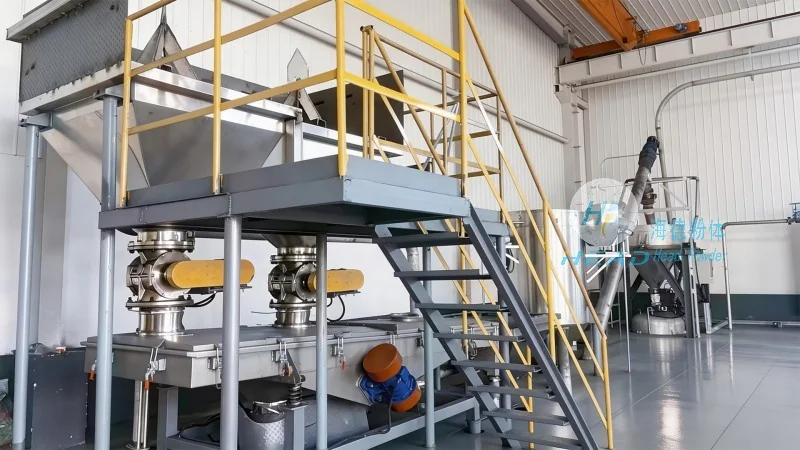
About HeadPowder: Your Expert in Material Handling Solutions
HeadPowder, a leading name in the material handling industry, specializes in designing and manufacturing advanced pneumatic conveying systems. With years of experience and a commitment to quality, HeadPowder provides tailored solutions that meet the unique needs of clients. Based in Shandong, China, HeadPowder leverages its expertise to deliver systems that are not only efficient but also durable and cost-effective. The company's focus on innovation and customer satisfaction has made it a trusted partner for businesses seeking reliable sand transportation solutions.
The Core Design Principles of a River Sand Pneumatic Conveying System
The design of a river sand pneumatic conveying system is based on several key principles that ensure optimal performance and reliability. The primary principle is the use of air as the conveying medium, which allows for the transportation of sand particles through a closed pipeline system. This method eliminates the need for external mechanical components like belts or rollers, reducing maintenance requirements and increasing the system's longevity. The system typically consists of a few main components: a hopper for material storage, a blower or compressor to generate the necessary air pressure, a pipeline network to transport the sand, and a receiver or discharge point where the material is collected.
One of the critical design considerations is the air velocity and pressure required to move the sand particles. The velocity must be sufficient to overcome the gravitational forces acting on the sand and ensure that the particles remain suspended in the air stream. This is often referred to as the "minimum conveying velocity," which varies depending on the size, density, and shape of the sand particles. Engineers use empirical formulas and data from material testing to determine the appropriate air velocity and pressure for a specific application. For example, finer sand particles may require higher air velocities to maintain suspension, while larger particles can be conveyed at lower velocities.
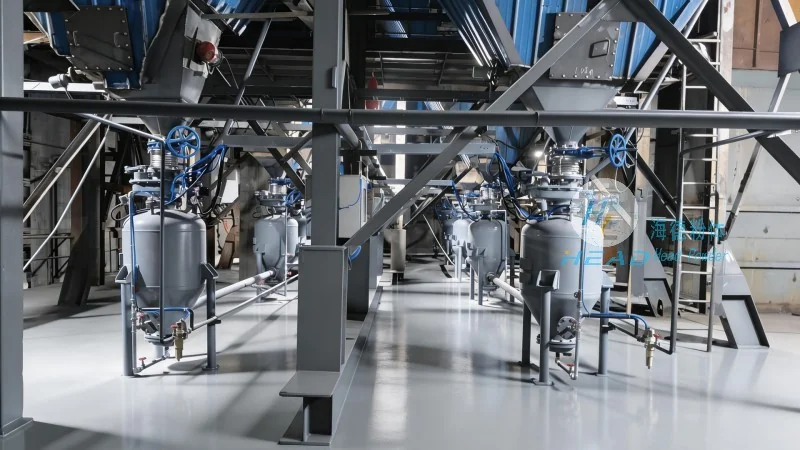
Another important design principle is the system's capacity and flow rate. The capacity of the system is determined by the size of the pipeline, the air pressure, and the material's characteristics. A well-designed system ensures that the flow rate is consistent and can handle the required volume of sand without causing blockages or pressure drops. HeadPowder's engineers use advanced computational fluid dynamics (CFD) simulations to model the flow of sand particles in the pipeline, allowing them to optimize the system's design for maximum efficiency. This approach helps in reducing energy consumption and minimizing the risk of system failures.
The pipeline design is also a crucial aspect of the system's design. The pipeline must be constructed from materials that are resistant to corrosion and abrasion, as sand particles can be abrasive and may cause wear over time. Common materials used for the pipeline include stainless steel, PVC, and polyethylene. The pipeline layout is carefully planned to minimize bends and changes in direction, as sharp turns can cause particle accumulation and reduce the system's efficiency. HeadPowder's design team considers factors such as the system's layout, the distance to be covered, and the number of discharge points when designing the pipeline network.
Control systems are another key component of the river sand pneumatic conveying system's design. These systems monitor and regulate the air pressure, flow rate, and material level in the hopper. Advanced control systems can adjust the blower speed or air pressure in real-time based on the system's load, ensuring optimal performance. This automation helps in reducing human error and improving the system's reliability. HeadPowder integrates state-of-the-art control systems into its pneumatic conveying solutions, providing clients with a seamless and efficient operation.
Applications and Benefits of River Sand Pneumatic Conveying Systems
River sand pneumatic conveying systems are widely used in various industries, including construction, mining, and manufacturing. In the construction industry, these systems are used to transport sand from storage facilities to construction sites, reducing the need for manual handling and transportation. The systems can handle large volumes of sand, making them ideal for projects that require a continuous supply of materials. In the mining industry, they are used to transport sand from mining sites to processing facilities, where it is further processed into concrete or other building materials.
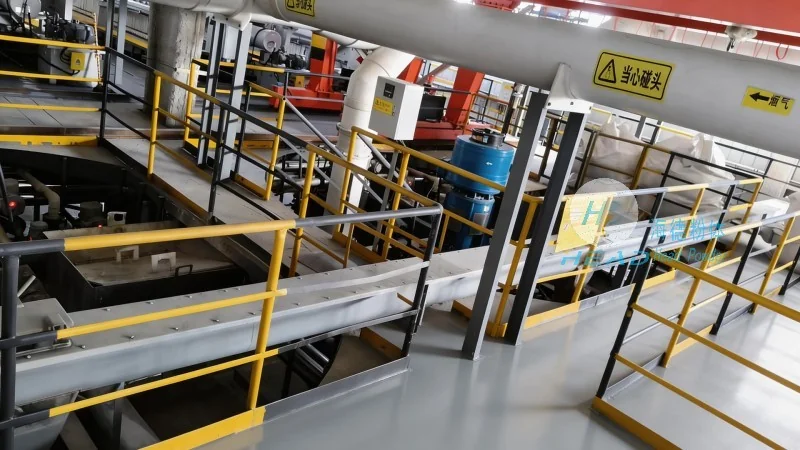
One of the main benefits of using a pneumatic conveying system for river sand is its ability to handle abrasive materials without causing significant wear and tear on the system components. Unlike traditional conveyor belts, which can be damaged by abrasive sand particles, the pipeline system is designed to withstand the abrasive nature of the material. This results in lower maintenance costs and longer system life. Additionally, the system is more hygienic and can be easily cleaned, making it suitable for applications where material contamination is a concern.
Another benefit is the system's flexibility. The pipeline network can be easily modified or expanded to accommodate changes in production requirements. For example, if a construction project requires more sand, the system can be adjusted to increase the flow rate without significant modifications. This flexibility makes the system a cost-effective solution for businesses that need to adapt to changing market conditions.
Energy efficiency is also a key advantage of pneumatic conveying systems. By using compressed air as the conveying medium, the system can transport sand over long distances with minimal energy consumption. HeadPowder's systems are designed to be energy-efficient, with features such as variable speed blowers that adjust the air pressure based on the system's load. This not only reduces energy costs but also contributes to a lower carbon footprint, making the system environmentally friendly.