

What is Flour Pneumatic Conveying? An Introduction to the Working Principle of Powder Handling Syste
Flour pneumatic conveying is a critical process in the food and industrial sectors, particularly for the efficient and hygienic transport of bulk powders like flour. Understanding the working principle of such systems is essential for optimizing production lines and ensuring product quality. This article provides a detailed overview of flour pneumatic conveying, focusing on the core mechanisms and components that enable effective powder handling.
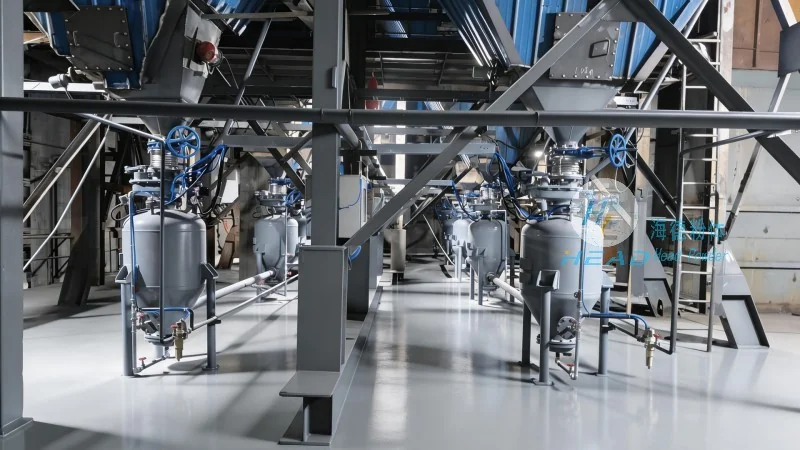
Understanding Pneumatic Conveying Systems
Pneumatic conveying systems utilize air or gas to transport bulk materials through a pipeline network. In the context of flour, these systems are designed to move flour from storage silos or processing units to various destinations such as mixers, packaging lines, or storage containers. The primary advantage of pneumatic conveying is its ability to handle fine powders like flour without the need for mechanical components that could cause contamination or material degradation.
The Working Principle of Flour Pneumatic Conveying
The fundamental principle behind flour pneumatic conveying involves creating a pressure differential within the system. This is typically achieved through a combination of positive pressure (where air is forced into the system) or negative pressure (where air is drawn out). The choice between positive and negative pressure depends on factors like the distance to be covered, the volume of material, and the specific requirements of the application. For flour, positive pressure systems are commonly preferred due to their efficiency in moving fine powders over longer distances.
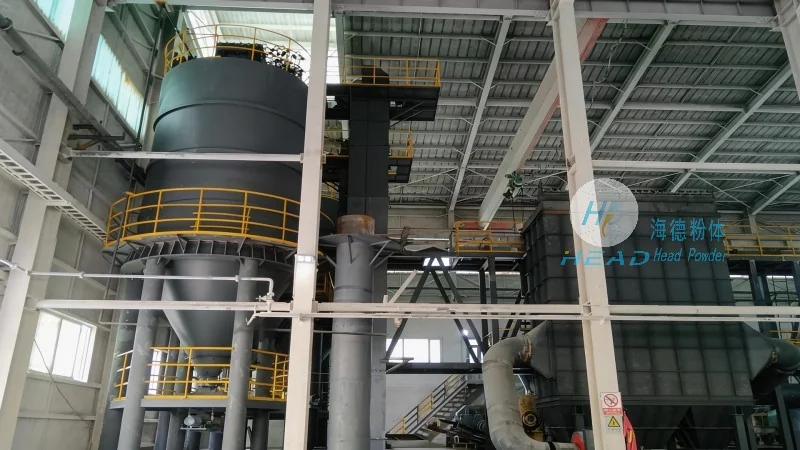
At the heart of a flour pneumatic conveying system are several key components. The system starts with a hopper or silo where the flour is stored. A feeder, often a rotary valve or a screw feeder, controls the flow of flour into the conveying line. The feeder ensures a consistent and controlled rate of material discharge, which is crucial for maintaining system stability and preventing blockages. Next, the material enters the conveying line, which is typically made of stainless steel to meet hygiene standards. The line may include bends, elbows, or other fittings that guide the flow of flour and air.
Key Components and Their Functions
Several critical components work together to ensure the smooth operation of a flour pneumatic conveying system. The air compressor or blower generates the necessary air pressure to move the flour. The air is then mixed with the flour in a venturi or a pressure vessel, creating a slurry of air and powder. The velocity of the air in the line is a key factor; it must be sufficient to keep the flour particles suspended and prevent them from settling or clogging the pipeline. The system may also include filters and cyclones to separate the flour from the air at the receiving end, ensuring that the material is delivered in a clean and dry state.
Advantages of Flour Pneumatic Conveying
Flour pneumatic conveying offers several advantages over traditional mechanical conveying methods. One of the most significant benefits is the hygienic nature of the system. Since the flour never comes into direct contact with metal or other materials, there is minimal risk of contamination or cross-contamination, which is critical in food processing applications. Additionally, pneumatic systems are highly flexible and can be easily reconfigured to accommodate changes in production needs or facility layouts. They also reduce labor costs by automating the material handling process and minimizing the need for manual intervention.
Applications in the Flour Industry
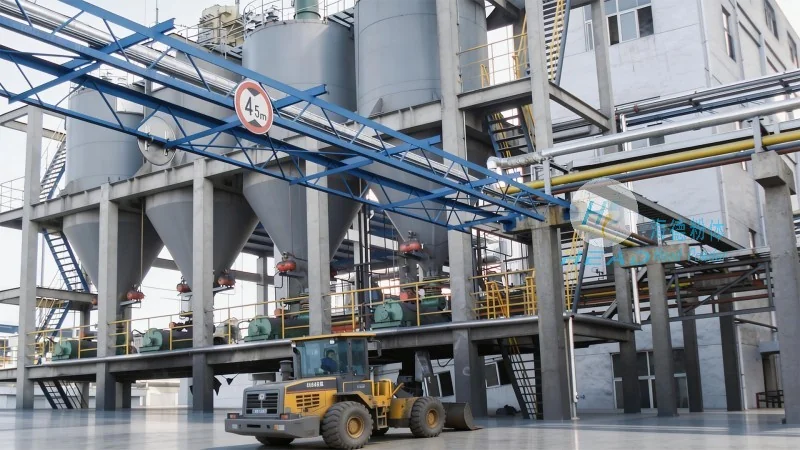
Flour pneumatic conveying is widely used in various stages of flour processing and distribution. In milling operations, the system is used to transport flour from the grinding mills to storage silos or packaging lines. In bakeries and food manufacturing plants, it is employed to move flour from storage to mixing equipment or to packaging machines. The ability to handle large volumes of flour efficiently and hygienically makes pneumatic conveying an essential technology in modern flour processing.
Conclusion
Flour pneumatic conveying is a sophisticated and efficient method for transporting bulk powders like flour. By leveraging the principles of air movement and pressure differentials, these systems provide a hygienic, flexible, and cost-effective solution for material handling in the food industry. As a leading provider of powder handling solutions, Shandong HeadPowder Engineering Co., Ltd. specializes in designing and manufacturing custom pneumatic conveying systems tailored to the specific needs of flour processing facilities. With a focus on quality, hygiene, and efficiency, HeadPowder ensures that flour is transported safely and effectively, supporting the smooth operation of food production lines.