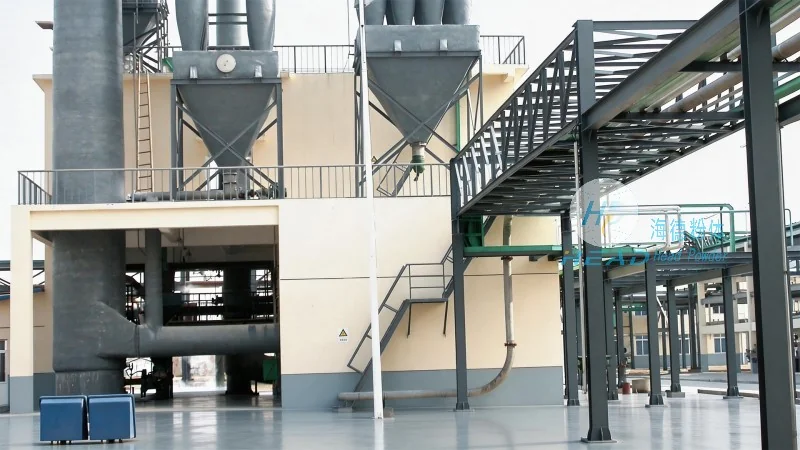
Iron sand pneumatic conveying is a specialized method used in the powder handling industry to transport bulk materials like iron sand through a pipeline using compressed air. This technology is crucial for industries dealing with fine or abrasive powders, offering an efficient and flexible solution for material transfer. The following article provides a detailed explanation of the working principle of such systems, highlighting the key components and operational mechanisms involved.
Understanding Iron Sand Pneumatic Conveying
Pneumatic conveying systems, including those for iron sand, are designed to move dry bulk materials from one location to another without the need for mechanical components like belts or buckets. Instead, they rely on the force of compressed air to create a flow that carries the material through a network of pipes. This method is particularly advantageous for materials that are difficult to handle using traditional methods, such as iron sand, which can be abrasive and prone to caking or segregation.
The Working Principle of Powder Handling Systems
The core of a pneumatic conveying system is the ability to generate a consistent flow of air that can transport the material. The process typically involves several key steps: material feeding, air compression, and material transport. The system starts with the material being introduced into a hopper or feeder, where it is then drawn into the pipeline by the moving air. Compressed air is supplied from a blower or compressor, creating a pressure differential that propels the material forward. The air and material mixture travels through the pipeline, often passing through bends and valves, before being separated at the destination point.
Key Components of the Conveying System
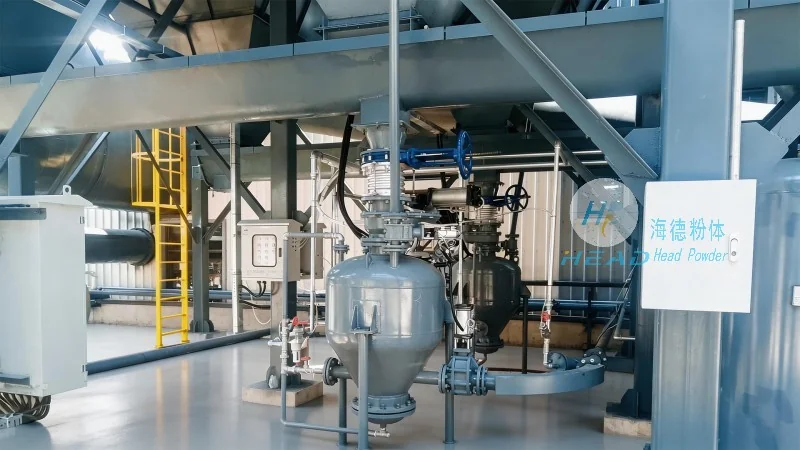
Several components work together to ensure the efficient operation of a pneumatic conveying system for iron sand. These include the feeder or hopper, which holds the material and regulates its flow into the system; the air compressor or blower, which provides the necessary pressure to move the material; the pipeline network, which forms the path for the material and air; and the receiver or discharge unit, where the material is collected after transport. Additional components may include filters, cyclones, and control valves to manage the air and material mixture, ensuring optimal performance and preventing system blockages.
How the System Operates Step-by-Step
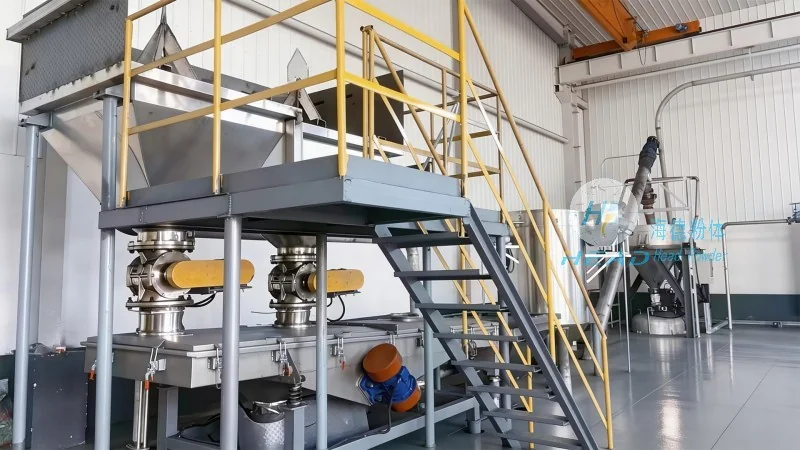
Let's break down the operational process of an iron sand pneumatic conveying system. First, the iron sand is stored in a hopper or silo, from which it is gravity-fed into the feeder. The feeder then controls the flow rate, ensuring a consistent supply of material to the system. Simultaneously, the air compressor generates compressed air, which is directed into the pipeline. As the air flows through the feeder, it creates a negative pressure that draws the iron sand into the pipeline. The air and material mixture then travels through the pipeline, moving through various sections such as straight runs, bends, and possibly vertical lifts. At the end of the pipeline, the mixture enters a receiver or cyclone separator, where the air is separated from the iron sand. The iron sand is collected in the receiver, while the air is either recirculated back to the system or vented to the atmosphere, depending on the system design.
Applications and Benefits for Iron Sand Handling
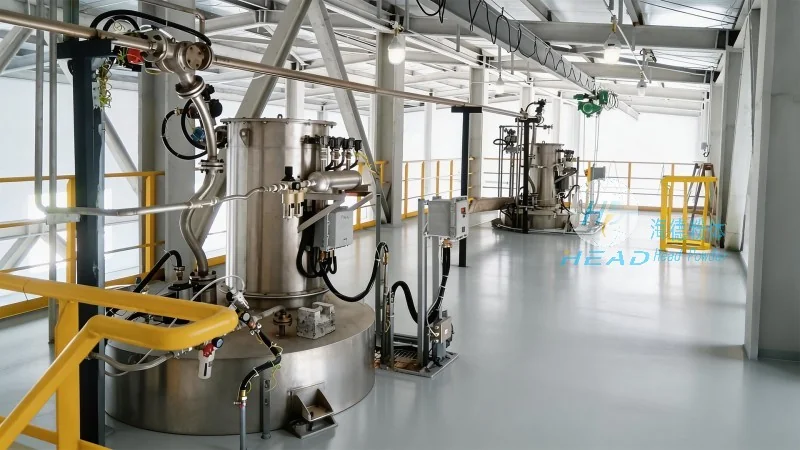
Iron sand pneumatic conveying systems are widely used in various industries that require the transport of iron sand, including mining, metallurgy, and manufacturing. The primary benefits of this method include the ability to handle abrasive materials without causing wear to the system components, the flexibility to transport materials over long distances or through complex layouts, and the reduced risk of material contamination compared to other handling methods. Additionally, pneumatic conveying systems can be designed to handle varying material flow rates, making them suitable for both small-scale and large-scale operations.
Conclusion and Company Overview
Iron sand pneumatic conveying is a reliable and efficient method for transporting bulk materials like iron sand. By understanding the working principle and key components of these systems, industries can optimize their material handling processes, improving productivity and reducing operational costs. Shandong HeadPowder Engineering Co., Ltd., a leading provider of powder handling solutions, specializes in designing and manufacturing pneumatic conveying systems tailored to the specific needs of their clients. With a focus on quality and innovation, HeadPowder ensures that their systems meet the highest standards of performance and durability, providing long-term value to their customers. Based in Shandong, China, HeadPowder leverages its expertise to deliver customized solutions for a wide range of powder handling applications.




