When considering glass fiber pneumatic conveying systems, it's essential to understand the key components that make up this technology. These systems are designed to efficiently transport glass fiber materials through a pneumatic process, combining air and mechanical forces to move the material from one location to another. The components of such a system are integral to its performance, reliability, and overall functionality.
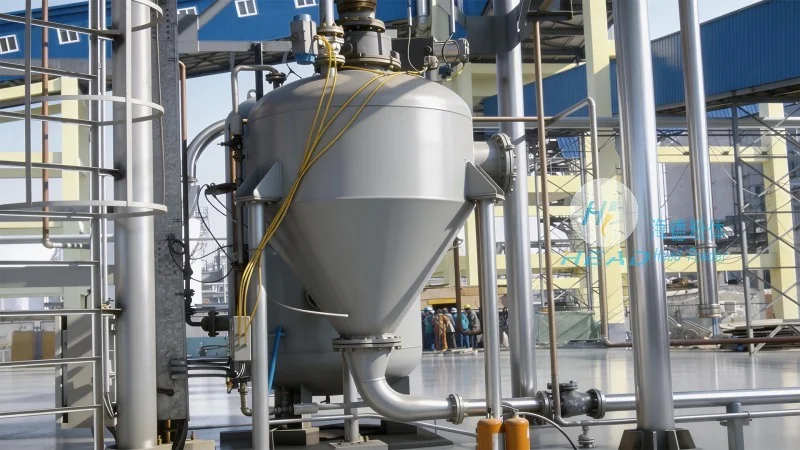
Core Components of Glass Fiber Pneumatic Conveying Systems
The primary components of a glass fiber pneumatic conveying system typically include the material feed hopper, the conveying line (often with a pipeline and associated fittings), the air source (such as a blower or compressor), and the control system. Each of these elements plays a critical role in the operation of the system.
Material Feed Hopper
The material feed hopper is the starting point for the conveying process. It is designed to hold the glass fiber material and feed it into the conveying line in a controlled manner. The hopper may include features like a discharge valve or a vibratory feeder to ensure a consistent flow of material. The design of the hopper is crucial for preventing material buildup and ensuring that the glass fibers are introduced smoothly into the system.
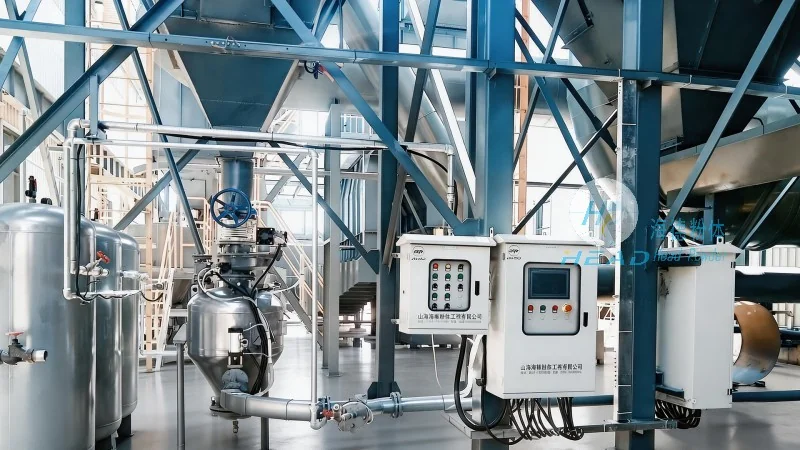
Conveying Line and Pipeline
The conveying line, which is typically made of materials like stainless steel or specialized plastic, forms the main pathway for the glass fiber material and the air. The pipeline is equipped with fittings such as elbows, tees, and reducers to direct the flow and maintain the pressure within the system. The choice of material for the pipeline is important to prevent corrosion or wear from the glass fibers, which can be abrasive. Additionally, the line may include filters or cyclones to separate the glass fibers from the air at the end of the conveying process.
Air Source and Blower/Compressor
The air source is a critical component that provides the necessary pressure and volume of air to move the glass fiber material through the pipeline. This can be achieved using a blower or a compressor, depending on the system's requirements. The air source must be capable of maintaining the required pressure to ensure the material is conveyed efficiently and without clogging. Proper maintenance of the air source is essential to ensure consistent performance and prevent issues like air leaks or pressure fluctuations.
Control System
The control system manages the operation of the entire glass fiber pneumatic conveying system. It includes sensors, valves, and a control panel that monitors and adjusts the flow of material and air. The control system may include features like pressure sensors, flow meters, and alarms to detect and address any issues that may arise during operation. This helps to ensure the system operates safely and efficiently, minimizing downtime and maximizing productivity.
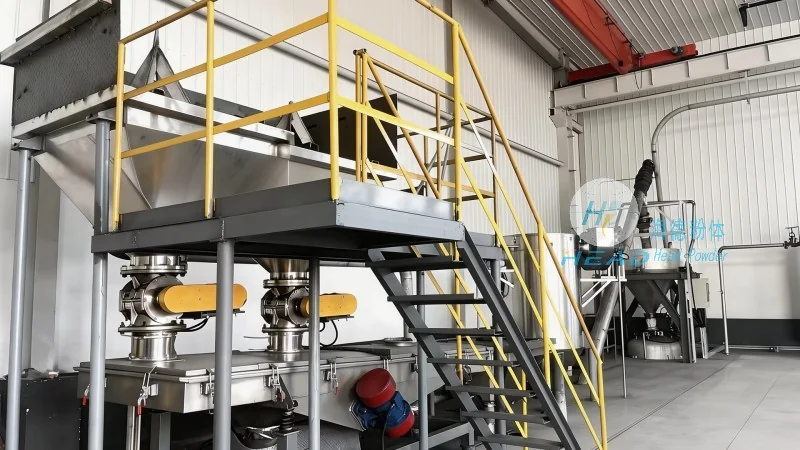
Additional Components and Considerations
Depending on the specific application and the characteristics of the glass fiber material, additional components may be included in the system. For example, some systems may include a pre-drying unit to reduce moisture content in the material, or a cooling system to prevent overheating. The design of the system must also consider factors such as the particle size and density of the glass fibers, as these can affect the conveying efficiency and the required air pressure.
In summary, glass fiber pneumatic conveying systems are composed of several key components that work together to efficiently transport glass fiber materials. These components include the material feed hopper, the conveying line and pipeline, the air source, and the control system. Each of these elements is carefully designed and integrated to ensure the system operates reliably and effectively, meeting the needs of various industrial applications.




