

Advantages and Disadvantages of Negative Pressure vs. Positive Pressure Conveying in Polyacrylamide
When it comes to the pneumatic transport of polyacrylamide (PAM), a key decision for industrial operations involves choosing between negative pressure and positive pressure conveying systems. This comparison is particularly relevant for users of polyacrylamide, a widely used chemical in water treatment and industrial processes. The analysis below is provided by Shandong HeadPowder Engineering Co., Ltd., a leading manufacturer specializing in polyacrylamide products and conveying solutions, based in China.
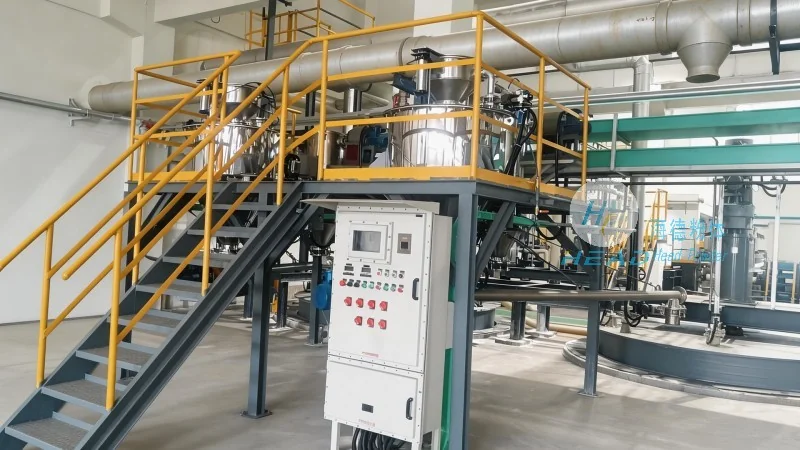
Overview of Pneumatic Conveying Systems
Pneumatic conveying is a widely used method for transporting bulk materials like polyacrylamide, which is often in powder or granular form. The primary goal is to move the material from a source to a destination using air as the transport medium. The two main categories are negative pressure (or suction) and positive pressure (or pressure) systems. Understanding the differences between these systems is crucial for selecting the most suitable option based on specific operational requirements.
Positive Pressure Conveying Systems
Positive pressure conveying operates by blowing air into the conveying line, creating a pressure higher than the ambient air. This method is commonly used for short to medium-distance transport and for materials that are less abrasive or have lower dust generation. The system typically includes a blower or compressor at the inlet, which forces air and material through the pipeline. A key advantage of positive pressure systems is their ability to handle a wide range of particle sizes and densities without requiring high air velocities. This makes them suitable for transporting PAM in various forms, including dry powders and granules.
From an operational perspective, positive pressure systems are generally easier to maintain and repair. The equipment is often simpler, with fewer components that can fail. Additionally, positive pressure systems are less prone to clogging in the conveying line, as the higher air pressure helps to keep the material in suspension. However, one major drawback is the potential for air leakage, which can lead to increased energy consumption and reduced efficiency. Another consideration is the noise level, as blowers and compressors can generate significant noise, requiring proper soundproofing in industrial settings.
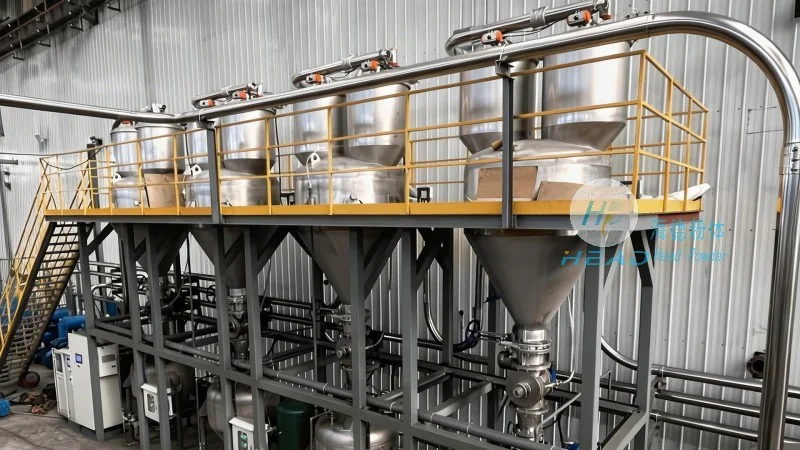
Negative Pressure Conveying Systems
Negative pressure conveying, also known as suction conveying, works by creating a vacuum at the inlet, drawing material into the conveying line. This method is ideal for long-distance transport and for materials that are more dusty or have higher moisture content. The system uses a vacuum pump or fan at the discharge end to pull air and material through the pipeline. A significant advantage of negative pressure systems is their ability to handle longer distances without significant pressure drops, as the vacuum helps maintain material flow over extended lengths.
One of the key benefits of negative pressure systems is their lower energy consumption compared to positive pressure systems, especially for long-distance transport. The vacuum pump operates at lower pressures, reducing the overall energy demand. Additionally, negative pressure systems are less likely to cause dust explosions, as the material is drawn into the system rather than being forced out. This makes them safer for handling potentially flammable or explosive powders. However, negative pressure systems are more susceptible to clogging and blockages, particularly if the material contains large particles or is highly cohesive. Regular maintenance and cleaning of the suction line are essential to prevent system downtime.
Comparative Analysis: Key Factors to Consider
When comparing negative pressure and positive pressure conveying for polyacrylamide, several factors must be evaluated to determine the optimal system. The first consideration is the distance of transport. For short distances (typically less than 50 meters), positive pressure systems are often more cost-effective and efficient. For longer distances (over 50 meters), negative pressure systems may be more suitable due to their ability to maintain material flow over extended lengths.
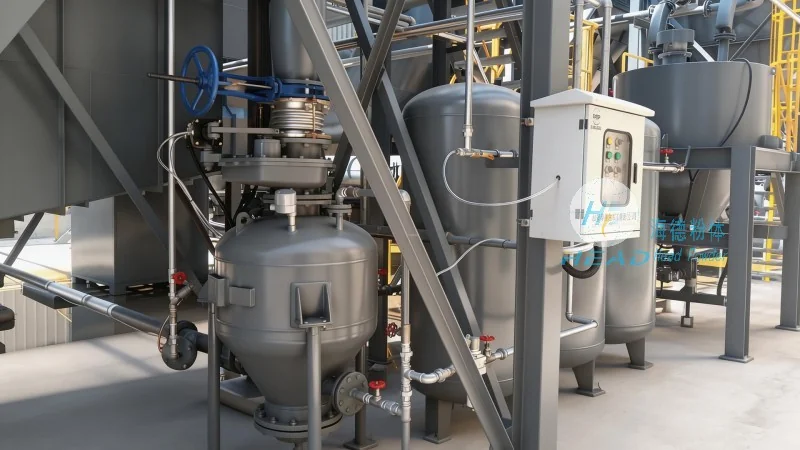
Another critical factor is the material characteristics. Positive pressure systems are better suited for non-abrasive materials with low dust generation, such as fine PAM powders. Negative pressure systems are preferred for materials that are more abrasive or have higher dust content, as the suction process reduces the risk of material buildup in the line. The density and particle size of the PAM also play a role; larger or denser particles may require higher air velocities in positive pressure systems, which can increase energy costs.
Operational costs are a significant consideration. Positive pressure systems generally have higher energy consumption due to the need to maintain higher air pressures. Negative pressure systems, while lower in energy use for long distances, may require more frequent maintenance due to the higher risk of clogging. The initial investment cost is also different; positive pressure systems often have lower upfront costs, while negative pressure systems may require more robust equipment to handle the vacuum and long-distance transport.
Application Examples and Practical Recommendations
Industrial applications of PAM pneumatic conveying vary widely, and the choice between negative and positive pressure systems depends on the specific use case. For example, in water treatment plants, where PAM is used as a flocculant, positive pressure systems are commonly used for short-distance transport from storage to the dosing point. The system is typically compact and easy to integrate into existing infrastructure, making it a practical choice for these applications.
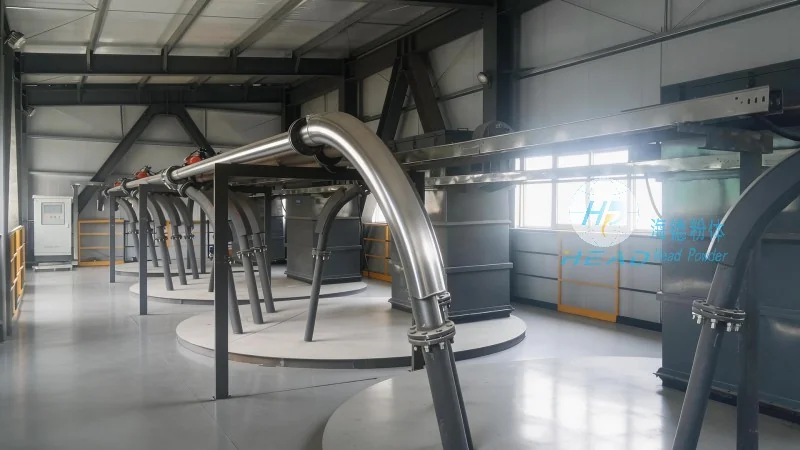
In contrast, for large-scale PAM production facilities located in different parts of a plant, negative pressure systems may be more appropriate for moving the material over longer distances to processing units. The lower energy consumption and reduced noise levels make negative pressure systems preferable in such scenarios, especially when the plant has strict environmental regulations regarding air emissions and noise pollution.
From a maintenance perspective, both systems require regular inspection and cleaning to ensure optimal performance. Positive pressure systems may need more frequent cleaning of the blower and pipeline to prevent dust accumulation, while negative pressure systems require more attention to the vacuum pump and suction line to avoid clogs. The choice of system should also consider the availability of skilled personnel for maintenance, as negative pressure systems may require more specialized knowledge due to their vacuum components.
Conclusion
In conclusion, the choice between negative pressure and positive pressure conveying for polyacrylamide depends on a combination of factors including transport distance, material characteristics, operational costs, and safety considerations. Positive pressure systems offer advantages in terms of simplicity, lower risk of clogging, and suitability for short-distance transport. Negative pressure systems excel in long-distance transport, lower energy consumption, and enhanced safety for dusty or potentially explosive materials. Industrial users should conduct a thorough analysis of their specific needs before selecting a system to ensure optimal performance and cost-effectiveness.