

Advantages and Disadvantages of Negative Pressure and Positive Pressure Conveying for Phosphorus Pen
Phosphorus pentoxide (P₂O₅), a critical industrial chemical, is widely used in various applications such as the production of phosphoric acid, flame retardants, and specialty chemicals. The efficient and safe transportation of this material is essential for industrial operations. Among the methods used for pneumatic conveying, negative pressure and positive pressure systems are two primary approaches. This article provides a detailed comparison of the advantages and disadvantages of negative pressure versus positive pressure conveying for phosphorus pentoxide, helping industrial operators make informed decisions based on their specific operational needs.
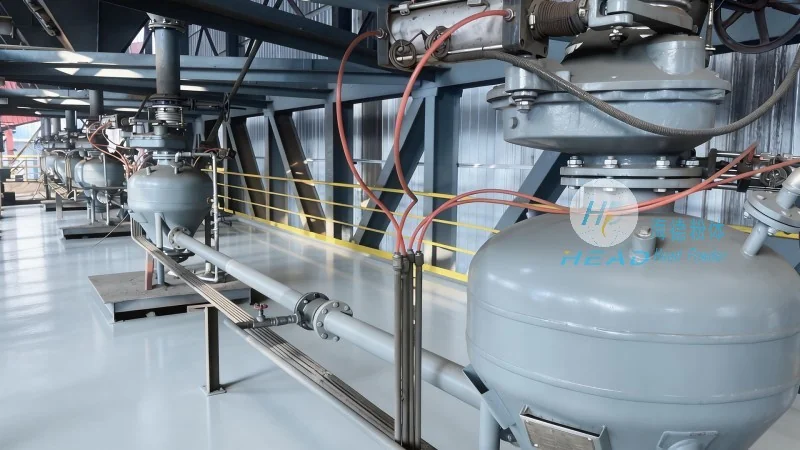
Introduction to Pneumatic Conveying Systems
Pneumatic conveying is a method of transporting bulk materials through a pipeline using air or gas as the conveying medium. It is widely adopted in industries dealing with powders and granules due to its ability to handle fine and abrasive materials like phosphorus pentoxide. The two main types of pneumatic conveying systems are negative pressure (or suction) and positive pressure (or pressure) systems. Each system operates on a different principle, leading to distinct characteristics in terms of efficiency, cost, and operational safety.
Company Profile: Shandong HeadPowder Engineering Co., Ltd.
Shandong HeadPowder Engineering Co., Ltd., commonly known as headpowder, is a leading provider of engineering solutions for material handling and processing. With a focus on innovative and efficient conveying systems, the company specializes in designing and manufacturing equipment tailored to the unique requirements of industries dealing with hazardous or sensitive materials. The company's headquarters is located in Shandong, China, and it serves clients globally with customized solutions for pneumatic conveying and other material handling applications.
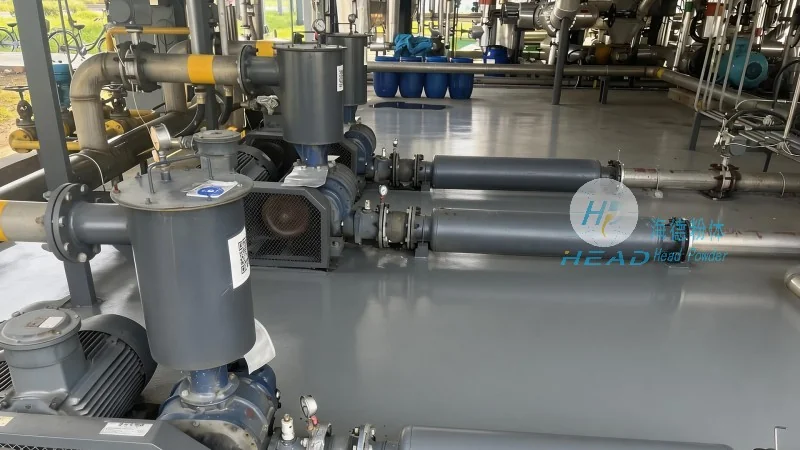
Negative Pressure (Suction) Conveying for Phosphorus Pentoxide
Negative pressure conveying operates by creating a vacuum at the material inlet, drawing the material into the pipeline using the pressure differential between the inlet and the system's outlet. This method is particularly suitable for applications where the material is to be transported from a central collection point to a processing facility. The primary advantages of negative pressure systems include lower initial capital costs compared to positive pressure systems, as they typically require less robust equipment and fewer components. Additionally, negative pressure conveying is often preferred for handling materials that are sensitive to pressure or temperature changes, as the system operates at lower pressures, minimizing the risk of material degradation.
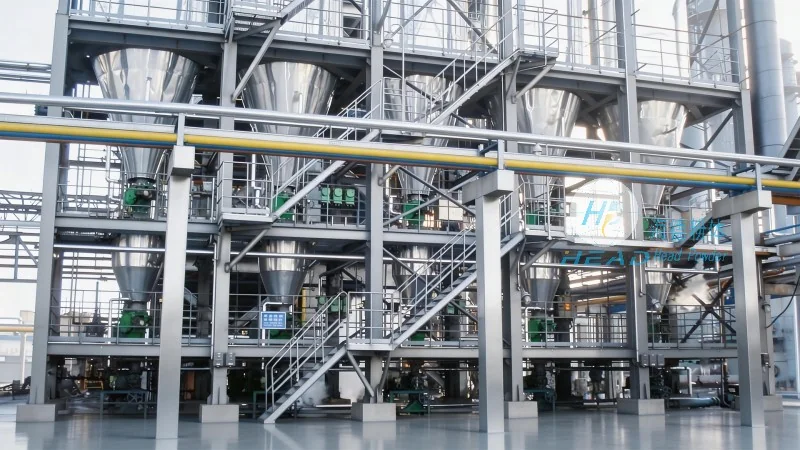
However, negative pressure systems have several notable disadvantages. One of the most significant drawbacks is the limited conveying distance and capacity. The vacuum created by the system can only effectively transport materials over short distances, typically up to a few hundred meters. This limitation makes negative pressure systems unsuitable for long-distance or high-volume transportation of phosphorus pentoxide. Another disadvantage is the higher energy consumption required to maintain the vacuum, as the system must continuously operate the vacuum pump to sustain the pressure differential. Furthermore, negative pressure conveying can be more prone to air leakage and material spillage at the inlet, which may pose safety risks and reduce overall efficiency.
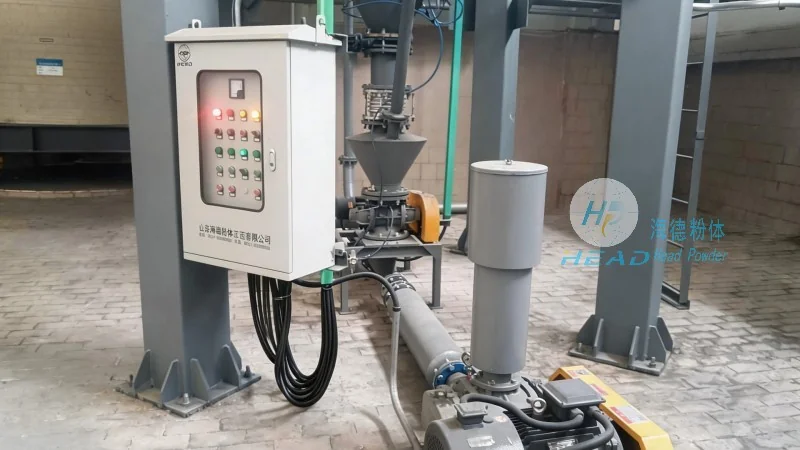
Positive Pressure (Pressure) Conveying for Phosphorus Pentoxide
Positive pressure conveying, on the other hand, uses compressed air or gas to push the material through the pipeline. The system operates by injecting high-pressure air at the material inlet, creating a pressure higher than the ambient air pressure, which forces the material to move along the pipeline. This method is ideal for long-distance and high-volume transportation of phosphorus pentoxide, as it can effectively transport materials over several kilometers with minimal pressure loss.
The primary advantages of positive pressure systems include their ability to handle longer conveying distances and higher material volumes. They are also more efficient in terms of energy consumption for long-distance transport, as the compressed air is used to maintain the pressure throughout the pipeline. Additionally, positive pressure conveying offers better control over the material flow rate and can be integrated with other processing equipment more easily. This makes it suitable for applications where the material needs to be delivered to multiple processing points or where the system needs to be integrated with existing infrastructure.