When it comes to efficiently handling and transporting rice husk powder, selecting the right air-pneumatic conveying structure is crucial. The process involves understanding the material properties, flow characteristics, and operational requirements to ensure optimal performance and minimal downtime. In this article, we explore the main air-pneumatic conveying structures used for rice husk powder, focusing on their design, functionality, and suitability for industrial applications.
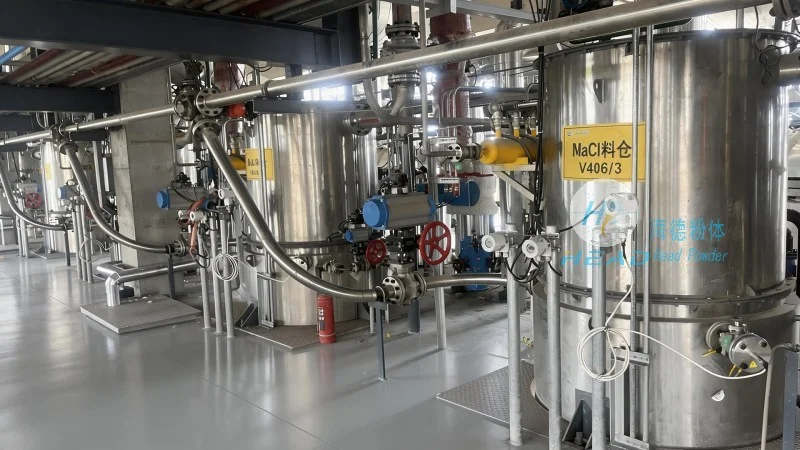
Key Air-Pneumatic Conveying Structures for Rice Husk Powder
There are several primary air-pneumatic conveying structures commonly employed in the handling of rice husk powder. These systems are designed to move bulk materials through a pipeline using a combination of air pressure and material density. The main types include:
1. Dilute Phase Conveying - This is the most common method for rice husk powder, where the material is suspended in a high-velocity air stream. The system operates at relatively low pressure and is ideal for long-distance transport. The dilute phase ensures that the material remains in a fluidized state, reducing friction and wear on the pipeline.
2. Dense Phase Conveying - Also known as low-pressure or high-density conveying, this method involves a slower air velocity and higher material concentration. It is suitable for transporting sensitive materials or when longer distances are required without excessive pressure drops. Dense phase conveying minimizes material degradation and is often used in applications where product quality is paramount.
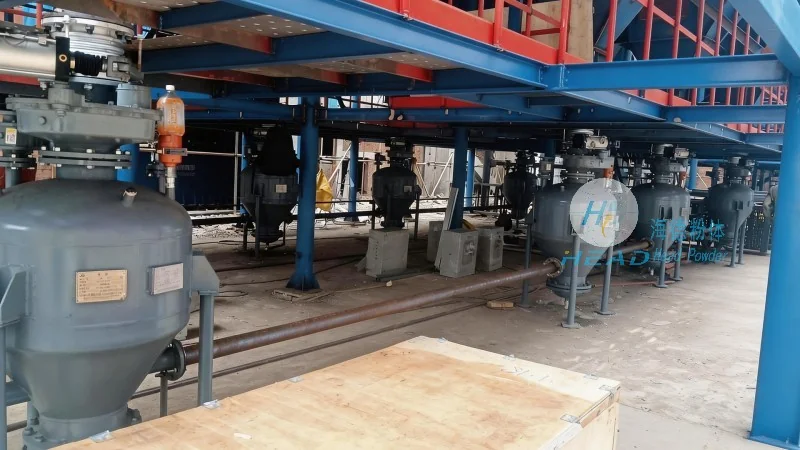
3. Pressure Conveying - This structure operates under positive pressure, where the material is pushed through the pipeline using compressed air. It is effective for short to medium distances and is commonly used in industrial settings where high flow rates are needed. Pressure conveying systems are typically more complex and require robust components to handle the higher pressures.
4. Vacuum Conveying - In contrast to pressure conveying, vacuum systems use negative pressure to draw the material into the pipeline. This method is ideal for applications where the material needs to be collected from multiple points or where the source is at a higher elevation. Vacuum conveying is often used in situations where the material is light and may be prone to dust or contamination.
Design Considerations for Air-Pneumatic Conveying Structures
When selecting an air-pneumatic conveying structure for rice husk powder, several factors must be considered to ensure efficiency and reliability. These include:
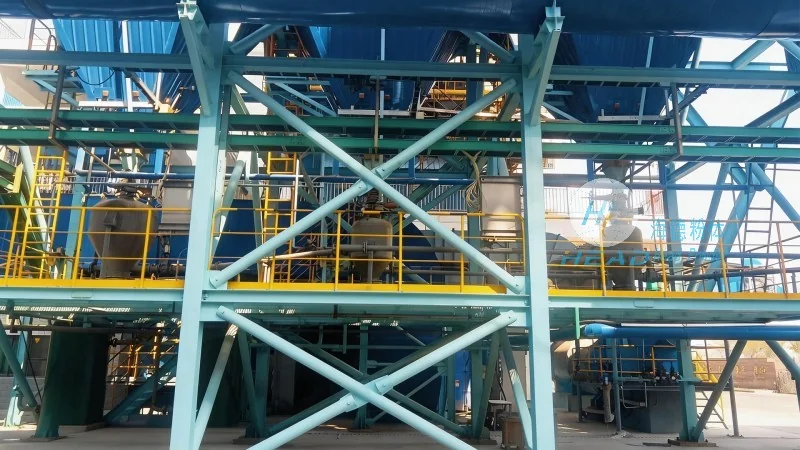
Material Properties - Rice husk powder is a lightweight, abrasive material with specific flow characteristics. The conveying system must be designed to handle these properties, such as the material's bulk density, particle size distribution, and moisture content. Abrasiveness can lead to wear on the pipeline and components, so materials like stainless steel or special coatings are often used.
System Efficiency - The efficiency of the conveying system is measured by the pressure drop per unit length and the overall power consumption. A well-designed system minimizes energy loss and maximizes material throughput. Factors like pipeline diameter, air velocity, and the number of bends or fittings all impact system efficiency.
Operational Requirements - The specific needs of the application, such as the distance to be covered, the required flow rate, and the number of collection points, influence the choice of structure. For example, a dilute phase system may be suitable for short distances with high flow rates, while a vacuum system is better for collecting material from multiple sources.
Application Examples and Benefits
Air-pneumatic conveying structures for rice husk powder are widely used in various industrial applications. Some common examples include:
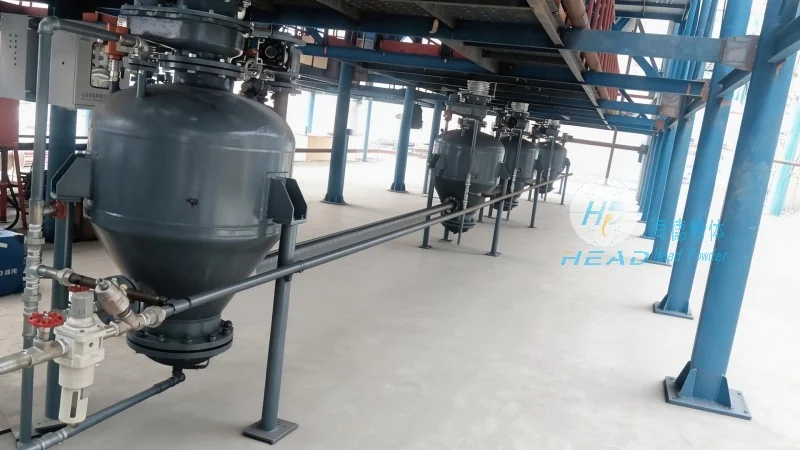
Power Generation - In biomass power plants, rice husk powder is used as a fuel source. The conveying system must reliably transport the fuel to the boiler, ensuring consistent combustion and energy production. The benefits of using air-pneumatic conveying include reduced handling time, lower labor costs, and improved safety compared to manual handling.
Animal Feed Production - Rice husk powder is sometimes used as a component in animal feed. The conveying system must handle the material without causing degradation or contamination. The benefits include maintaining the material's quality, reducing dust emissions, and enabling automated feed production processes.
Industrial Processing - In some industrial processes, rice husk powder is used as a raw material or filler. The conveying system must be able to transport the material to the processing equipment efficiently. The benefits include improved process control, reduced downtime, and the ability to handle large volumes of material.




