

[MATCHED]Main Structures of Sodium Nitrate Pneumatic Conveying Systems
For industrial applications involving sodium nitrate, the design and implementation of efficient pneumatic conveying systems are critical to ensure safe and reliable material transport. The main structures of such systems are tailored to handle the specific properties of sodium nitrate, including its granular form, chemical stability, and potential dust generation. This article outlines the key components and structural elements that constitute a typical sodium nitrate pneumatic conveying system, emphasizing the engineering considerations that ensure optimal performance and safety. The systems are engineered by Shandong HeadPowder Engineering Co., Ltd., a leading provider of specialized material handling solutions based in Shandong, China.
1. Pneumatic Conveying Pipeline System
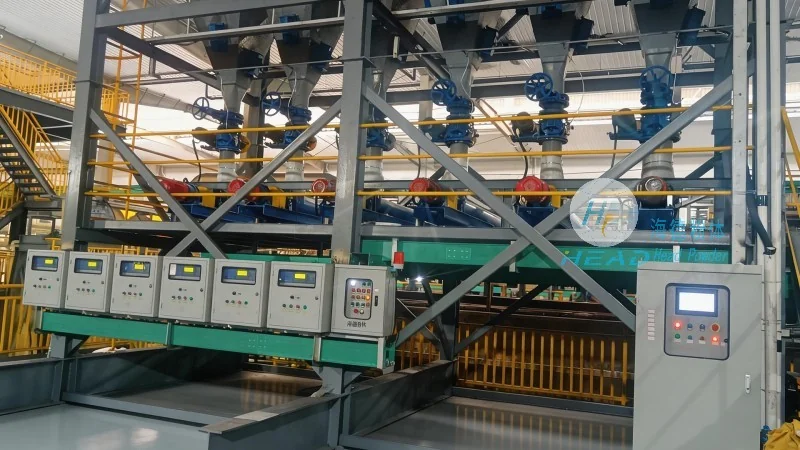
The pipeline system is the backbone of any pneumatic conveying setup, responsible for transporting sodium nitrate particles through a network of ducts. For sodium nitrate, which is typically in a granular or powdered state, the pipeline design must account for factors such as particle size, flow rate, and pressure differentials. The system generally consists of horizontal and vertical sections, with bends and elbows strategically placed to minimize pressure loss and prevent particle deposition. Materials used for the pipeline, such as stainless steel or high-density polyethylene, are selected for their resistance to corrosion and chemical compatibility with sodium nitrate. The pipeline is equipped with pressure sensors and flow meters to monitor real-time performance and ensure consistent material transport.
2. Material Feeding and Conditioning Equipment
The feeding and conditioning equipment is responsible for introducing sodium nitrate into the conveying system and preparing it for transport. This component typically includes a hopper or bin that stores the raw material, a feeder (such as a rotary valve or screw feeder) that controls the flow rate, and a pre-conditioning unit. For sodium nitrate, which can be prone to bridging or caking in storage, the feeder is designed to ensure a uniform and continuous flow. The pre-conditioning unit may include a vibratory feeder or a rotary airlock to break up agglomerates and maintain consistent particle size. This step is crucial for preventing blockages in the pipeline and ensuring smooth operation of the entire system.
3. Air Supply and Compression Unit
The air supply and compression unit provides the necessary airflow and pressure to move sodium nitrate particles through the pipeline. This component typically consists of a blower or compressor, air filters, and a control system. The choice of equipment depends on the required flow rate and pressure, with considerations for energy efficiency and noise reduction. For sodium nitrate applications, the air supply must be clean and dry to avoid contamination of the material and to prevent corrosion in the system components. The unit is equipped with safety features, such as pressure relief valves, to protect against over-pressurization and ensure safe operation.
4. Material Separation and Collection System
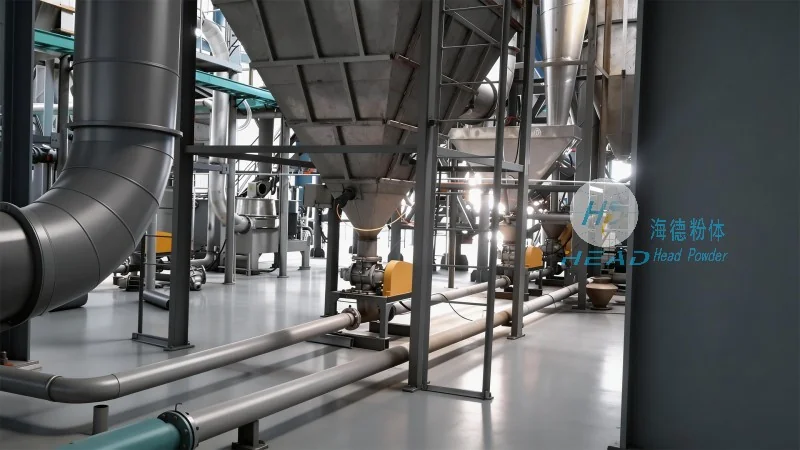
At the receiving end of the pneumatic conveying system, the material separation and collection system is responsible for separating the sodium nitrate particles from the air stream and collecting them in a designated container. This component typically includes a cyclone separator, a bag filter, or a venturi scrubber. The cyclone separator uses centrifugal force to separate particles from the air, while the bag filter captures fine particles using fabric bags. For sodium nitrate, which can be a respiratory hazard if inhaled, the separation system must be designed to achieve high efficiency and minimize dust emissions. The collected material is then transferred to a storage bin or processing unit, completing the conveying process.
5. Control and Monitoring System
The control and monitoring system is essential for managing the operation of the sodium nitrate pneumatic conveying system. This component includes sensors, controllers, and a human-machine interface (HMI) that allows operators to monitor and adjust system parameters in real time. The system monitors key variables such as pressure, flow rate, temperature, and material level, providing alerts for any deviations from normal operation. For sodium nitrate, which can be sensitive to temperature and pressure changes, the control system ensures stable and consistent performance. The HMI allows operators to adjust settings such as airflow rate, feeder speed, and pressure, optimizing the system for different production requirements. This level of control enhances safety and efficiency, reducing downtime and improving overall productivity.
6. Safety and Environmental Considerations
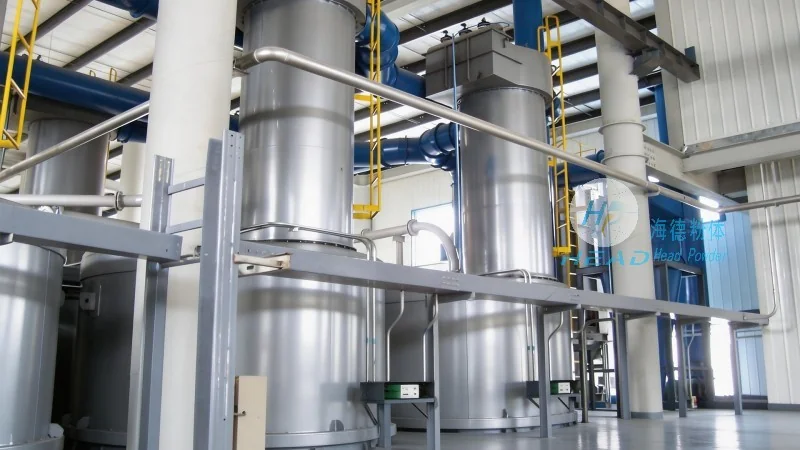
When designing a sodium nitrate pneumatic conveying system, safety and environmental considerations are paramount. Sodium nitrate is a hazardous material due to its potential to cause respiratory irritation and other health issues if inhaled in large quantities. The system must be equipped with dust collection and ventilation systems to minimize exposure risks. Additionally, the pipeline and equipment must be designed to prevent leaks and spills, as sodium nitrate can be harmful to the environment if released. The control system includes safety interlocks to shut down the system in case of abnormal conditions, such as overpressure or blockages. Regular maintenance and inspections are also required to ensure the system remains in good working condition and complies with safety regulations.
7. Customization and Integration
Due to the diverse nature of industrial applications, sodium nitrate pneumatic conveying systems are often customized to meet specific requirements. The system design may vary based on factors such as the scale of operation, the distance of transport, and the specific properties of the sodium nitrate being handled. Customization may include adjustments to the pipeline diameter, the type of feeder, or the capacity of the separation system. Integration with other processing equipment, such as mixers or reactors, is also common, allowing for a seamless flow of material from one stage to the next. The goal of customization is to optimize the system for maximum efficiency, safety, and cost-effectiveness, ensuring that it meets the unique needs of the user.
8. Maintenance and Troubleshooting
Maintaining the performance of a sodium nitrate pneumatic conveying system requires regular maintenance and troubleshooting. Common maintenance tasks include cleaning the pipeline and equipment, replacing filters, and inspecting for wear and tear. Troubleshooting is necessary to address issues such as blockages, pressure loss, or reduced flow rate. The control system provides diagnostic information that helps identify the root cause of problems, allowing for quick and effective resolution. Regular maintenance schedules and training for operators are essential to ensure the system operates at peak performance and to minimize downtime. By following proper maintenance procedures, the system can be kept in optimal condition, extending its lifespan and reducing long-term costs.