HeadPowder, a leading provider in the field of material handling solutions, specializes in advanced pneumatic conveying systems tailored for the handling of gypsum and lime materials. This article explores the fundamentals of gypsum and lime pneumatic conveying, outlines the various classifications of pneumatic conveying systems, and discusses practical applications across different industries.
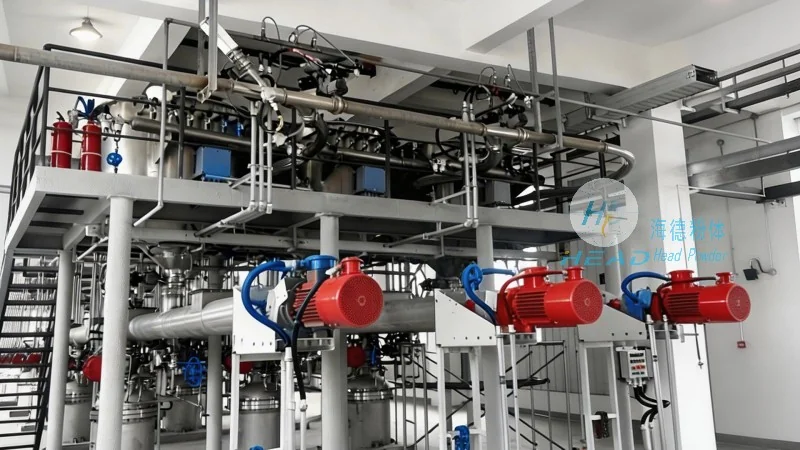
Understanding Gypsum and Lime Pneumatic Conveying
Gypsum and lime pneumatic conveying refers to the process of transporting bulk materials such as gypsum powder and lime through a pipeline using air or other gas as the conveying medium. This method offers several advantages over traditional mechanical conveying systems, including reduced equipment wear, lower maintenance costs, and the ability to handle materials in a dust-free environment. The core principle involves creating a pressure differential within the pipeline to move the material from the source to the destination. HeadPowder's expertise lies in designing and implementing efficient pneumatic conveying solutions that optimize material flow while ensuring compliance with industry standards and safety regulations.
Classification of Pneumatic Conveying Systems
Pneumatic conveying systems are broadly classified into two main categories: pressure and vacuum systems. Each type has distinct characteristics and is suitable for different material handling scenarios.
Pressure Pneumatic Conveying
Pressure systems utilize compressed air to push material through the pipeline. They are typically used for short to medium distance conveying and are ideal for handling materials that are free-flowing and non-abrasive. The system operates by introducing high-pressure air at the material inlet, which accelerates the material and propels it forward. Pressure conveying is commonly employed in applications where the material needs to be transported from a silo or storage tank to a processing unit. HeadPowder's pressure conveying solutions are engineered to handle high volumes of gypsum and lime, ensuring consistent and reliable material transfer.
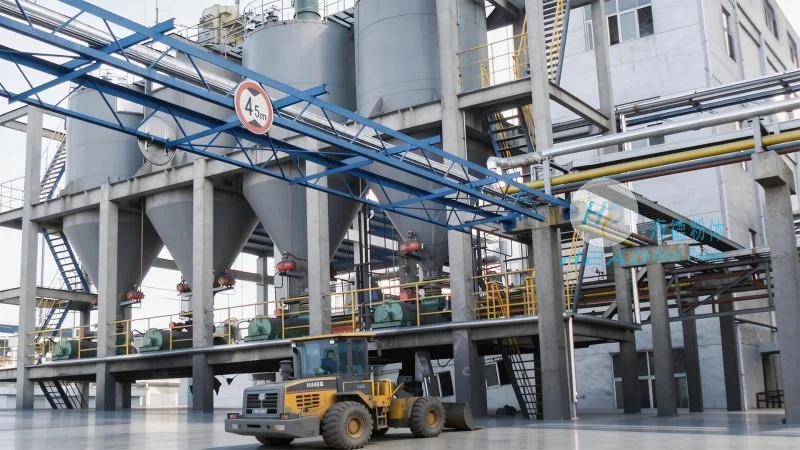
Vacuum Pneumatic Conveying
Vacuum systems, on the other hand, use a vacuum to draw material from the source into the pipeline. This method is particularly suitable for long-distance conveying and for materials that are prone to segregation or require gentle handling. The system works by creating a negative pressure at the material inlet, which pulls the material into the pipeline. Vacuum conveying is often used in applications where the material needs to be transported from a hopper or a remote location to a processing facility. HeadPowder's vacuum conveying systems are designed to handle a wide range of material properties, including fine powders and cohesive materials, ensuring efficient and low-damage transport.
Applications of Gypsum and Lime Pneumatic Conveying
The versatility of pneumatic conveying makes it applicable in various industries where gypsum and lime are used as raw materials or additives. Some of the key applications include:
Construction and Building Materials Industry
Gypsum is widely used in the production of drywall, plaster, and other building materials. Pneumatic conveying systems are essential for transporting gypsum from storage silos to manufacturing lines, ensuring a continuous and clean supply of raw material. HeadPowder's systems help construction material manufacturers maintain high production efficiency while minimizing dust exposure and material loss.
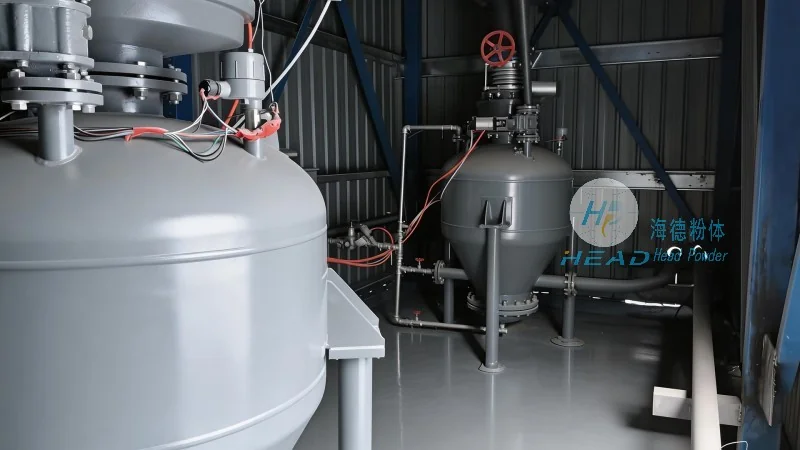
Chemical and Pharmaceutical Industry
Lime is commonly used in chemical processes and as a raw material in pharmaceutical manufacturing. Pneumatic conveying enables the safe and efficient transport of lime powder, which is often required in precise dosing applications. HeadPowder's customized solutions ensure that the material is conveyed without contamination, meeting the stringent quality standards of the chemical and pharmaceutical sectors.
Food and Agricultural Industry
In the food and agricultural sector, gypsum is used as a soil conditioner and in the production of certain food products. Pneumatic conveying systems are employed to transport gypsum from storage facilities to processing units, maintaining hygiene and preventing material contamination. HeadPowder's systems are designed to comply with food safety regulations, ensuring that the material remains clean and free from foreign particles.
Key Considerations for Gypsum and Lime Pneumatic Conveying
When implementing a pneumatic conveying system for gypsum and lime, several factors need to be considered to ensure optimal performance and longevity of the equipment. These include:
Material Properties
The physical characteristics of gypsum and lime, such as particle size, moisture content, and flowability, significantly impact the choice of conveying system. For example, fine powders may require higher air velocities and more efficient filtration to prevent blockages. HeadPowder conducts thorough material analysis to determine the most suitable conveying method and system configuration.
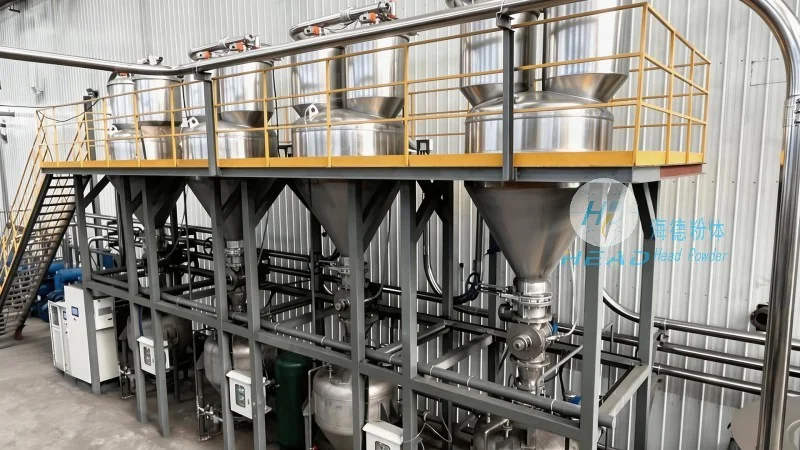
System Design and Sizing
The design of the pneumatic conveying system, including pipeline diameter, length, and the type of air compressor, must be carefully calculated based on the material flow rate and the distance to be covered. Proper sizing ensures that the system operates at its most efficient point, minimizing energy consumption and maximizing material throughput. HeadPowder's engineering team uses advanced software and industry best practices to design systems that meet specific operational requirements.
Maintenance and Operational Costs
Regular maintenance is crucial for the long-term reliability of pneumatic conveying systems. This includes cleaning filters, inspecting pipeline components, and monitoring air compressor performance. HeadPowder provides comprehensive maintenance services and offers cost-effective solutions that help clients reduce operational expenses over time. By investing in high-quality equipment and proper maintenance, businesses can achieve significant cost savings and extended equipment life.
Conclusion
Gypsum and lime pneumatic conveying is a highly effective and efficient method for transporting bulk materials, offering numerous benefits over traditional conveying methods. With its ability to handle fine powders, maintain dust-free environments, and minimize material degradation, pneumatic conveying has become the preferred choice for many industries. HeadPowder, with its expertise in material handling solutions, continues to provide innovative and reliable pneumatic conveying systems that meet the evolving needs of the market. By understanding the different classifications and applications of pneumatic conveying, businesses can make informed decisions and optimize their material handling processes for enhanced productivity and cost efficiency.




