For the efficient handling and transportation of cobalt hydroxide powder, specialized conveying systems are essential. This article provides an overview of the cobalt hydroxide powder conveying system, detailing its structural components and operational principles. The system is designed to ensure safe, reliable, and high-performance material transport, which is critical in industrial applications involving cobalt hydroxide powder.
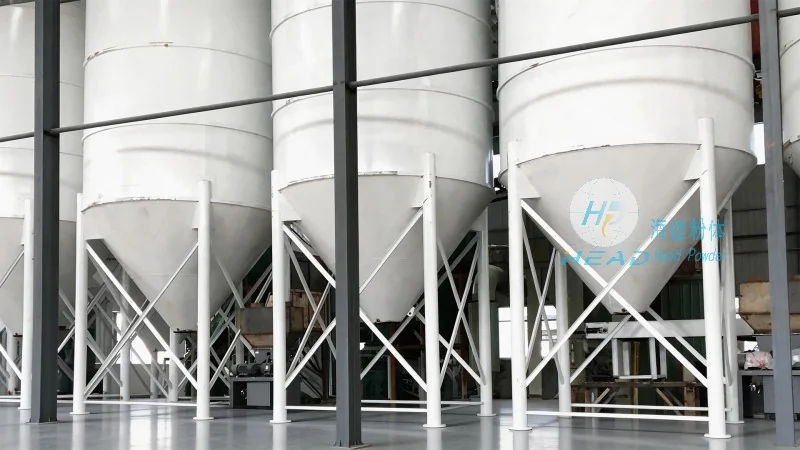
About the Company: HeadPowder
The information presented in this article is provided by Shandong HeadPowder Engineering Co., Ltd., a company specializing in engineering solutions for powder handling and processing. HeadPowder is committed to delivering high-quality equipment and systems that meet the demands of modern industrial operations. The company's headquarters is located in Shandong, China, where it develops and manufactures advanced powder conveying technologies.
System Overview
The cobalt hydroxide powder conveying system is a comprehensive solution designed to handle the unique challenges associated with transporting fine powders. The system integrates various components, including feeders, conveyors, and control units, to ensure smooth and continuous material flow. Each component is carefully engineered to handle the specific properties of cobalt hydroxide powder, such as its particle size, moisture content, and flow characteristics.
Structural Components
The conveying system consists of several key structural components that work in tandem to achieve efficient powder transport. These components include:
1. Feeder Unit: The feeder is responsible for feeding the cobalt hydroxide powder into the conveying system at a controlled rate. It ensures a consistent flow of material, preventing overloading or underfeeding that could disrupt the entire process. The feeder is typically equipped with adjustable speed controls to match the production requirements.
2. Pneumatic Conveying Line: The main part of the system is the pneumatic conveying line, which uses air pressure to transport the powder through a network of pipes. This method is ideal for fine powders like cobalt hydroxide, as it minimizes material degradation and ensures a clean, dust-free operation. The line includes various sections such as the inlet, main pipe, and outlet, each designed to optimize the flow of the powder.
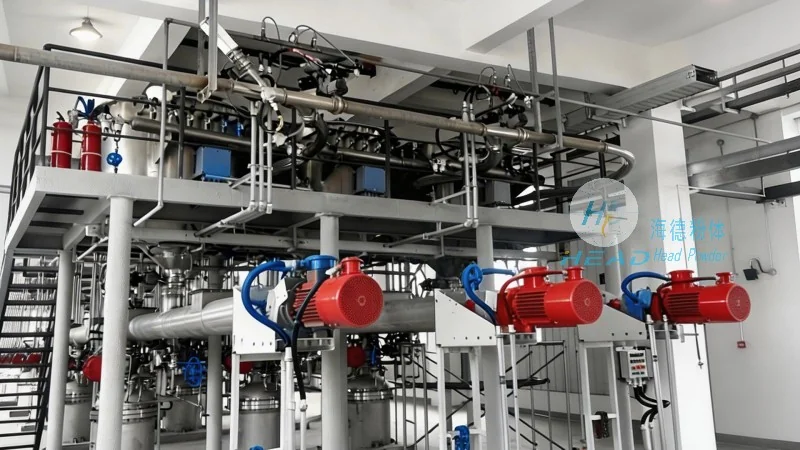
3. Control Panel: The control panel is the brain of the system, managing all operational aspects. It monitors parameters such as pressure, flow rate, and temperature, and adjusts the system settings in real-time to maintain optimal performance. The panel is equipped with safety features to prevent accidents and ensure compliance with industrial standards.
4. Filter and Dust Collection System: To maintain a clean working environment and prevent dust contamination, the system includes a filter and dust collection unit. This component captures any airborne particles and returns them to the conveying line, ensuring that the powder remains within the system and does not escape into the environment.
Working Principles
The operation of the cobalt hydroxide powder conveying system is based on the principles of pneumatic transport. The process begins with the feeder delivering the powder into the inlet of the conveying line. As the air is compressed and introduced into the line, it creates a pressure differential that propels the powder forward. The powder particles are suspended in the air stream, allowing them to travel through the pipes without settling.
The system uses a combination of positive and negative pressure to move the powder. The inlet is under positive pressure, which draws the powder into the line, while the outlet is under negative pressure, which helps to maintain the flow and prevent backflow. The control panel continuously adjusts the air pressure and flow rate to ensure that the powder moves at the desired speed and volume.
As the powder travels through the conveying line, it passes through various sections, including bends and changes in pipe diameter. The system is designed with smooth transitions and appropriate pipe angles to minimize friction and prevent material buildup. The filter and dust collection system is activated at the end of the line to capture any particles that may have escaped, ensuring that the powder is returned to the system and the environment remains clean.
Advantages of the System
The cobalt hydroxide powder conveying system offers several advantages over traditional manual or mechanical conveying methods. These include:
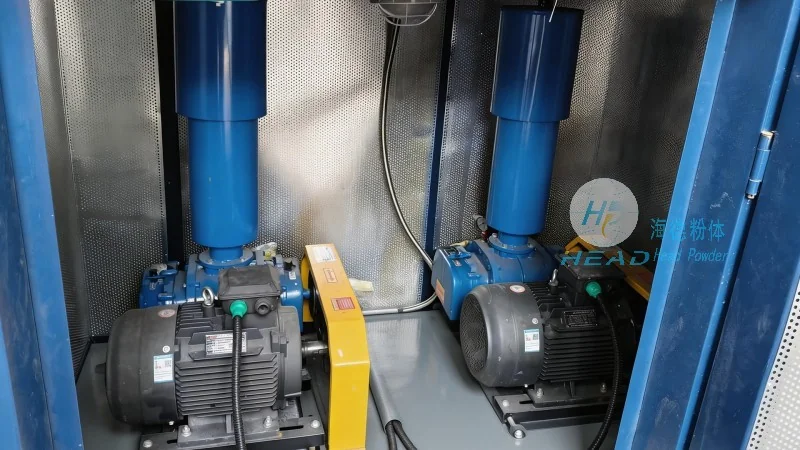
1. Efficiency and Reliability: The system provides a continuous and reliable flow of material, reducing downtime and increasing productivity. The automated control features ensure that the system operates consistently, even under varying production conditions.
2. Safety and Cleanliness: The pneumatic design minimizes the risk of dust exposure and material contamination. The filter and dust collection system maintains a clean working environment, which is crucial for both operator safety and product quality.
3. Flexibility: The system can be easily adapted to different production requirements by adjusting the feeder speed, air pressure, and pipe configuration. This flexibility allows it to handle a wide range of cobalt hydroxide powder types and quantities.
4. Low Maintenance: The components of the system are designed for durability and low maintenance. The use of high-quality materials and robust construction reduces the need for frequent repairs and replacements, lowering overall operational costs.
Conclusion
The cobalt hydroxide powder conveying system is a sophisticated and effective solution for handling fine powders in industrial applications. By integrating advanced structural components and operational principles, the system ensures efficient, safe, and reliable transport of cobalt hydroxide powder. Shandong HeadPowder Engineering Co., Ltd. continues to innovate in powder handling technology, providing customized solutions that meet the specific needs of its clients. The system's design and functionality make it an ideal choice for industries that require high-performance powder conveying systems.




