Mineral sand powder conveying systems are essential in industrial applications where the efficient transportation of fine powders, such as those derived from mineral processing, is critical. These systems ensure that materials are moved safely and effectively from one point to another, supporting processes in mining, manufacturing, and material handling. The design and operation of such systems are tailored to handle the unique characteristics of mineral sands, including their particle size, density, and flow properties.
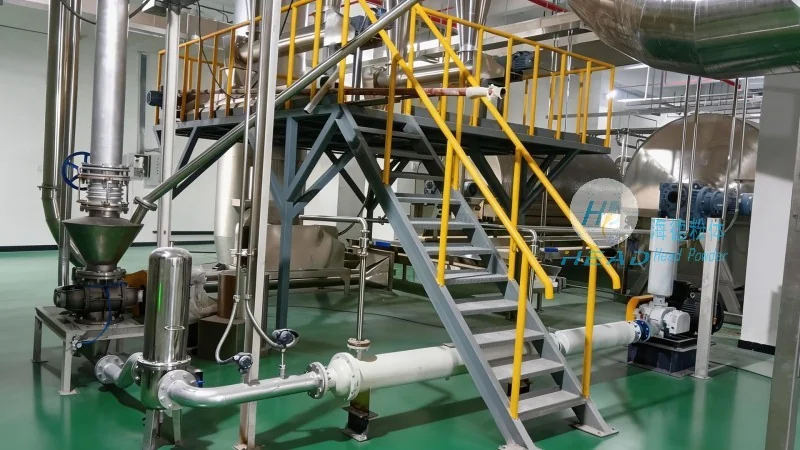
Key Components and Structural Design
The structure of a typical mineral sand powder conveying system consists of several core components that work in concert to achieve reliable material transport. The primary elements include a feeding mechanism, a conveying pipeline (often equipped with special liners to prevent material buildup and wear), a drive system, and a control unit. The feeding mechanism, such as a hopper or rotary valve, ensures a consistent and controlled flow of the mineral sand powder into the system. The pipeline, made from materials like stainless steel or specialized polymers, is designed to minimize friction and prevent clogging, which is crucial for handling fine powders. The drive system, which may include motors and pulleys or direct-drive units, provides the necessary force to move the material through the pipeline. The control unit allows operators to monitor and adjust the system's performance, ensuring optimal operation under varying conditions.
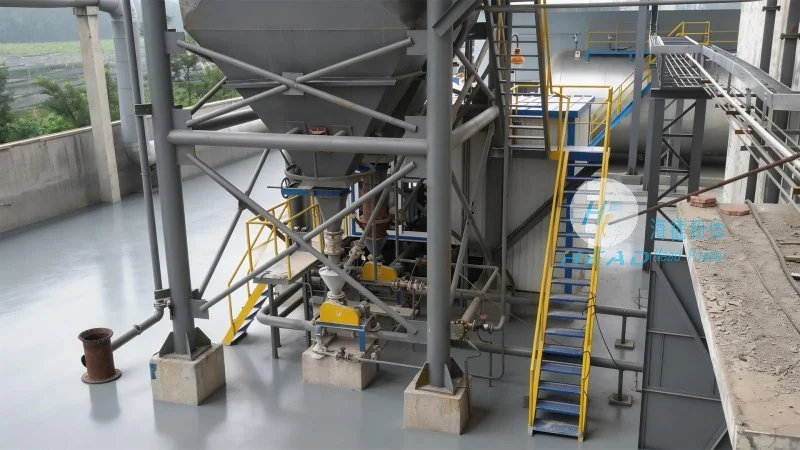
Working Principles of the Conveying Process
The working principle of a mineral sand powder conveying system is based on the principles of pneumatic or mechanical transport. In pneumatic systems, compressed air is used to create a flow that carries the powder particles through the pipeline. The air pressure and flow rate are carefully controlled to maintain a stable and efficient transport. In mechanical systems, such as screw conveyors or belt conveyors, the material is moved by rotating components that push or drag the powder along the path. The choice between pneumatic and mechanical systems depends on factors like the material's properties, the required transport distance, and the system's capacity. For mineral sands, which often have fine particles and can be prone to dusting, pneumatic systems are commonly preferred due to their ability to handle low to medium flow rates and maintain a consistent particle size distribution.
Applications and Benefits in Industrial Settings
Mineral sand powder conveying systems are widely used in various industrial applications, including the processing of minerals like ilmenite, rutile, and zircon. These systems are also employed in the production of ceramics, paints, and other materials that require fine powder handling. The benefits of using such systems include improved safety by reducing manual handling of powders, increased efficiency by minimizing downtime and material loss, and enhanced product quality by maintaining consistent particle size and moisture content. Additionally, the systems are designed to be scalable, allowing them to accommodate changes in production volume and material types as needed.
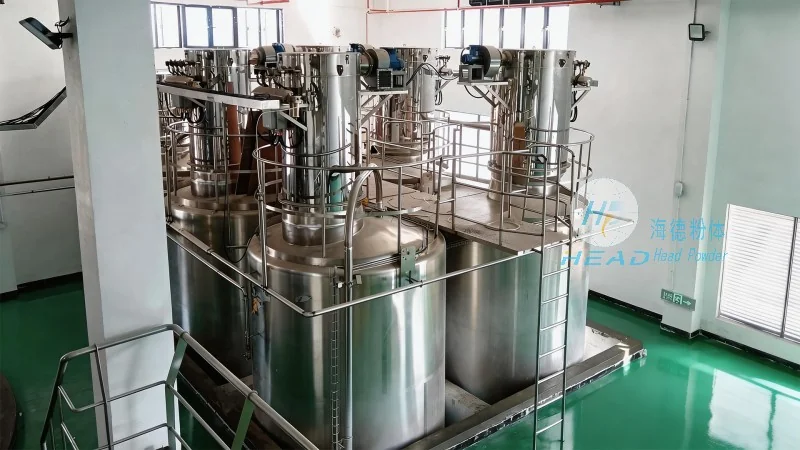
About Shandong HeadPowder Engineering Co., Ltd.
Shandong HeadPowder Engineering Co., Ltd., commonly known as headpowder, is a leading manufacturer specializing in the design, development, and supply of mineral sand powder conveying systems. With a strong focus on innovation and customer satisfaction, the company has established itself as a trusted partner in the industry. Headpowder's systems are engineered to meet the specific needs of clients, ensuring reliable and efficient material transport. The company's commitment to quality and performance has earned it a reputation for delivering solutions that enhance operational efficiency and reduce costs for its clients. Headpowder's headquarters is located in Shandong, China, where the company continues to advance its technology and expand its market presence.




