HeadPowder, a leading manufacturer in the field of material handling solutions, specializes in the design and production of advanced pneumatic conveying systems tailored for the lithium-ion battery industry. This article provides a comprehensive overview of the pneumatic conveying equipment used for handling lithium-ion battery cathode materials, focusing on its structural design and operational principles.
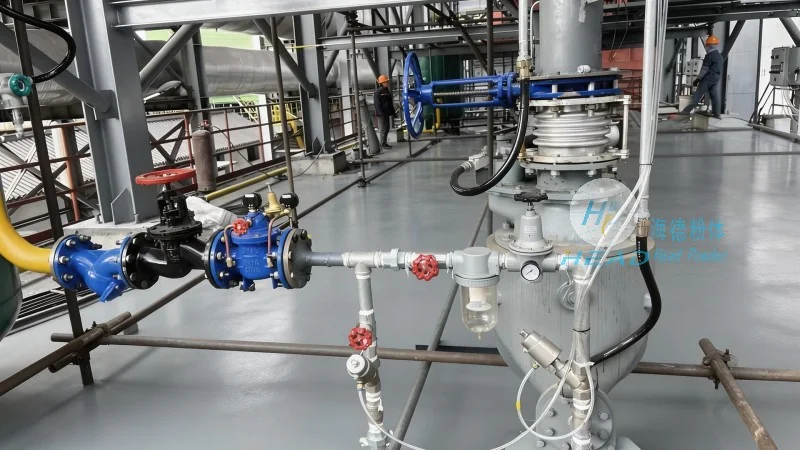
Company Profile and Expertise
Shandong HeadPowder Engineering Co., Ltd., commonly known as HeadPowder, is a professional enterprise dedicated to the research, development, and manufacturing of high-efficiency material conveying equipment. With a strong presence in China, particularly in Shandong province, the company has established itself as a trusted supplier in the industry. HeadPowder's expertise lies in customizing pneumatic conveying solutions that meet the stringent requirements of modern battery production processes, ensuring reliable and efficient material transport for cathode materials.
Overview of Pneumatic Conveying for Lithium-Ion Battery Cathode Materials
Pneumatic conveying equipment is a critical component in the production line of lithium-ion batteries, responsible for the safe and efficient transport of cathode materials such as lithium cobalt oxide (LCO), lithium nickel manganese cobalt oxide (NMC), and other advanced cathode compounds. These materials are often fine powders with specific properties that require specialized handling to prevent degradation or contamination. The pneumatic conveying system addresses these challenges by utilizing air flow to move the material through a sealed pipeline system, minimizing exposure to external factors and ensuring product integrity.
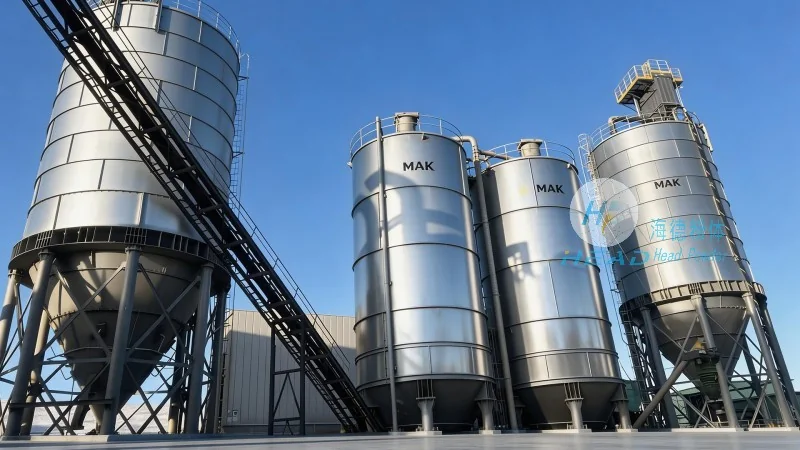
Structural Components of the Pneumatic Conveying System
The pneumatic conveying equipment for lithium-ion battery cathode materials typically consists of several key components that work in tandem to achieve effective material transport. These components include the material feed hopper, air compressor, conveying pipeline, and discharge unit. The feed hopper is designed to store and meter the cathode material, ensuring a consistent flow rate into the system. The air compressor generates the necessary pressure or vacuum to move the material through the pipeline. The conveying pipeline, often made of stainless steel or other corrosion-resistant materials, is designed to withstand the chemical properties of the cathode materials and maintain airtight integrity. The discharge unit, such as a rotary valve or a filter system, collects the material at the destination point, preventing dust and ensuring a clean operation.
Working Principle of the Pneumatic Conveying Process
The operation of the pneumatic conveying system for lithium-ion battery cathode materials involves a controlled flow of air and material. In the positive pressure system, the air compressor pushes air into the pipeline, creating a pressure that lifts and transports the material particles. The material is suspended in the air stream and moves along the pipeline to the discharge point. In the negative pressure system, the air is drawn out of the pipeline, creating a vacuum that pulls the material into the system. Both systems are designed to handle fine powders with high efficiency, minimizing material loss and ensuring a smooth transport process. The system also incorporates features such as pulse jets or rotary valves to control the flow rate and prevent blockages, ensuring reliable operation in continuous production environments.
Advantages of Using Pneumatic Conveying for Cathode Materials
Implementing pneumatic conveying systems for lithium-ion battery cathode materials offers several advantages over traditional mechanical conveying methods. Firstly, it provides a dust-free and sealed environment, which is crucial for maintaining the purity of the cathode materials and preventing contamination. Secondly, the system is highly efficient in terms of material transport speed and capacity, reducing production downtime and increasing overall productivity. Thirdly, the equipment is designed for easy maintenance and cleaning, which is essential for handling materials that can be abrasive or corrosive. Additionally, the system can be customized to handle various types of cathode materials, adapting to the evolving needs of the battery industry.
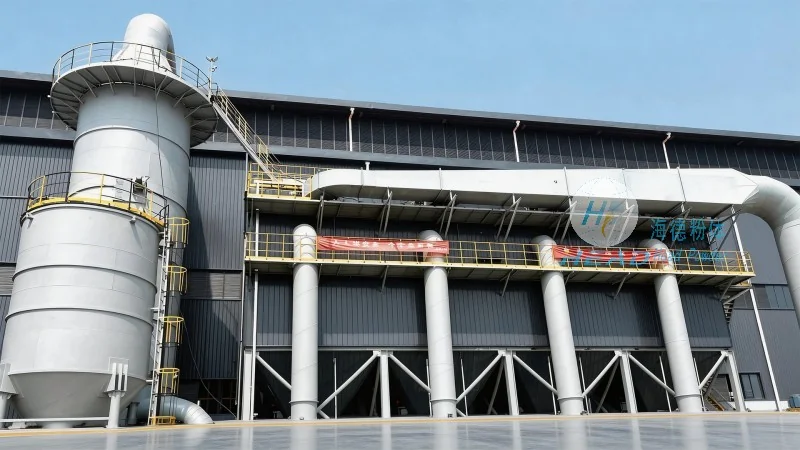
Application and Integration in Battery Production Lines
The pneumatic conveying equipment is typically integrated into the battery production line as part of the material handling process. It connects the material storage area to the mixing, coating, or cell assembly stages, ensuring a continuous flow of cathode materials. The system is designed to operate in conjunction with other production equipment, such as mixers and coating machines, to create a seamless production workflow. The reliability and efficiency of the pneumatic conveying system contribute to the overall quality and consistency of the battery products, meeting the high standards required by modern battery manufacturers.
Conclusion and Company Commitment
HeadPowder's pneumatic conveying equipment for lithium-ion battery cathode materials represents a sophisticated solution that addresses the specific challenges of handling fine, high-value materials in the battery industry. By focusing on structural integrity, operational efficiency, and material integrity, the company ensures that its products meet the demanding requirements of modern battery production. With a strong commitment to innovation and customer satisfaction, Shandong HeadPowder Engineering Co., Ltd. continues to provide reliable and advanced material handling solutions that support the growth and development of the lithium-ion battery sector.




