HeadPowder, a leading engineering company based in Shandong, China, specializes in the design and manufacturing of advanced pneumatic conveying systems tailored for polyethylene pellet handling. This article provides an overview of the polyethylene pellet pneumatic conveying system, detailing its structural components and operational principles to help users understand its functionality and benefits.
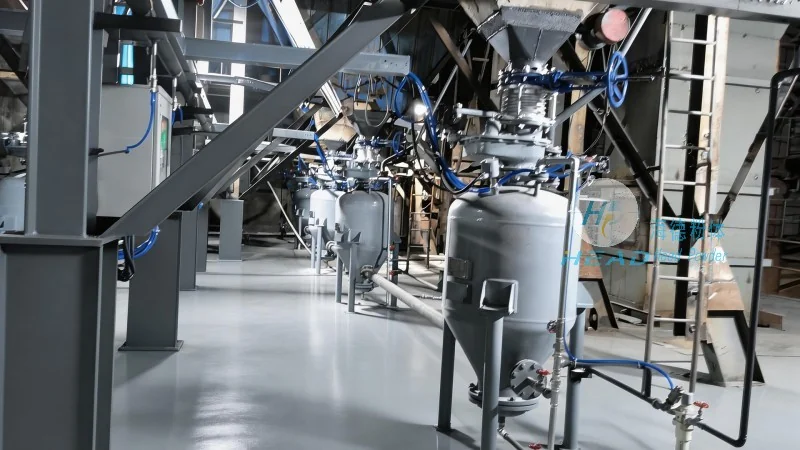
Polyethylene Pellet Pneumatic Conveying System Overview
The polyethylene pellet pneumatic conveying system is a sophisticated industrial solution designed to transport polyethylene pellets efficiently and safely. This system utilizes air as the primary medium to move the pellets from a source to a destination, eliminating the need for mechanical components like belts or chains that may cause contamination or wear. The system is widely adopted in the plastics industry due to its ability to handle polyethylene pellets with minimal degradation and high throughput.
Key Structural Components of the System
The polyethylene pellet pneumatic conveying system consists of several critical components that work in concert to ensure smooth operation. The main components include the hopper, which serves as the storage and feeding unit for the polyethylene pellets. This component is typically made of stainless steel or other corrosion-resistant materials to prevent contamination and ensure durability. The hopper is equipped with a feeder, such as a rotary valve or a screw feeder, which controls the flow rate of the pellets into the conveying line. The air compressor is the heart of the system, responsible for generating the necessary air pressure to move the pellets. It is usually a positive displacement compressor, such as a rotary screw or a reciprocating compressor, which provides consistent and high-pressure air output. The conveying line is the main pipeline through which the pellets travel. It is typically made of stainless steel or plastic, depending on the application, and is designed to withstand the pressure and temperature of the conveying process. The control valve, often a pneumatic or electrically actuated valve, is used to regulate the flow of air and pellets. It can be adjusted to control the speed of the pellets and prevent overloading or blockages. The receiver is where the pellets are deposited at the destination. It is usually a storage tank or a hopper, designed to hold the received pellets until they are further processed or used. Each component is designed to withstand the specific demands of polyethylene pellet handling, ensuring durability and reliability.
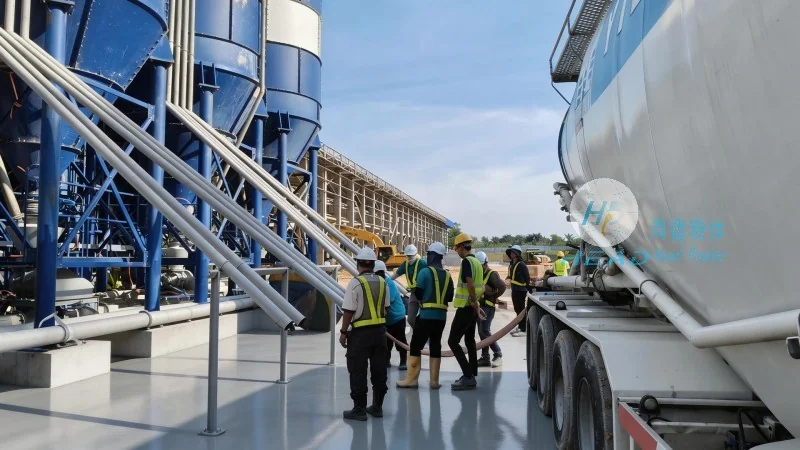
Working Principles of the Pneumatic Conveying Process
The operation of the polyethylene pellet pneumatic conveying system is based on the principle of fluidization and pneumatic transport. The process begins with the polyethylene pellets being fed from the hopper into the conveying line. Simultaneously, the air compressor supplies compressed air into the line. The air flow creates a pressure differential that lifts and propels the pellets through the pipeline. The velocity of the air is carefully controlled to maintain the pellets in a suspended state, preventing them from settling or causing blockages. The control valve plays a crucial role in managing the air flow and pellet discharge. It can be adjusted to control the flow rate of the pellets, ensuring a consistent and controlled delivery to the receiver. The receiver then collects the pellets, completing the conveying cycle. The entire process is automated, with sensors and controls monitoring the system to ensure optimal performance and prevent issues such as overpressure or material buildup.
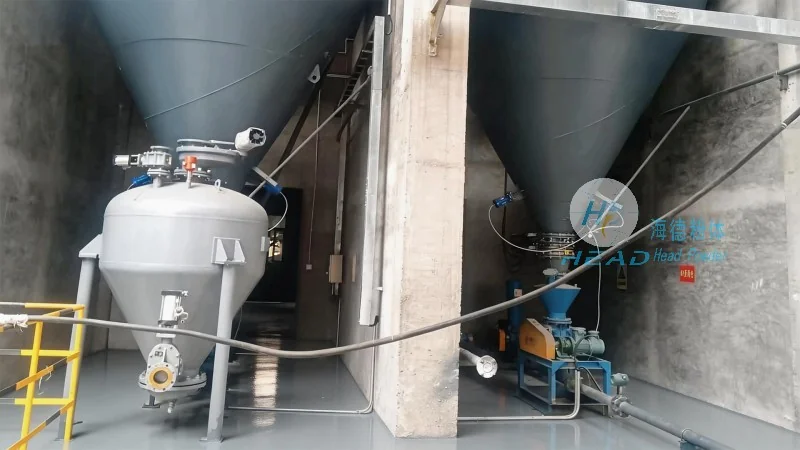
Advantages of Using a Pneumatic Conveying System for Polyethylene Pellets
Implementing a polyethylene pellet pneumatic conveying system offers several advantages over traditional mechanical conveying methods. Firstly, it minimizes product contamination, as there are no metal parts in direct contact with the pellets, which is critical for maintaining the quality of polyethylene pellets used in high-value applications like medical devices or food packaging. Secondly, the system provides high efficiency and throughput, allowing for continuous operation with minimal downtime. This is particularly beneficial in high-volume production environments where uninterrupted supply of raw materials is essential. Thirdly, it reduces labor costs and operational complexity, as the automated system requires less manual intervention compared to manual handling methods. This not only lowers labor expenses but also reduces the risk of human error and workplace accidents. Additionally, the system is flexible and can be easily integrated with existing production lines, adapting to various plant layouts and operational requirements. It can be configured for different distances and heights, making it suitable for both short and long-distance conveying tasks.
Application Scenarios and Industry Use Cases
The polyethylene pellet pneumatic conveying system is widely used in various industries that handle polyethylene pellets, including plastic manufacturing, packaging, and chemical processing. In plastic manufacturing, the system is used to transport pellets from storage silos to extrusion machines, ensuring a steady supply of raw material for production. This is crucial for maintaining the production line's efficiency and reducing downtime caused by material shortages. In packaging, the system helps move pellets to molding machines, facilitating the production of plastic containers and products. The system's ability to handle pellets with minimal degradation ensures that the final products meet quality standards. In chemical processing, the system is employed to transport pellets in facilities that involve polymerization or blending processes, where maintaining product purity is essential. The system's design prevents cross-contamination, which is vital for producing high-purity polyethylene products used in specialized applications. These applications highlight the versatility and effectiveness of the system in different industrial settings, demonstrating its role in enhancing operational efficiency and product quality.




