

Operation Process and Working Principle of Sodium Nitrate Powder Pneumatic Conveying Machine
HeadPowder, a leading engineering company based in Shandong, China, specializes in the design and manufacturing of advanced pneumatic conveying systems for sodium nitrate powder. This article provides a comprehensive overview of the operation process and working principle of such systems, emphasizing technical details and practical applications.
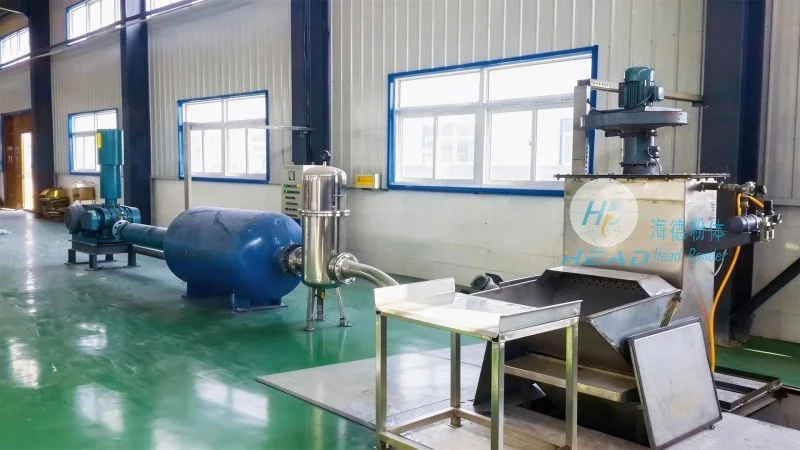
Introduction to Sodium Nitrate Powder Pneumatic Conveying Systems
Sodium nitrate, a vital industrial chemical used in fertilizers, explosives, and food preservation, often requires efficient and safe handling. Pneumatic conveying machines offer a reliable solution for transporting sodium nitrate powder over long distances or within industrial facilities. These systems utilize air or gas to move the powder through a network of pipes, eliminating mechanical components like belts or buckets that might cause contamination or mechanical failure.
Overview of the Operation Process
The operation of a sodium nitrate powder pneumatic conveying machine typically follows a systematic sequence of steps to ensure smooth and continuous material transport. The process begins with preparation, where the powder is loaded into the hopper or storage tank. Once activated, the conveying air is introduced, creating a pressure differential that initiates powder movement. The machine then proceeds through the following stages:
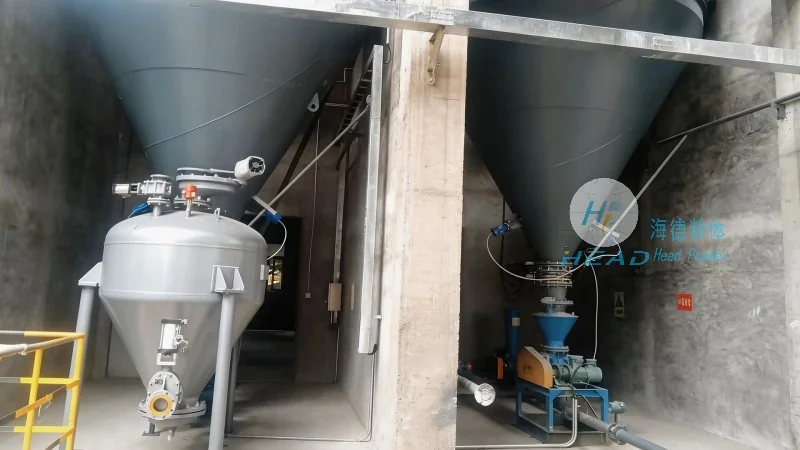
- System Initialization: The control panel is activated, and the air compressor or blower starts operating. The pressure in the conveying line is adjusted to the optimal level for the specific powder characteristics and pipeline length.
- Powder Loading: The sodium nitrate powder is fed from the storage hopper into the conveying line. The feeder mechanism, such as a rotary valve or screw feeder, ensures a consistent flow rate, preventing blockages and maintaining system efficiency.
- Conveying Phase: As the air flows through the pipeline, it entrains the powder particles, forming a dense gas-solid mixture. The mixture travels from the loading point to the discharge point, with the air velocity maintained above the minimum required to prevent particle settling or deposition.
- Discharge and Dosing: Upon reaching the destination, the mixture is directed into a receiver or processing unit. The air is separated from the powder, often using cyclone separators or filters, and the purified air is recirculated or vented. The sodium nitrate powder is then collected for further use or processing.
- System Shutdown: The conveying process is stopped, and the air pressure is reduced. The system is then purged to remove any residual powder, ensuring the pipelines are clear and ready for the next operation.
Detailed Working Principle
The working principle of a pneumatic conveying system for sodium nitrate powder is based on fluidization and particle transport. Two primary modes of operation are commonly used: pressure (or positive) conveying and suction (or negative) conveying. The choice of mode depends on factors such as the distance to be covered, the required flow rate, and the powder's nature.
In pressure conveying, the system operates under positive pressure, with the air compressor located at the discharge end. The powder is fed into the high-pressure line, and the air pushes the mixture through the pipeline. This method is suitable for long-distance transport and is often used when the discharge point is at a higher elevation than the loading point. The pressure differential ensures continuous propulsion, maintaining a stable flow rate.
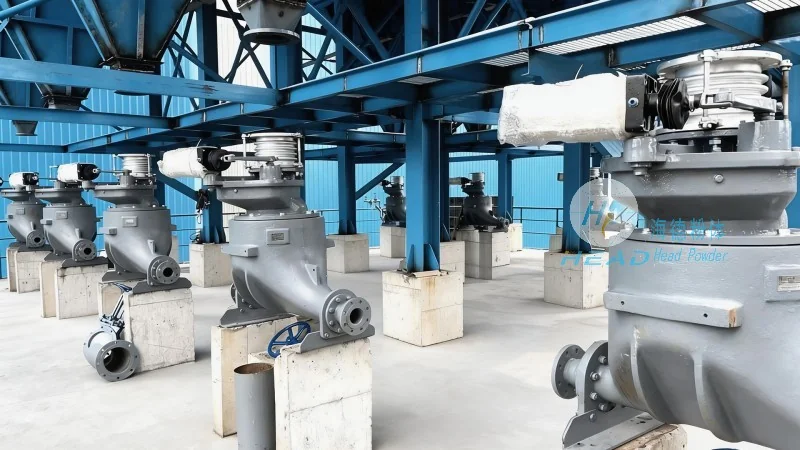
In suction conveying, the system operates under negative pressure, with the vacuum pump or fan located at the discharge end. The powder is drawn from the loading point into the low-pressure line, and the air pulls the mixture toward the discharge point. This mode is ideal for short-distance transport or when the discharge point is at a lower elevation than the loading point. The vacuum created helps maintain powder flow, preventing settling in the pipeline.
Both modes rely on air velocity and particle size to ensure effective transport. The air velocity must be sufficient to overcome gravitational forces and maintain the fluidized state of the mixture. System design, including pipe diameter, length, and air handling equipment, is critical to achieving optimal performance and minimizing energy consumption.
Technical Specifications and Application Considerations
HeadPowder's sodium nitrate powder pneumatic conveying machines are engineered to meet specific industrial requirements. Key technical specifications include:
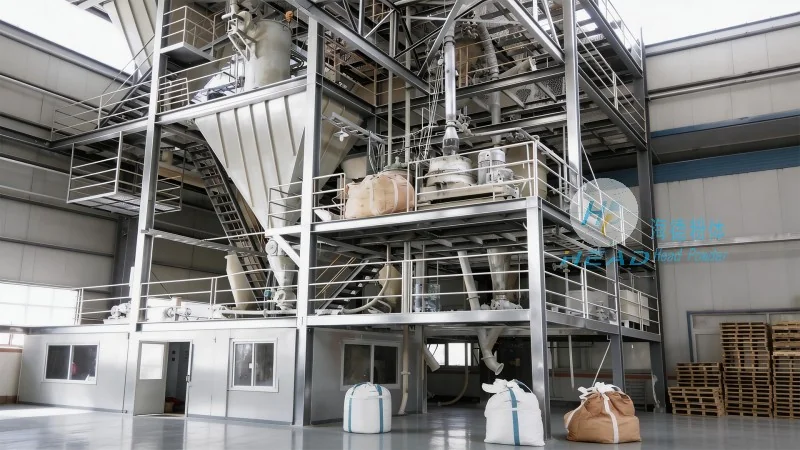
- Conveying Capacity: Ranges from low to high flow rates, typically from 0.5 to 50 tons per hour, allowing flexible operation in various production settings.
- Pressure Range: Operates within a specific pressure range, from low vacuum (e.g., -0.5 to -1 bar) for suction systems to high pressure (e.g., 1 to 6 bar) for pressure systems. The pressure is adjusted based on pipeline length and flow rate.
- Pipeline Design: Uses stainless steel or corrosion-resistant materials to handle sodium nitrate, which can be hygroscopic and reactive. Pipe diameter and length are optimized to minimize pressure drop and energy consumption.
- Air Handling Equipment: Includes high-efficiency air compressors or vacuum pumps, filters, and cyclone separators to maintain air quality and prevent contamination. Equipment is designed for low maintenance and long service life.
When selecting a pneumatic conveying system for sodium nitrate powder, factors such as particle size distribution, moisture content, and contaminants must be considered. The system must also comply with safety regulations for handling hazardous materials. HeadPowder's expertise in customizing systems ensures optimal performance and safety in various industrial environments.
Conclusion
Sodium nitrate powder pneumatic conveying machines are essential for efficient and safe transport of this critical chemical. The operation process involves a systematic sequence of steps, from system initialization to shutdown, ensuring continuous material transport. The working principle, based on air velocity and particle transport, allows effective handling of the powder in various industrial applications. With advanced engineering and customization capabilities, HeadPowder provides reliable solutions for industries requiring high-performance pneumatic conveying systems for sodium nitrate powder.