

The Operation Process and Working Principle of Spices Powder Conveying Line
Spices powder conveying lines are critical components in the food processing and pharmaceutical industries, designed to efficiently transport fine powders like spices from one location to another. This article explores the operation process and working principle of such systems, highlighting the key components and mechanisms that ensure reliable and consistent performance, as offered by Shandong HeadPowder Engineering Co., Ltd.
Introduction to Spices Powder Conveying Lines
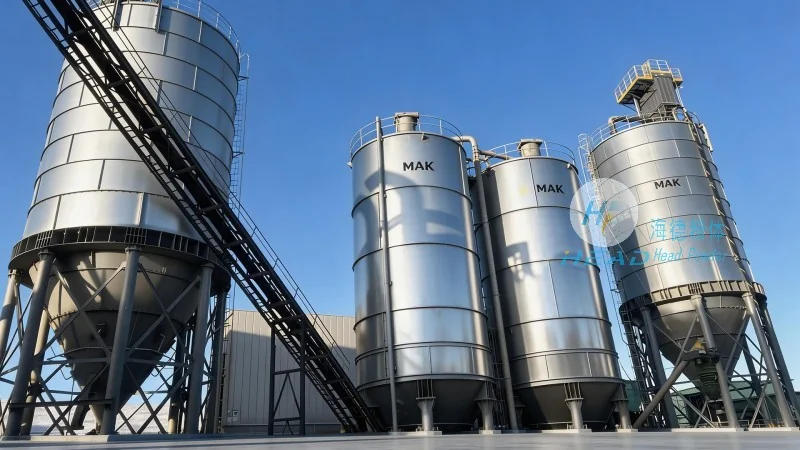
Spices powder conveying lines are specialized systems engineered to handle the transportation of spices in powder form. These systems are essential for maintaining product quality, ensuring hygiene standards, and optimizing production efficiency in spice processing facilities. The design of these lines typically incorporates various components such as hoppers, feeders, conveyors, and control systems, all working in tandem to achieve seamless material movement. Shandong HeadPowder Engineering Co., Ltd. specializes in the design and manufacturing of such advanced conveying solutions tailored to the unique requirements of the spice industry.
Key Components of a Spices Powder Conveying Line
The operation of a spices powder conveying line relies on several critical components, each playing a vital role in the overall process. The primary components include:
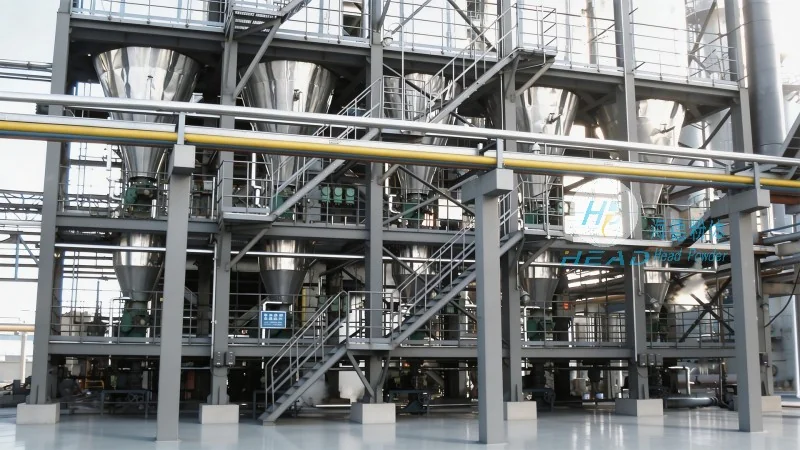
- Hoppers: These are storage containers that hold the spices powder before it is conveyed. They are designed to prevent material bridging and ensure a consistent flow of material into the feeder. The hoppers are often equipped with agitators or vibrators to break up any clumps and maintain a uniform material level.
- Feeders: Feeders regulate the flow of spices powder from the hopper to the conveyor. Common types include rotary valves, vibratory feeders, and screw feeders, which control the rate of material discharge. The feeder selection depends on the powder's flowability, density, and the required discharge rate.
- Conveyors: The conveyor system is the core of the conveying line, responsible for transporting the spices powder through the system. Options include pneumatic conveyors, screw conveyors, and belt conveyors, each suited to different powder characteristics and application requirements. Pneumatic systems use compressed air to create a flow of air and powder mixture, while mechanical systems rely on rotating components to move the powder along a fixed path.
- Control Systems: Modern conveying lines are equipped with advanced control systems that monitor and regulate the operation. These systems ensure precise control over flow rates, pressure, and other parameters to maintain optimal performance. The control panel may include sensors for level monitoring, pressure gauges, and digital displays for real-time data tracking.
The Working Principle of Spices Powder Conveying Lines
The working principle of a spices powder conveying line involves the sequential operation of its components to achieve efficient material transport. The process typically begins with the spices powder being stored in the hopper. From there, the feeder controls the discharge rate, feeding the conveyor with a consistent stream of material. The conveyor then transports the powder through the system, often using air or mechanical force to move the material along the line.
In pneumatic conveying systems, for example, the conveyor uses compressed air to create a flow of air and powder mixture, transporting the spices powder through the pipeline. The air pressure and velocity are carefully controlled to prevent material degradation and ensure smooth transport. The system may include cyclones or filters at the receiving end to separate the powder from the air stream. Mechanical conveyors, such as screw or belt conveyors, rely on rotating components to move the powder along a fixed path, providing a reliable and low-maintenance option for certain applications.
Operation Process of a Spices Powder Conveying Line
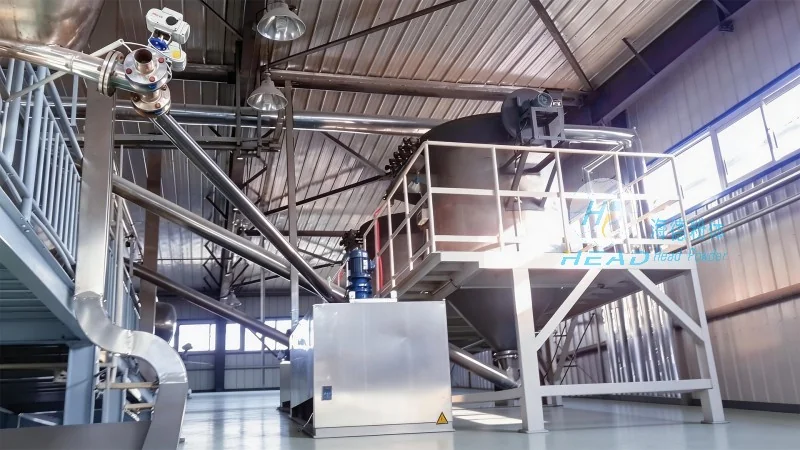
The operation process of a spices powder conveying line can be broken down into several stages, each ensuring the smooth and efficient movement of the spices powder. The process typically includes the following steps:
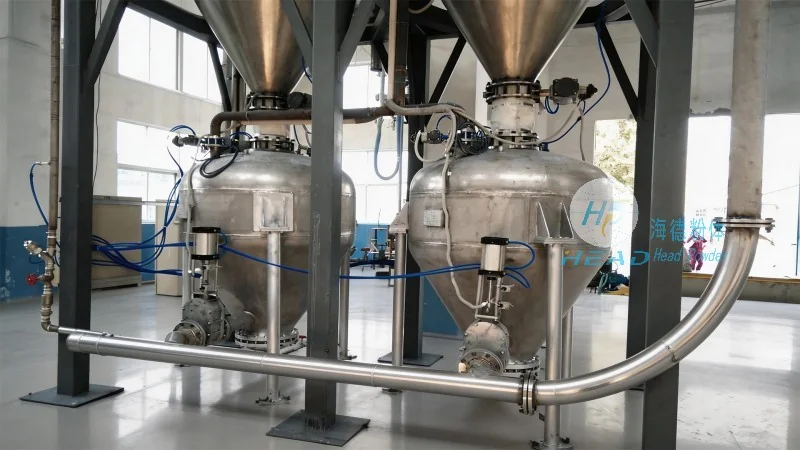
- Material Loading: The spices powder is loaded into the hopper from a storage silo or processing unit. Proper loading techniques are used to prevent material bridging and ensure a uniform material level. The hopper may be equipped with a loading port and a level indicator to monitor the material quantity.
- Feeder Operation: The feeder is activated to regulate the flow of spices powder from the hopper to the conveyor. The feeder's speed is adjusted based on the required production rate and material characteristics. For example, a rotary valve may be set to a specific rotation speed to control the discharge rate.
- Conveyor Transport: The conveyor system is started, and the spices powder is transported through the pipeline or conveyor path. The system monitors the flow rate and pressure to ensure consistent transport. In pneumatic systems, the air compressor is activated to generate the necessary pressure for conveying.
- Delivery to Destination: The spices powder is delivered to the final destination, such as a mixing tank, packaging unit, or storage silo. The system may include a discharge valve or hopper at the end to control the release of the material. The receiving container is often equipped with a level sensor to indicate when it is full.
- System Monitoring and Control: Throughout the operation, the control system continuously monitors key parameters like flow rate, pressure, and temperature. Any deviations are detected and corrected to maintain optimal performance. The control panel may provide alerts for maintenance or operational issues, ensuring the system operates within safe and efficient parameters.
Benefits of Using Spices Powder Conveying Lines
Implementing a spices powder conveying line offers several benefits for spice processing facilities. These systems enhance operational efficiency by automating the material transport process, reducing labor costs and human error. They also improve product quality by maintaining consistent flow rates and preventing material degradation. Additionally, the systems are designed to meet hygiene standards, ensuring that the spices powder remains clean and free from contamination during transport. The use of enclosed systems also minimizes dust emissions, contributing to a safer working environment.
Conclusion
Spices powder conveying lines are essential for the efficient and reliable transport of spices in powder form. By understanding the operation process and working principle of these systems, businesses can optimize their production processes and maintain high-quality standards. With the right components and control systems, these conveying lines provide a robust solution for handling spices powder, supporting the needs of the food and pharmaceutical industries. Shandong HeadPowder Engineering Co., Ltd. continues to innovate in this field, offering customized conveying solutions that meet the evolving demands of the spice processing sector, with facilities located in Shandong, China.