Operation Process and Working Principle of Coal Ash Powder Conveying Line
Release time:2026-09-20 18:01:36
name of the company:Shandong Headpowder Engineering Co., Ltd.
telephone:156-6277-7102
contacts:Zhang manager
Coal ash, a byproduct of coal combustion in thermal power plants, presents significant challenges in handling and transportation due to its fine particle size and potential for dust generation. The coal ash powder conveying line is a specialized system designed to efficiently transport this material from storage or processing areas to disposal sites or utilization facilities. This article provides a detailed overview of the operation process and working principle of such a system, highlighting key components, operational procedures, and the technological advancements that enhance its performance.
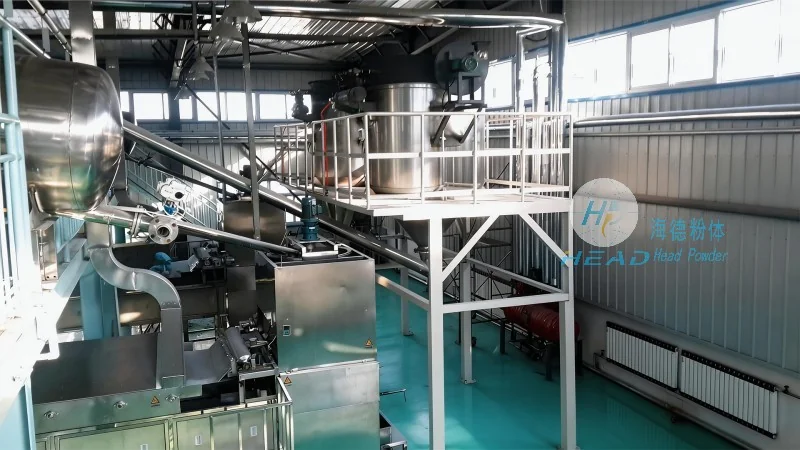
Key Components of the Coal Ash Powder Conveying Line
The coal ash powder conveying line typically consists of several critical components that work in concert to ensure reliable and safe material transport. These include:
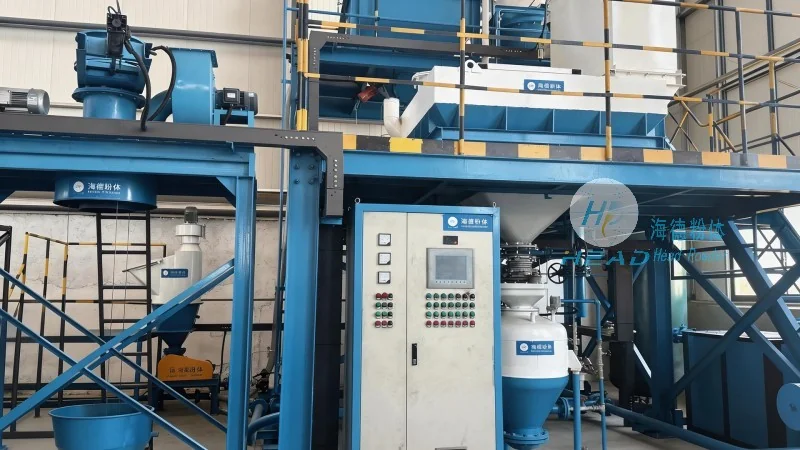
- Feeding Equipment: This component is responsible for feeding coal ash from storage silos or hoppers into the conveying system. Common feeding devices include rotary valves, star feeders, or screw conveyors, which regulate the flow rate and prevent blockages.
- Pneumatic Conveying System: The core of the conveying line, this system uses compressed air to transport coal ash particles through a network of pipes. The system may employ positive pressure or negative pressure (vacuum) methods, depending on the distance and layout of the conveying route.
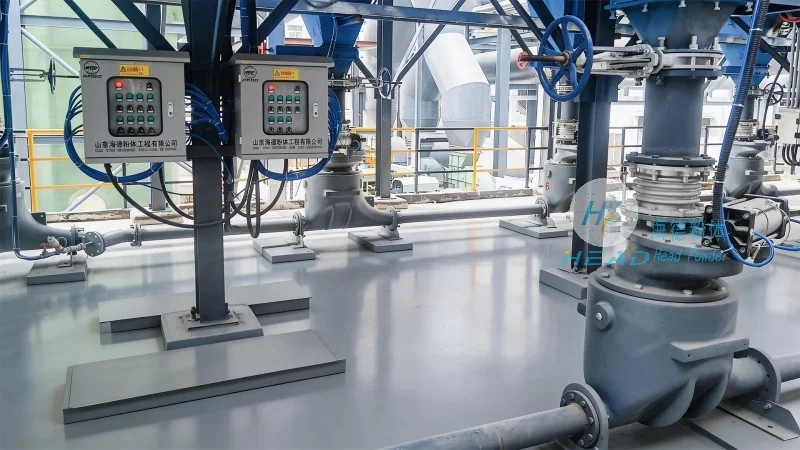
- Pipe Network: A network of stainless steel or corrosion-resistant pipes forms the pathway for the coal ash particles. The design of the pipe network considers factors such as particle size, flow rate, and pressure drop to minimize energy consumption and ensure smooth material movement.
- Control System: An automated control system monitors and regulates the operation of the conveying line. This includes sensors for flow rate, pressure, and air quality, as well as control panels that allow operators to adjust parameters and respond to any anomalies in real-time.
- Discharge Equipment: At the receiving end of the conveying line, discharge equipment such as rotary valves or airlocks ensures that coal ash is released safely and without dust emission into the environment.
Operation Process of the Coal Ash Powder Conveying Line
The operation of the coal ash powder conveying line follows a systematic sequence to ensure efficient and safe material transport. The process begins with the feeding of coal ash into the system:
- Material Preparation: Coal ash is stored in a silo or hopper, where it is kept in a dry and stable condition to prevent agglomeration and blockages.
- Feeding Initiation: The rotary valve or star feeder starts to feed coal ash into the pneumatic conveying line at a controlled rate, ensuring a consistent flow.
- Air Compression: Compressed air is introduced into the pipe network, creating a flow that carries the coal ash particles through the system. The air pressure is carefully regulated to maintain the desired velocity and prevent particle deposition.
- Transportation: The coal ash particles are transported through the pipe network to the discharge point. The system may include intermediate valves or branches to direct the material to different destinations.
- Discharge: At the receiving end, the discharge equipment releases the coal ash into a container or processing facility. The control system monitors the discharge process to ensure complete and safe release.
- System Monitoring: Throughout the operation, the control system continuously monitors key parameters such as pressure, flow rate, and air quality. Any deviations are immediately detected and corrected to maintain optimal performance.
Working Principle of the Coal Ash Powder Conveying Line
The working principle of the coal ash powder conveying line is based on the fundamental physics of fluid dynamics and particle transport. The system operates by creating a flow of air within the pipe network, which entrains the coal ash particles and transports them to the desired location. The key principles involved include:
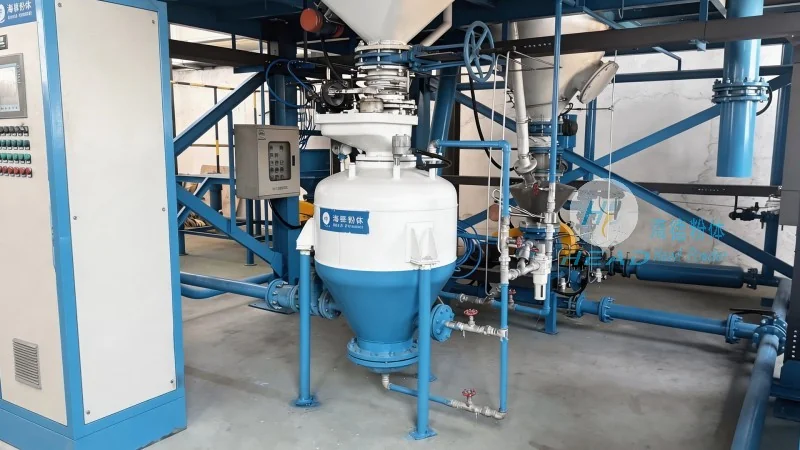
- Particle Suspension: The compressed air creates a turbulent flow that suspends the coal ash particles in the air stream. The velocity of the air must be sufficient to overcome the gravitational force acting on the particles, ensuring they remain in suspension and do not settle.
- Pressure Drop Management: The system is designed to manage the pressure drop along the pipe network. The pressure drop is influenced by factors such as pipe length, diameter, particle size, and flow rate. Proper design minimizes energy consumption while maintaining the required flow velocity.
- Energy Efficiency: The conveying line is optimized for energy efficiency by using appropriate air pressure and flow rates. Advanced control systems adjust these parameters in real-time to reduce energy consumption and lower operational costs.
- Dust Control: The system incorporates dust control measures to prevent emissions into the environment. This includes sealed pipe connections, proper sealing of equipment, and the use of filtration systems at the discharge end.
Advantages of the Coal Ash Powder Conveying Line
The coal ash powder conveying line offers several advantages over traditional methods of coal ash transport, such as trucking or bucket elevators. These advantages include:




