

Operation Process and Working Principle of Slurry and Powder Conveying Systems
Slurry and powder conveying systems are essential industrial equipment designed to transport bulk materials such as slurries, powders, and granules between different locations. These systems are widely utilized across sectors including mining, construction, chemical processing, and food production, where efficient material handling is critical for operational productivity and cost-effectiveness. The operation process and working principle of these systems involve a series of interconnected steps and components that work together to ensure reliable and safe material transport.
Core Components of the Conveying System
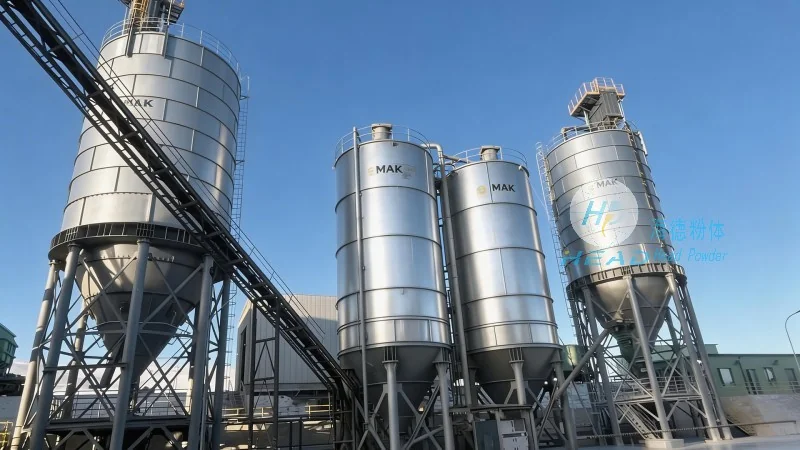
The slurry and powder conveying system typically comprises several key components that enable the material transport process. These components include feed hoppers, conveyors (e.g., screw conveyors, pneumatic conveyors), control valves, and discharge mechanisms. Each component serves a specific function in the system's operation. Feed hoppers are used to store and regulate the input of materials, ensuring a consistent supply to the conveyor. Conveyors provide the primary means of transporting the material through the system, with screw conveyors using rotating augers to push material forward and pneumatic systems utilizing compressed air to create a flow. Control valves and discharge mechanisms are integral for managing the flow rate and direction of the material, allowing for adjustments based on operational requirements.
Step-by-Step Operation Process
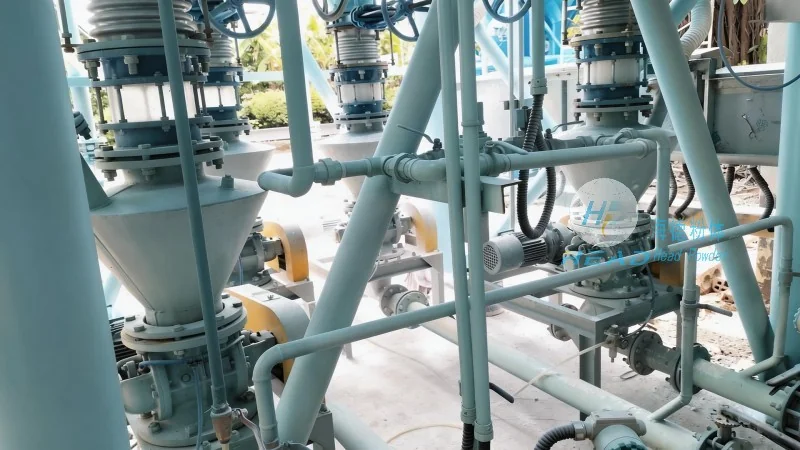
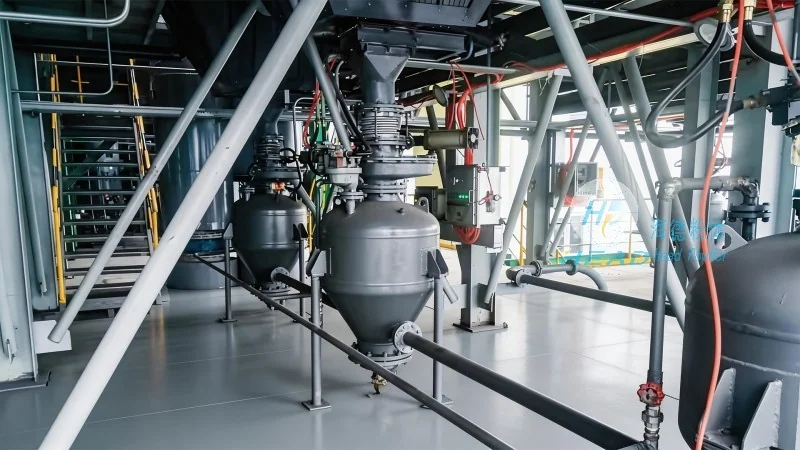
The operation process of a slurry and powder conveying system begins with material loading into the feed hopper. The hopper is engineered to hold an adequate quantity of material, providing a steady feed to the conveyor. Once loaded, the system initiates the conveying process. In screw conveyor systems, the rotating screw (auger) applies mechanical force to push the material along the conveyor tube. The speed of the screw can be adjusted to control the flow rate, preventing blockages and ensuring consistent delivery. For pneumatic conveyors, compressed air is introduced into the pipeline, creating a pressure differential that transports the material. The system may also incorporate cyclone separators or filters to separate air from the material, ensuring the discharged material is clean and free of contaminants.
Working Principle: Material Transfer Mechanics
The working principle of slurry and powder conveying systems is rooted in the physical properties of the materials being handled. For slurries, which are mixtures of solid particles suspended in a liquid, the system leverages a combination of gravity and mechanical force to move the material. The conveyor's configuration—such as inclined or horizontal setups—affects the flow characteristics of the slurry. In powder conveying, the system may rely on air pressure or mechanical force to move dry materials. The choice of conveying method depends on factors like material density, moisture content, and particle size. High-density powders often require robust mechanical conveyors, while lighter powders can be effectively transported using pneumatic systems.
Advantages of Implementing Conveying Systems
Adopting slurry and powder conveying systems offers significant advantages for industrial operations. One primary benefit is the reduction in manual handling labor, as these systems automate the bulk material transport process. This not only lowers labor costs but also minimizes material loss and contamination, preserving the integrity of the material throughout transport. Additionally, the systems can be integrated with automation and control technologies, enabling real-time monitoring and adjustment of conveying parameters. This integration enhances operational flexibility and ensures the system operates within optimal conditions, leading to improved productivity and reduced downtime.
Industrial Application Examples
Slurry and powder conveying systems are applied in diverse industrial settings, demonstrating their adaptability. In mining operations, these systems transport ore and tailings from processing plants to storage or disposal sites, maintaining continuous material flow critical for mining efficiency. In construction, they deliver cement, sand, and other building materials to job sites, ensuring timely and accurate material delivery. In chemical processing, the systems move powders and slurries between mixing, drying, and packaging stages, supporting consistent product quality and meeting production targets. The reliability of these systems in handling bulk materials is essential for the smooth operation of these industrial processes.
Maintenance and Operational Best Practices
Proper maintenance and operational practices are vital for the longevity and efficiency of slurry and powder conveying systems. Regular inspection of components such as conveyors, bearings, and seals is necessary to prevent wear and tear, which can cause system failures. The system should be cleaned regularly to remove accumulated material, avoiding blockages and maintaining performance. Monitoring performance parameters like flow rate and pressure helps identify potential issues early. Training operators on system operation and maintenance is also crucial for safe and efficient use. By adhering to these practices, industrial facilities can maximize the lifespan of their conveying systems and sustain optimal operational performance.
Conclusion: The Role of Reliable Conveying Systems
In summary, slurry and powder conveying systems are indispensable in modern industrial operations, providing efficient and reliable means of transporting bulk materials. The operation process and working principle of these systems are tailored to handle various material types and conditions, ensuring safe and effective transport. Understanding the key components, operation steps, and working principles of these systems enables industrial facilities to make informed decisions about their material handling strategies. The implementation of such systems not only boosts operational efficiency but also enhances safety and reduces costs, making them a valuable investment for any industrial operation. As technology advances, the design and functionality of these systems are likely to improve further, solidifying their role in industrial applications.