

Principle and Working Scene Characteristics of Pneumatic Conveying System for Polyethylene Pellet Ma
HeadPowder, a leading engineering firm based in Shandong, China, specializes in the design and implementation of advanced pneumatic conveying systems tailored for polyethylene pellet materials. This article delves into the fundamental principles of such systems and highlights the key characteristics of their operational environments.
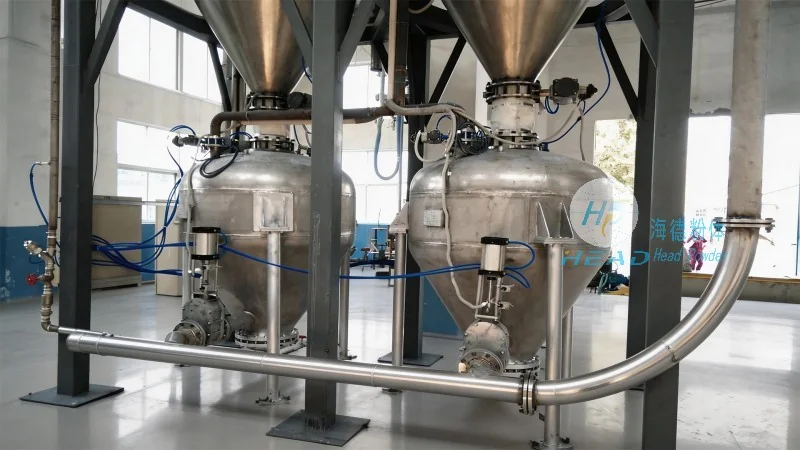
The Principle of Pneumatic Conveying Systems
Pneumatic conveying systems utilize air or gas as the primary medium to transport bulk materials like polyethylene pellets from one location to another. The core mechanism involves creating a pressure differential between the inlet and outlet of the conveying line. In a typical system, a blower or compressor generates the necessary airflow, which then draws or pushes the pellets through the pipeline. The system can operate under either positive pressure (where air is forced through the line) or negative pressure (where air is exhausted from the line). For polyethylene pellets, positive pressure systems are commonly preferred due to their ability to handle abrasive materials and maintain consistent flow rates. The design of the system, including the type of airlocks, cyclones, and pipeline configuration, is crucial for ensuring efficient and reliable material transport. HeadPowder engineers meticulously calculate the air velocity, pressure drop, and material flow rate to optimize system performance and minimize energy consumption.
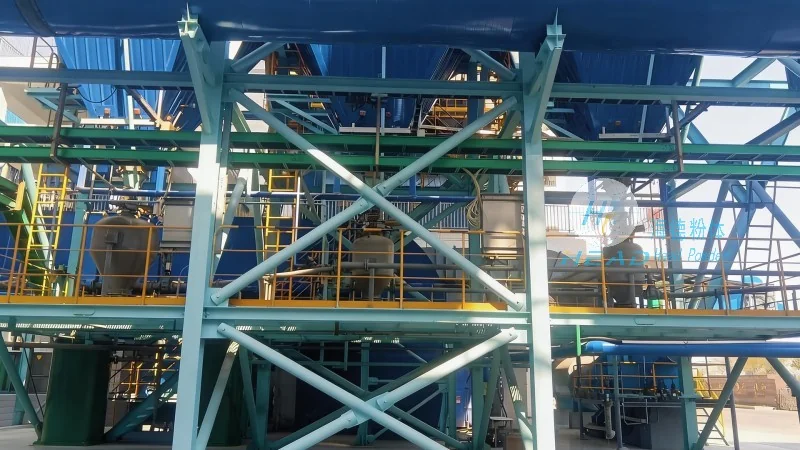
Working Scene Characteristics of Pneumatic Conveying Systems
The operational environments for polyethylene pellet pneumatic conveying systems vary significantly based on the application and industry requirements. These systems are widely used in manufacturing facilities, such as plastic processing plants, where polyethylene pellets are transported from storage silos to processing equipment like extruders or injection molding machines. The key characteristics of these working scenes include high material throughput, often requiring continuous operation to meet production demands. Additionally, the systems must be designed to handle varying pellet sizes and moisture content, as these factors can impact the conveying efficiency. In industrial settings, the systems are typically integrated with other processing equipment, necessitating seamless coordination to avoid material buildup or blockages. HeadPowder's expertise lies in tailoring the system design to specific working conditions, ensuring that the equipment operates within the optimal parameters for the given application. For example, in a petrochemical plant, the system may need to handle large volumes of pellets while maintaining strict safety standards to prevent dust explosions. The working scene characteristics also include considerations for space constraints, as many manufacturing facilities have limited room for large conveying equipment. HeadPowder's modular and compact system designs address these challenges, allowing for flexible installation in various industrial settings.
Advantages and Applications in Industrial Settings
Pneumatic conveying systems for polyethylene pellets offer several advantages over traditional mechanical conveying methods. One of the primary benefits is the ability to transport materials over long distances without the need for multiple transfer points or elevators. This reduces the risk of material contamination and improves overall system reliability. Additionally, the systems are highly adaptable to different material properties, making them suitable for a wide range of polyethylene grades and formulations. The use of air as the conveying medium also allows for gentle handling of the pellets, minimizing product degradation and ensuring consistent quality. HeadPowder's systems are designed to handle both dry and slightly wet polyethylene pellets, providing flexibility in material processing. In terms of applications, these systems are commonly used in the production of plastic products, including packaging materials, automotive components, and consumer goods. The systems can be integrated into existing production lines or serve as standalone solutions for material transport. The key is to ensure that the system design aligns with the specific requirements of the application, such as the required throughput, material characteristics, and operational environment. HeadPowder's engineers work closely with clients to understand their unique needs and develop customized solutions that maximize efficiency and minimize operational costs.
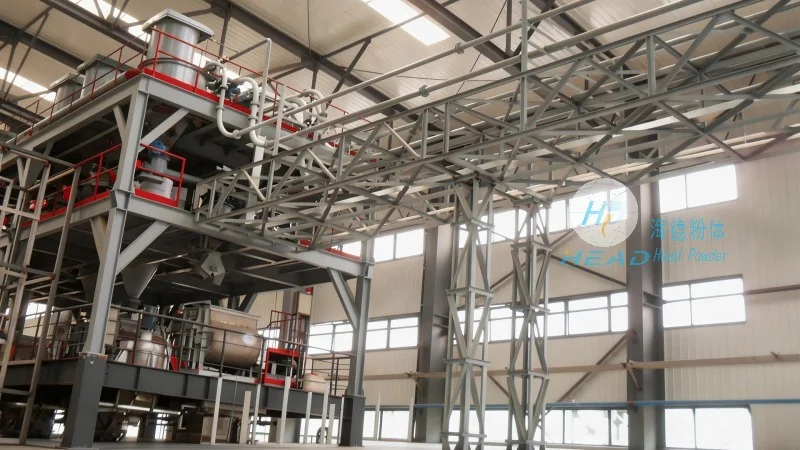
About HeadPowder Engineering
HeadPowder Engineering Co., Ltd., headquartered in Shandong, China, is a reputable company specializing in the engineering, manufacturing, and installation of pneumatic conveying systems for various bulk materials. With a strong focus on innovation and customer satisfaction, HeadPowder has built a reputation for delivering high-quality, reliable systems that meet the demanding requirements of modern industrial applications. The company's team of experienced engineers and technicians brings extensive knowledge in material handling and process optimization, enabling them to design and implement systems that enhance productivity and reduce operational costs. HeadPowder's commitment to quality is reflected in its adherence to international standards and rigorous testing protocols, ensuring that each system is built to withstand the rigors of industrial use. The company's presence in Shandong, China, allows it to leverage local resources and expertise while maintaining a global perspective on market trends and technological advancements. As a trusted partner in the material handling industry, HeadPowder continues to provide cutting-edge solutions that address the evolving needs of its clients.