Zinc oxide is a vital industrial material utilized across sectors like rubber manufacturing, pharmaceuticals, and ceramics. Efficient and safe material handling is paramount when dealing with zinc oxide, as its fine particle size and hygroscopic properties demand specialized conveying solutions. Traditional methods such as belt or screw conveyors often fall short, presenting challenges like dust generation, material degradation, and operational inefficiencies. This article examines common zinc oxide conveying approaches and highlights the superior benefits of HeadPowder's pneumatic conveying systems.
Traditional Conveying Methods and Their Limitations
Belt conveyors, while common in bulk material transport, struggle with zinc oxide due to friction and material buildup, leading to increased wear and potential contamination. Screw conveyors, though suitable for some materials, may compromise the integrity of zinc oxide particles, especially under high-volume or variable particle size conditions. These conventional systems also require frequent maintenance and cleaning to prevent dust accumulation and ensure workplace safety. For industries requiring high purity and consistent flow, traditional methods often fail to meet these stringent demands.
Pneumatic Conveying: A Superior Solution for Zinc Oxide Handling
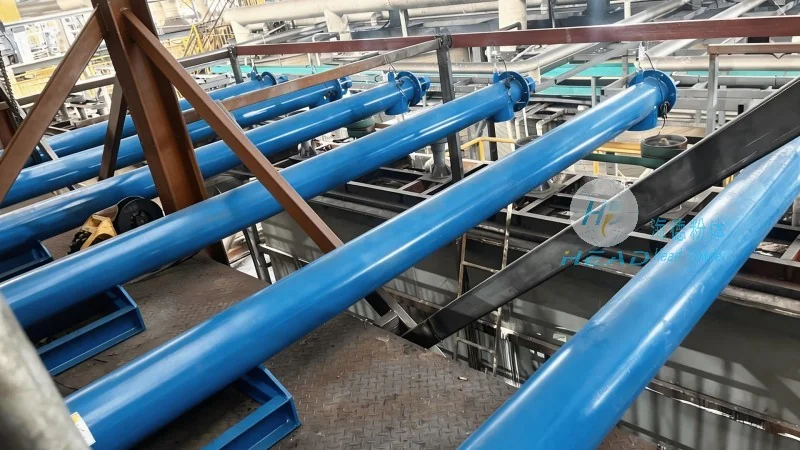
HeadPowder, a leading provider of specialized material handling solutions, offers advanced pneumatic conveying systems specifically designed for zinc oxide applications. Pneumatic conveying utilizes air or gas to transport bulk materials through a pipeline, eliminating mechanical components that can cause wear or contamination. This method is particularly advantageous for zinc oxide as it maintains material purity, reduces dust exposure, and ensures consistent flow rates. The HeadPowder pneumatic conveying system is engineered with precision to handle the unique characteristics of zinc oxide, providing a reliable and efficient solution for industrial applications.
Key Features of HeadPowder's Pneumatic Conveying System
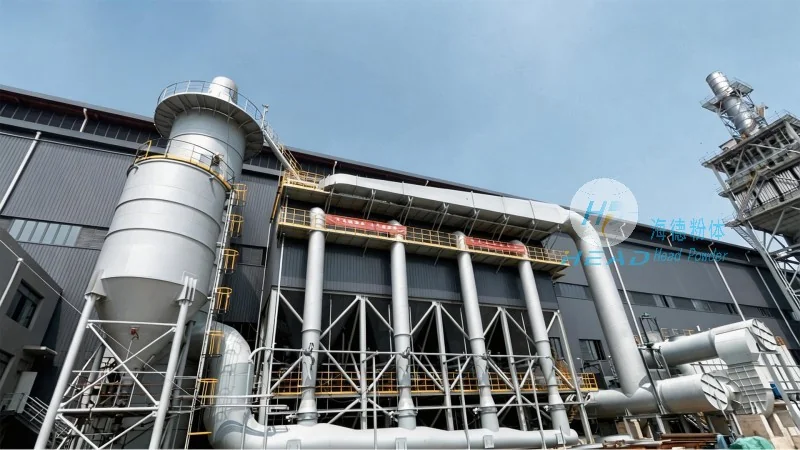
HeadPowder's pneumatic conveying solutions are constructed using high-quality materials, including stainless steel and corrosion-resistant alloys, to withstand the chemical properties of zinc oxide and ensure long-term durability. The system incorporates advanced control technologies, such as variable frequency drives and pressure sensors, to optimize airflow and maintain consistent material transport. Additionally, the design includes dust collection and filtration systems to comply with environmental regulations and enhance workplace safety. These features collectively contribute to a reliable conveying process that meets the stringent requirements of zinc oxide handling.
Customization and Application Flexibility
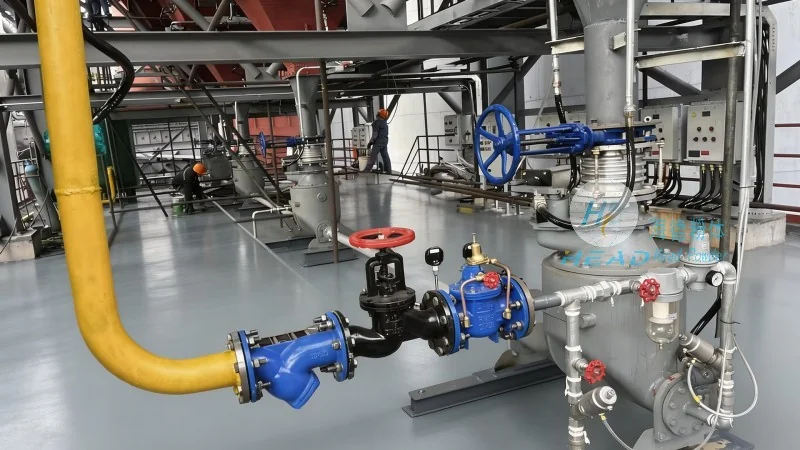
HeadPowder understands that each zinc oxide application has unique requirements. Therefore, their pneumatic conveying systems are customizable to accommodate different particle sizes, flow rates, and operational environments. Whether for small-scale laboratory use or large-scale industrial production, the system can be tailored to fit specific needs. The company's engineering team works closely with clients to assess their conveying challenges and develop a solution that maximizes performance and minimizes downtime. This approach ensures that the final system is not only efficient but also cost-effective and sustainable.
Conclusion: Choosing the Right Conveying Method for Zinc Oxide
When evaluating the best conveying method for zinc oxide, it is essential to consider the advantages and limitations of each option. Traditional methods may be suitable for some applications, but for industries demanding high purity and operational efficiency, pneumatic conveying emerges as the superior choice. HeadPowder's expertise in designing and manufacturing pneumatic conveying systems for zinc oxide provides a reliable solution that addresses the unique challenges of handling this material. By leveraging advanced technology and customized solutions, HeadPowder helps clients achieve optimal performance and safety in their zinc oxide conveying processes.




