Graphite powder, a critical material in various industrial applications, requires efficient and reliable conveying methods to ensure smooth production processes. The choice of conveying method significantly impacts operational efficiency, material integrity, and overall system performance. This article explores common graphite powder conveying methods and highlights the advantages of HeadPowder's pneumatic conveying solutions, a leading provider in the field.
Understanding Graphite Powder Conveying Methods
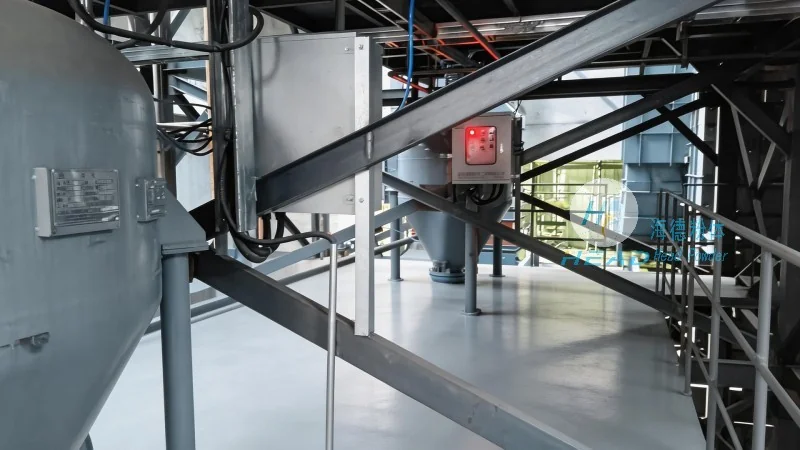
Before delving into specific solutions, it is essential to understand the primary methods used for transporting graphite powder. These methods vary based on material properties, application requirements, and operational constraints. The most common approaches include gravity conveying, mechanical conveying, and pneumatic conveying. Each method has its strengths and limitations, making the selection process crucial for optimizing industrial processes.
Gravity Conveying: A Traditional Approach
Gravity conveying relies on the natural force of gravity to move graphite powder from one point to another. This method typically involves inclined chutes or hoppers that allow the material to flow downward under its own weight. While simple and low-cost, gravity conveying has significant limitations, especially for fine powders like graphite. Fine particles tend to stick to surfaces, leading to uneven flow and potential blockages. Additionally, the method is unsuitable for vertical or horizontal distances that exceed the material's natural flow characteristics. For many industrial applications, gravity conveying is not a viable option due to its inefficiency and inability to handle large volumes or long distances.
Mechanical Conveying: Robust and Versatile
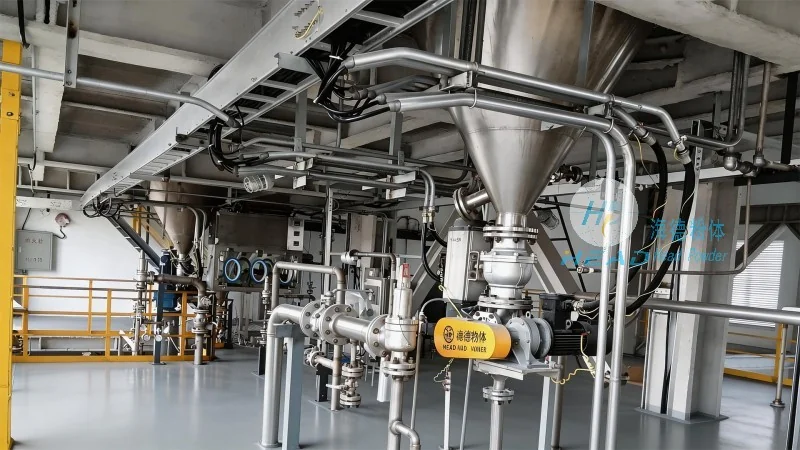
Mechanical conveying systems, such as screw conveyors, belt conveyors, and bucket elevators, offer a more robust solution for graphite powder transport. These systems use mechanical components to move the material, providing better control over flow rates and direction. Screw conveyors, for instance, are widely used for horizontal or slight incline transport, while bucket elevators are ideal for vertical lifting. Mechanical conveying is generally more reliable than gravity systems, as it can handle a wider range of particle sizes and moisture content. However, it also has drawbacks, including higher maintenance costs, potential material degradation from friction, and the need for regular cleaning to prevent clogging. Moreover, mechanical systems are often bulky and require significant space, which may not be feasible in compact industrial settings.
Pneumatic Conveying: The Advanced Solution
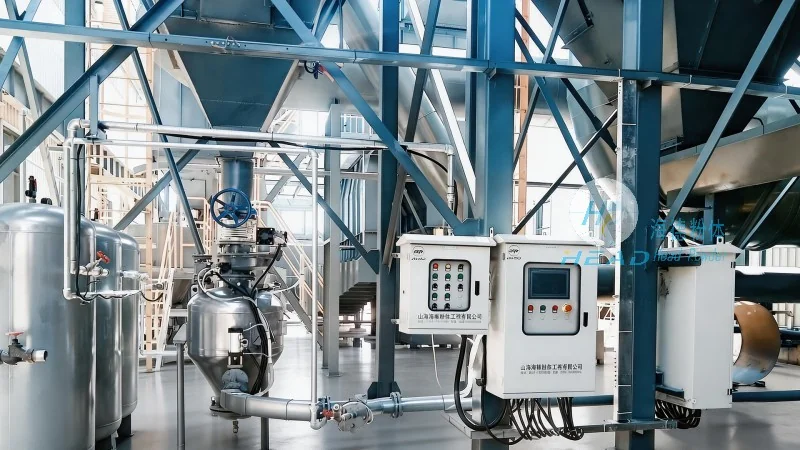
Pneumatic conveying, also known as air conveying, uses compressed air to transport graphite powder through a pipeline. This method is particularly effective for fine powders, as it minimizes material degradation and ensures consistent flow. There are two main types of pneumatic conveying: pressure and vacuum systems. Pressure systems use compressed air to push the material through the pipeline, while vacuum systems use a vacuum to pull the material. Both methods offer advantages, but pressure systems are generally more suitable for long-distance and high-volume transport due to their higher efficiency and lower energy consumption.
HeadPowder's Pneumatic Conveying Advantages
HeadPowder, a renowned manufacturer of graphite powder processing equipment, has developed advanced pneumatic conveying systems tailored to the unique needs of graphite powder. The company's solutions are designed to address the challenges associated with traditional conveying methods, providing superior performance and reliability. Key advantages of HeadPowder's pneumatic conveying systems include:




